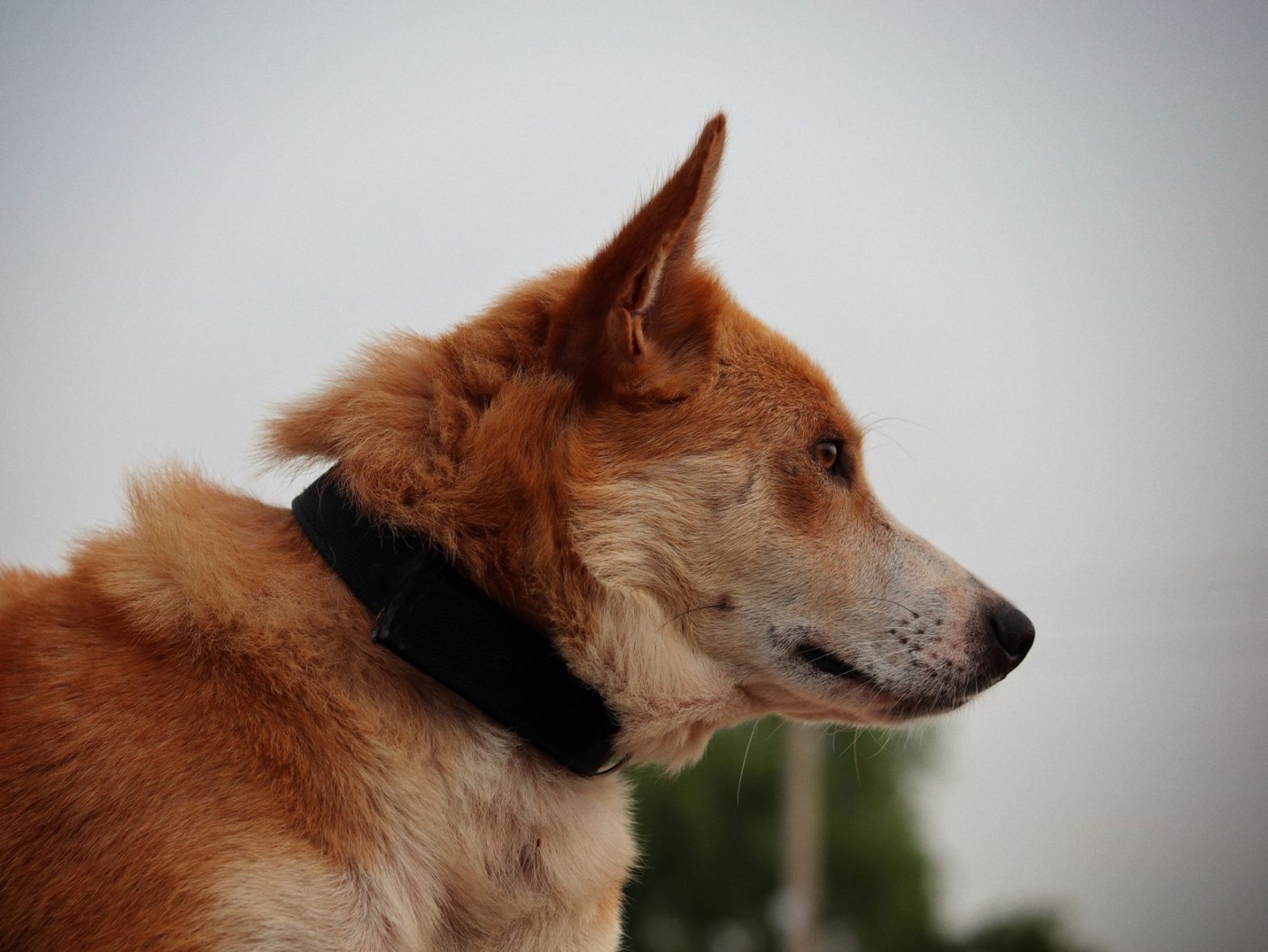
A dog collar is a critical tool for daily management, identification, and safety, requiring a balance of proper fit, durable materials, and specific features tailored to your dog’s lifestyle. Getting it wrong can lead to skin irritation, escape risks, or ineffective leash control during your walks.
⚡ In a Rush? Key Takeaways
- A properly fitted collar should have 2 fingers of space between the collar and your dog’s neck.
- Check your dog’s neck size every 3 months, as weight changes can render old collars dangerous.
- Martingale collars reduce escape risk for sighthounds by up to 90% compared to flat buckles.
- Leather collars last 2-3 years longer than nylon but require monthly conditioning for suppleness.
- ✅ Use a flat buckle for daily wear and a harness for walking reactive or pulling breeds.
How Do You Choose the Best Dog Collar Material?
Choosing between nylon, leather, or biothane depends on your dog’s activity level, swimming habits, and personal skin sensitivity.
Why Is Nylon the Most Popular Choice?
Nylon collars are lightweight, inexpensive, and available in hundreds of colors, making them perfect for daily identification tags.
Nylon is the industry standard because it handles machine washing well and doesn’t break the bank. If your dog enjoys the occasional puddle or mud bath, a quick toss in the laundry keeps things hygienic.
- Budget-friendly pricing
- Thousands of pattern options
- Machine washable and quick-drying
- Can cause matting on long-haired breeds
Is Leather Better for Sensitive Skin?
Genuine leather collars provide superior comfort for dogs with fur breakage, though they require regular maintenance to last.
Leather is naturally softer than synthetic weaves, which is a huge benefit if your dog has experienced chafing. However, leather can smell if left wet, so skip this for dogs who live in the lake.
What Are the Advantages of Biothane?
Biothane is a waterproof, odor-proof, and extremely durable coated webbing that outlasts both leather and nylon in wet weather.
If your dog is an adventure hound, Biothane is the gold standard in 2026. It won’t absorb water or stink, making it my favorite choice for dogs who visit the beach regularly.
How Do You Properly Fit a Dog Collar?
A secure collar fit prevents accidental escapes while ensuring your dog can breathe and swallow comfortably during their daily life.
What Is the Two-Finger Rule for Collars?
The two-finger rule requires you to slide two fingers beneath the collar comfortably, ensuring it is not too tight nor too loose.
This simple measurement is the most reliable way to check for comfort. If you can’t fit your fingers in, the collar is too tight and risks restricting airflow.
When Should You Adjust Your Dog’s Collar?
Check your dog’s collar fit every three months or after any significant change in their weight to prevent serious neck injury.
Puppies grow at incredible speeds, sometimes requiring new gear every month. For adults, seasonal weight shifts or coat density changes mean the fit you set in winter might be dangerous by summer.
Which Collar Style Fits Your Dog’s Needs?
Different collar designs serve specific functions, ranging from basic identification to managing complex behavioral issues on walks.
What Is a Martingale Collar?
Martingale collars provide a limited-slip action that prevents dogs with narrow heads from backing out of their gear entirely.
I recommend these for sighthounds and rescue dogs who are prone to panic-backing during walks. They are much safer than standard flat collars for escape artists.
When Should You Use a Head Halter?
Head halters offer steering control for powerful pullers, though they require careful introduction to avoid causing your dog stress.
These should never be used as a punishment tool. If you are struggling with a strong dog, consider looking into our no-pull harness guide to see if a chest-clip alternative is a better fit.
What Is a Standard Flat Collar?
The flat buckle collar is the basic choice for holding identification tags and remains the safest option for dogs who do not pull.
Keep in mind that if your dog tends to pull, the pressure on a flat collar can contribute to thyroid issues. If you notice persistent pulling, pair your flat collar with a high-quality walking harness.
Frequently Asked Questions
-
Should dogs wear collars inside the house?
Most trainers suggest removing collars inside to prevent snagging on furniture, crates, or other pets during unsupervised play.
-
Do collars cause hair loss in dogs?
Prolonged friction from a heavy or poorly fitted collar can cause hair loss, especially in double-coated or long-haired breeds.
-
Are breakaway collars safe for dogs?
Breakaway collars are designed for safety if a collar gets caught, though they are not suitable for attaching a walking leash.
Are Reflective or LED Collars Worth It for Night Safety?
Reflective strips or built‑in LED lights increase visibility during low‑light walks, reducing the risk of accidents.
Reflective collars use 3M or similar tape that shines when hit by car headlights, providing passive safety without batteries. They are ideal for suburban evening strolls and are usually inexpensive.
LED collars, on the other hand, emit steady or flashing light and are powered by replaceable coin cells or USB‑rechargeable packs. They work best in rural areas with no street lighting, and many models offer multiple modes (steady, slow flash, fast flash) and waterproof ratings.