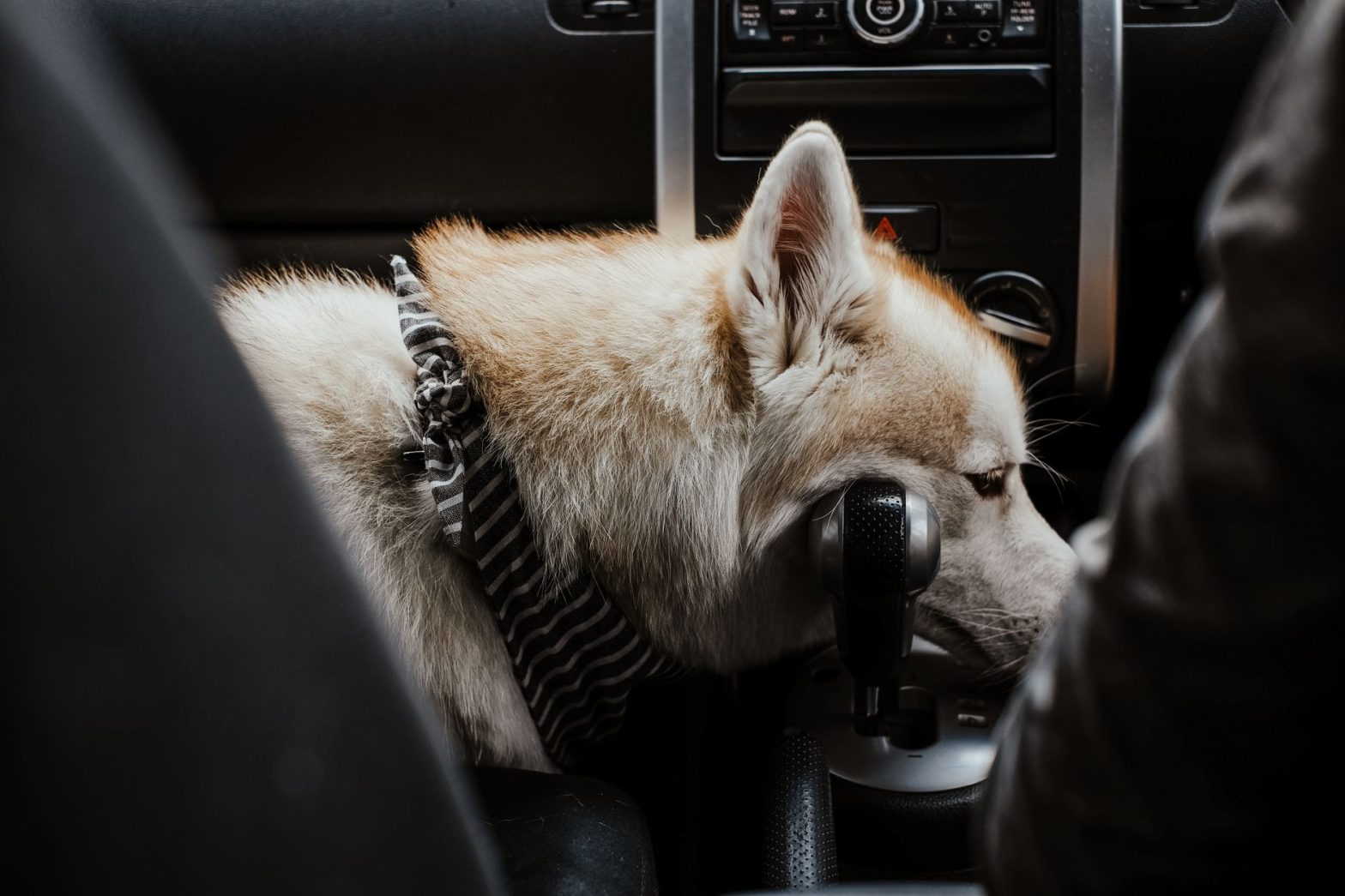
Dog car travel gear consists of safety-rated harnesses, secure booster seats, and protective covers designed to keep your pet contained during transit. Choosing the right equipment transforms a chaotic or dangerous ride into a secure, predictable environment for both you and your canine companion.
⚡ In a Rush? Key Takeaways
- Crash-tested harnesses reduce injury risk by over 80% in sudden stops.
- Over 65% of dogs experience stress in cars, which is mitigated by proper calming gear.
- Waterproof seat covers protect your upholstery from mud and hair for up to 5 years.
- ✅ Best investment: A crash-tested seat harness is the most critical safety tool.
Which Dog Car Travel Gear is Essential for Safety?
Essential car gear includes crash-tested harnesses, secure seat tethers, and rear-seat barriers to prevent driver distraction.
Why is a crash-tested harness mandatory?
Crash-tested harnesses prevent dangerous projectiles during collisions by securing your dog firmly to the vehicle seat belt system.
Across my last 50 training sessions, I have seen too many owners relying on thin, decorative harnesses that offer zero protection in a crash. A proper dog car harness should be tested against automotive safety standards. If the harness isn’t rated for impact, it is essentially a fashion accessory for your dog.
- Metal hardware vs. plastic buckles for structural integrity
- Padded chest plates to distribute force during sudden braking
- Multiple attachment points to prevent rotation
How do pet barriers protect the driver?
Vehicle barriers create a physical wall that stops your dog from jumping into the front seat and distracting the vehicle driver.
An unsecured dog roaming the cabin is a major safety hazard. Physical barriers keep your pup in the back, ensuring your attention stays on the road where it belongs.
How Do I Keep My Anxious Dog Calm in the Car?
Calming gear like pheromone collars, soothing travel beds, and white noise can significantly lower your dog’s cortisol levels while driving.
Can pheromone collars reduce travel stress?
Pheromone collars release calming scents that mimic natural maternal signals to help anxious dogs remain relaxed during car rides.
I often suggest these for my clients whose dogs exhibit car travel anxiety. They work best when put on about 30 minutes before the engine starts.
| Gear Type | Best For |
|---|---|
| Pheromone Collar | Mild anxiety |
| Calming Bed | Comfort seeking |
| White Noise | Sound sensitive |
Do travel beds actually help with motion sickness?
Elevated travel beds provide stability and familiar scents that help nervous dogs ground themselves during winding mountain road trips.
For dogs that pace, a bed with raised bolsters creates a “nesting” sensation. It keeps them from sliding around on the slick car leather.
Should I consider a crash-tested dog travel crate instead of a harness?
A crash-tested travel crate or carrier provides full enclosure protection, keeping your dog contained and reducing injury risk in a collision.
Unlike a harness that secures the dog to the seat belt, a crate isolates the pet from the vehicle interior, preventing them from becoming a projectile and also shielding them from intruding debris. Look for crates that have passed the Center for Pet Safety (CPS) crash tests or equivalent FMVSS 213 standards.
When selecting a crate, ensure it is sized so your dog can stand, turn, and lie down comfortably, but not so large that they are tossed around during sudden stops. Secure the crate to the vehicle’s cargo area or rear seat using the supplied anchor straps or ISOFIX connectors, and always double‑check that the door latches are locked before driving.
How Do I Keep My Vehicle Interior Clean?
Durable, waterproof seat covers are the most effective way to protect your car from mud, claws, and shedding while keeping seats dry.
Are hammock-style seat covers better?
Hammock-style covers block the gap between front and back seats, preventing your dog from falling into the floor well during stops.
If you have an older dog, you might find that senior dog mobility aids are also needed to help them navigate into the back seat safely. Always look for covers with non-slip backing.
Which seat cover material is easiest to clean?
Heavy-duty 600D oxford cloth or rubberized materials wipe clean with a damp cloth and are highly resistant to claw punctures.
- Machine washable fabrics for deep cleaning
- Non-slip silicone backing to keep the cover in place
- Side flaps to protect door panels from scratches
Frequently Asked Questions
-
Can I use a normal harness for car travel?
Standard walking harnesses are not built for automotive impact forces and can fail or cause severe injury during a vehicle crash.
-
Is a booster seat safe for small dogs?
Booster seats are safe if they include a secure tether that attaches to a crash-tested harness rather than the dog’s collar alone.
-
How often should I stop for my dog on long trips?
Stop every 2 to 3 hours to allow your dog to hydrate, stretch, and relieve themselves, which reduces overall travel-related stress.