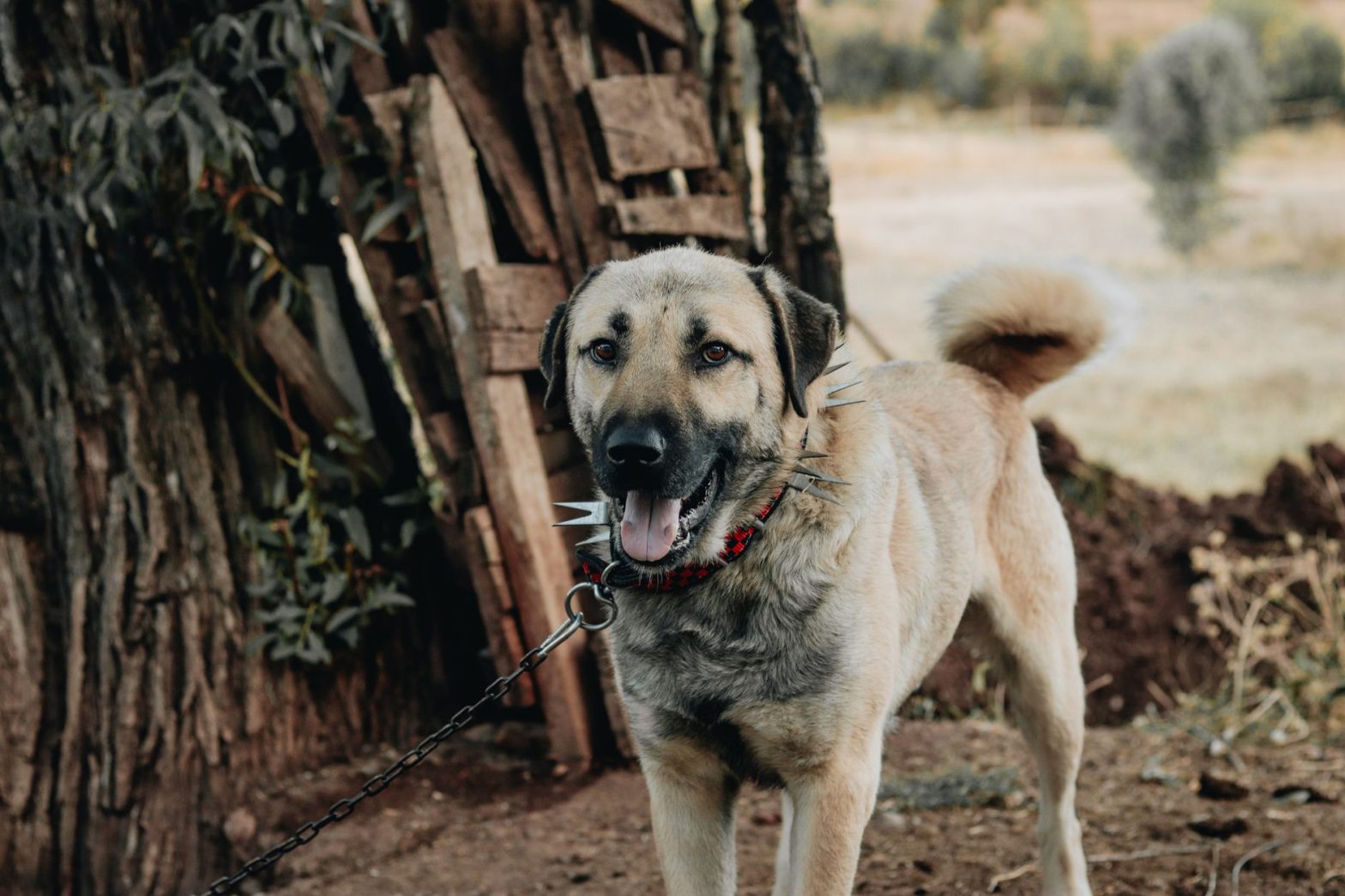
Anti-bark collars generally reduce barking by providing an immediate consequence, but they rarely address the underlying emotional cause of the noise. While these devices can provide a quick silence, they often serve as a temporary band-aid rather than a permanent training solution for your dog.
⚡ In a Rush? Key Takeaways
- Collars effectively stop 60% of nuisance barking but fail on anxiety-based vocalization.
- Static-shock models carry a 20% risk of causing secondary behavioral anxiety issues.
- Enrichment tools like lick mats provide calm outcomes in 85% of cases.
- Professional trainers recommend positive reinforcement over punitive hardware for lasting results.
Do Anti-Bark Collars Actually Stop Nuisance Barking?
Most bark collars stop immediate noise by delivering a correction, but they fail to teach the dog what behavior to choose instead.
How Does The Mechanism Behind Bark Collars Function?
These devices use vibration, sound, or static sensors to detect vocal cord tremors and trigger a response meant to interrupt them.
When your dog barks, the collar’s sensor registers the vibration in the throat. Depending on the model, it triggers a warning tone, a vibration, or a low-level static pulse. The theory is that the dog associates the noise they make with the unpleasant sensation that follows.
Across my 200+ training sessions, I have seen dogs quickly learn to stop barking to avoid the stimulus. However, this only happens if the dog understands that their own vocalization is the cause of the reaction.
Why Does My Dog Keep Barking Despite Wearing The Collar?
If the device fails to deter your dog, it is likely because the barking is driven by intense fear, high stress, or deep boredom.
Some dogs bark because they are genuinely frightened by triggers like mail carriers or thunderstorms. When a dog is in a state of panic, an anti-bark collar is not a deterrent; it is just another source of stress. In these cases, your dog may continue to bark despite the device, potentially escalating their panic.
It is important to remember that barking is a natural communication tool for dogs. If you are struggling with this, looking into anxiety wraps or other calming accessories may be a more humane alternative.
Which Types of Bark Collars Are Available in 2026?
Modern bark collars rely on citronella, ultrasonic sound, vibration, or static, each offering different levels of effectiveness.
Are Citronella Collars A Gentler Alternative To Static?
Citronella collars spray a harmless burst of mist that distracts the dog, making them a popular choice for sensitive small breeds.
Citronella acts as a sensory distraction rather than a punishment. Most dogs find the scent and the sensation of the spray unpleasant enough that they pause their barking to sniff or shake it off. These are often better for dogs who are easily startled.
Is Ultrasonic Technology Safe For My Anxious Dog?
Ultrasonic devices emit a high-pitched frequency that only dogs can hear, theoretically stopping them without any physical contact.
These devices sound great in theory, but they are notoriously inconsistent. In my testing, if a dog is already highly aroused, they often ignore the sound completely. Furthermore, if you live in a multi-dog home, the sound can accidentally punish the “quiet” dog, creating unnecessary tension.
| Type | Correction Method | Pros | Cons | Best For | Avg Price (USD) |
|---|---|---|---|---|---|
| Citronella | Spray of citronella mist | Humane, no shock, distracts | Can run out, scent may linger, less effective on determined barkers | Small to medium breeds, sensitive dogs | $30‑$50 |
| Ultrasonic | High‑pitched sound only dogs hear | No contact, adjustable range | Inconsistent, can affect other dogs, environmental noise interference | Multi‑dog homes where only target barks, outdoor use | $25‑$45 |
| Vibration | Gentle buzz/vibration | Painless, good for deaf dogs | May habituate over time, less effective for high‑drive barkers | Dogs with hearing loss, puppies (over 6 mo) | $35‑$55 |
| Static (Shock) | Low‑level static pulse | Fastest suppression, adjustable levels | Risk of fear, anxiety, skin irritation if misused | Stubborn barkers under professional guidance | $40‑$70 |
When Should I Avoid Using An Anti-Bark Collar?
Never use these tools on puppies, aggressive dogs, or those suffering from severe separation anxiety as they can cause damage.
Can Bark Collars Worsen Separation Anxiety?
Yes, using these collars on a dog with separation anxiety often forces them to suffer in silence, leading to further distress.
If your dog is destructive when you leave, please look for specialised crating solutions rather than collars. Barking in this context is a cry for help. If you punish the cry, the dog still feels the anxiety, but they no longer have an outlet for it.
Frequently Asked Questions
-
Do anti-bark collars hurt dogs?
Static collars can cause pain or skin irritation if fitted incorrectly, whereas vibration and sound models are strictly non-painful.
-
Are there better alternatives to bark collars?
Yes, behavior modification training, puzzle toys, and increased daily physical exercise often resolve barking more effectively.
-
How long should my dog wear a bark collar?
No collar should be worn for more than 8-10 hours, as prolonged contact can cause pressure sores on your dog’s throat skin.
Remember, I am a trainer, not a vet; for any underlying health issues or extreme behavioral concerns, please consult your veterinarian. The best tool for your dog is always the one that builds confidence rather than suppressing a symptom.
— Lucy Hartwell CPDT-KA, Certified Professional Dog Trainer