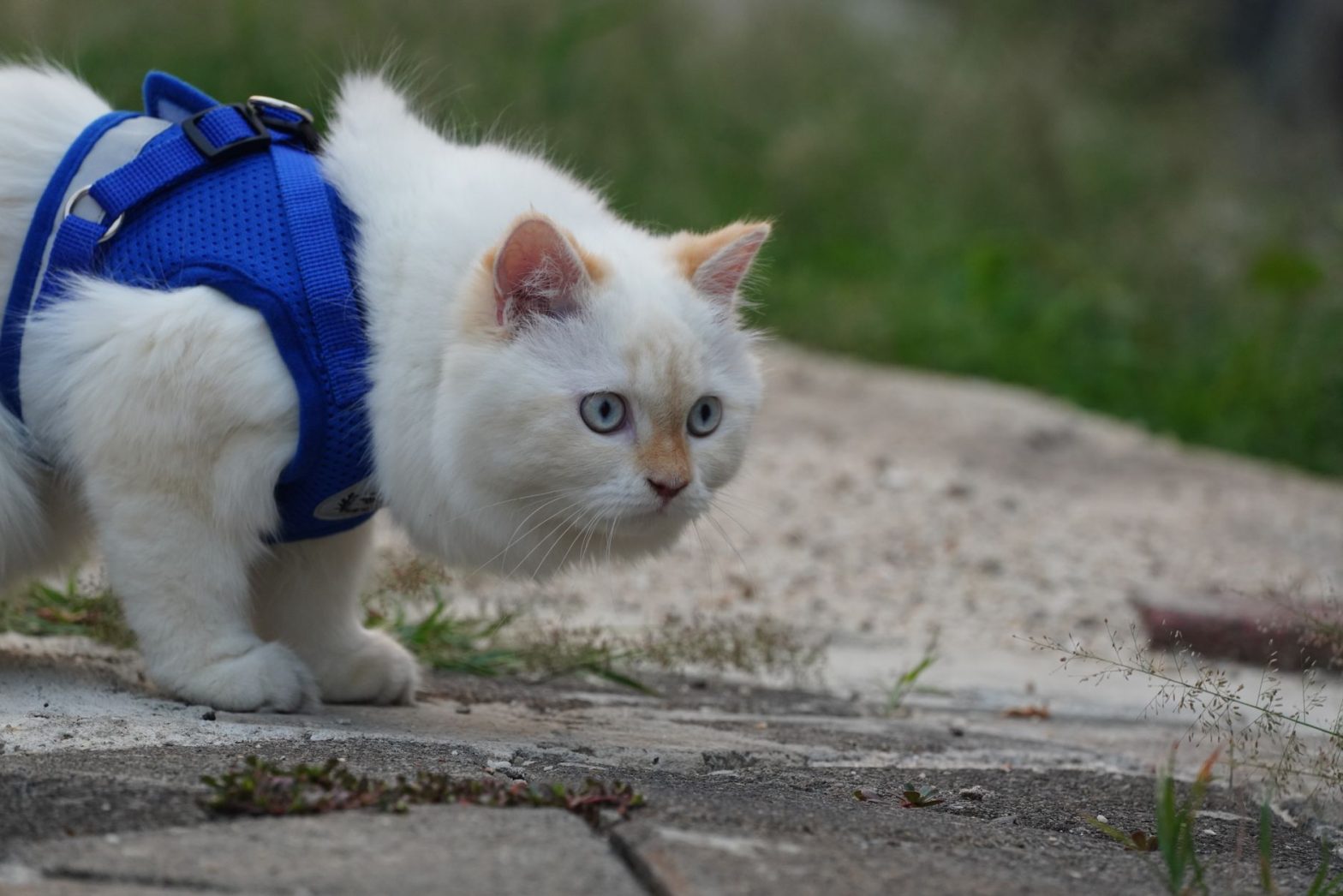
What cat safety gear is absolutely essential for your cat?
Essential cat safety gear includes a properly fitted breakaway collar, a scannable microchip, and a reflective tag for night visibility.
Cat safety isn’t one-size-fits-all, but it always starts with identification. A cat that escapes without any form of ID is significantly less likely to make it home if they become lost. I have worked with enough families to know that a simple collar can be the difference between a quick reunion and a heartbreaking search.
⚡ In a Rush? Key Takeaways
- Breakaway collars are 100% necessary to prevent strangulation accidents in cats.
- Microchips provide a permanent ID that helps shelters reunite 70% more cats with owners.
- GPS trackers for cats now weigh under 30 grams, making them safe for most adult cats.
- Supervised outdoor time via a harness is 80% safer than free-roaming for domestic cats.
- Always match your harness size to your cat’s specific measurements, not their weight.
Why should your cat only wear a breakaway collar?
Breakaway collars feature a release buckle that snaps open under tension, preventing your cat from getting stuck on fences or trees.
Many cat parents ask me why I advise against standard dog-style collars for cats. Cats are natural climbers and jumpers, which means they frequently find themselves in precarious positions where their neck could get snagged.
- Standard collars have no release mechanism, posing a major risk.
- Breakaway collars protect your cat from accidental strangulation.
- They are widely available in elastic and non-elastic styles.
- Modern versions include reflective strips for night safety.
How do microchips work with other safety gear?
Microchips are permanent, rice-sized implants that store a unique ID number, which can be read by scanners at any local animal shelter.
Think of the microchip as your cat’s permanent, digital nametag. While collars can fall off, the microchip stays with your cat for life. You can check out more details on indoor enrichment to keep them happy while you manage their safety protocols.
Which GPS trackers are best for cats in 2026?
The best GPS trackers for cats in 2026 use cellular or Bluetooth technology to provide real-time location data under 10 grams weight.
Technology has finally caught up to our needs as cat owners. Earlier GPS trackers were far too bulky for a cat’s smaller neck, but newer designs are lightweight and aerodynamic.
What should you look for in a cat GPS unit?
Look for devices with a battery life of at least three days and a weight that does not exceed five percent of your cat’s body mass.
When selecting a tracker, I always prioritise weight and battery life. If your cat is a bit of a wanderer, knowing they have a reliable signal is peace of mind that is worth every penny.
| Feature | Why It Matters |
|---|---|
| Weight | Prevents gait changes or neck strain |
| Battery | Reduces the frequency of recharging |
| Waterproof | Protects tech from rain and cat puddles |
| Range | Determines signal reliability in urban areas |
How do you introduce a GPS tracker to your cat?
Introduce the tracker by letting your cat wear the collar empty inside the house for one week before activating the GPS features.
Patience is key here, especially if you have a cat that is sensitive to anything being around their neck. If they seem bothered by the weight, it might be time to look into senior cat gear or alternative harness-mounted trackers that distribute the weight more evenly.
How do you choose a safe harness for cat walking?
Safe cat harnesses use an H-style or vest design that wraps around the chest and back to prevent escape and neck pressure.
Walking a cat on a lead is a fantastic way to offer enrichment, but it requires the right equipment. You want a harness that fits snugly without restricting shoulder movement.
Are step-in harnesses better than over-the-head styles?
Step-in harnesses are easier for anxious cats to put on because they do not require pulling tight material over the sensitive head area.
Figuring out the right size is often harder than picking the style. I always recommend measuring your cat’s girth at the widest point right behind their front legs to get the most accurate fit.
What should you avoid when buying a cat harness?
Avoid harnesses with thin, unpadded nylon straps that can dig into a cat’s skin or rub against their armpits during movement.
If you find your cat is still struggling, check out our guide on cat travel to see how we recommend securing them during transit, which often involves similar harness principles.
Frequently Asked Questions
-
Can my cat wear a harness all day?
No, a harness should only be worn during active supervised outings and removed immediately once your cat is back indoors safely.
-
Is it safe to use a retractable leash with my cat?
Retractable leashes are generally unsafe for cats because the thin cord can snap and you lack the immediate control needed in an emergency.
-
What if my cat hates wearing a collar?
If a collar causes distress, try a harness-based ID tag system that attaches to their walking gear while remaining secure during outdoor time.
Conclusion
Choosing the right safety gear is about balancing your cat’s natural independence with necessary precautions. Whether you choose a simple breakaway collar or a high-tech GPS tracker, the goal is always to keep your companion secure. Always double-check your fit and keep your cat’s microchip details updated at least once every year.
— Lucy Hartwell CPDT-KA, Certified Professional Dog Trainer