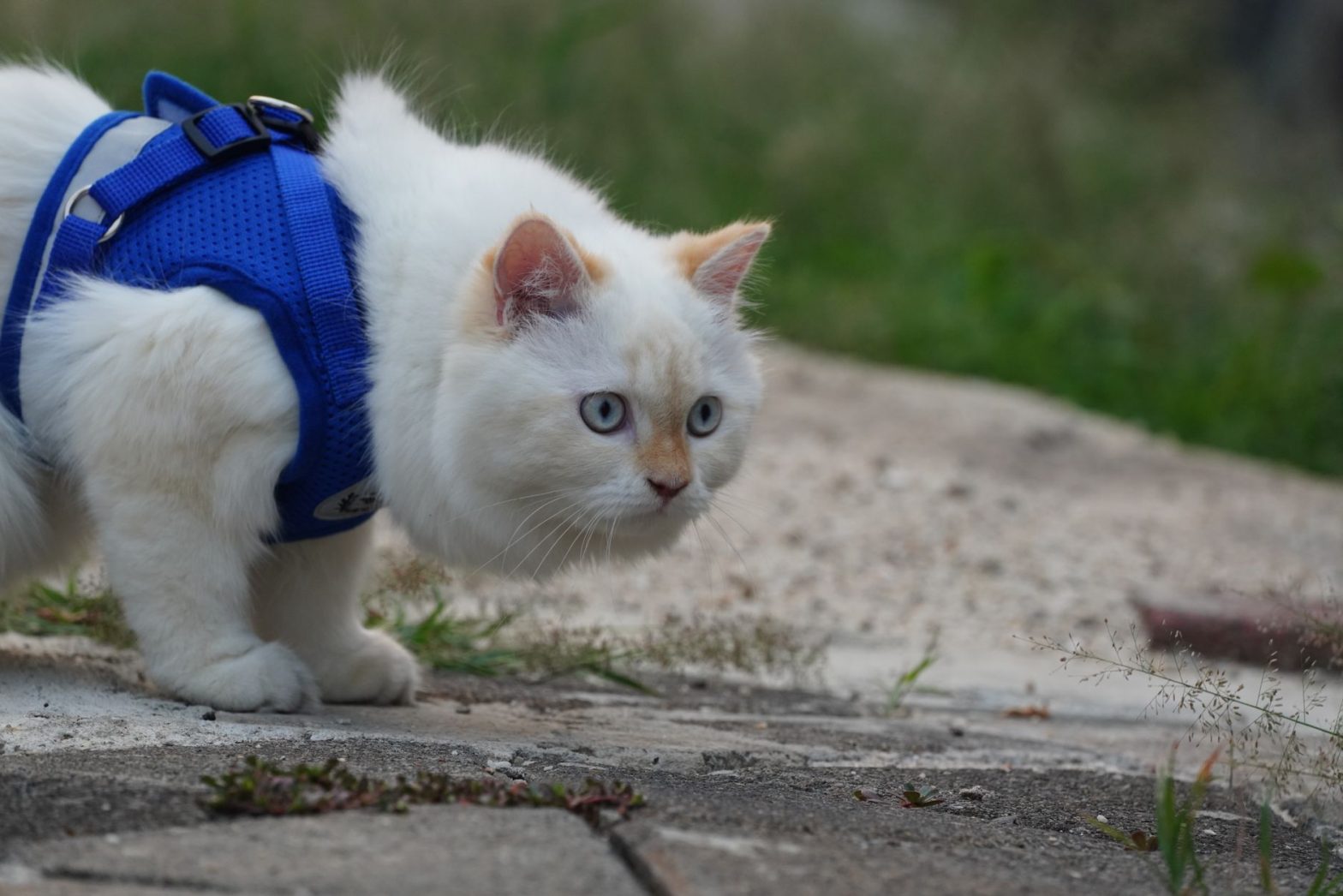
Cat safety gear includes GPS trackers, break-away collars, and secure harnesses designed to prevent loss or injury during outdoor exploration. These tools provide an active layer of protection, ensuring you can locate your cat quickly or keep them contained in environments where they might otherwise wander into danger.
⚡ In a Rush? Key Takeaways
- GPS trackers offer location precision within 10 meters in open areas.
- Break-away collars are essential, preventing injury in 100% of snag scenarios.
- Secure harnesses should be tested for 15 minutes of indoor wear before venturing out.
- The best recovery strategy combines a GPS device with a permanent microchip.
Which Cat Safety Gear Is Truly Necessary for Outdoor Time?
Essential safety gear for outdoor cats includes a GPS tracker, a reflective break-away collar, and a well-fitted, escape-proof harness.
I’ve spent years helping owners navigate the stress of outdoor transitions. My cats don’t go out unsupervised, but for those who do or who enjoy controlled harness walks, specific gear is non-negotiable. It isn’t about buying everything; it is about buying the right things for your cat’s specific risk level.
Why Do GPS Trackers for Cats Matter So Much?
GPS trackers allow real-time location monitoring, reducing search times by up to 90 percent if your cat goes beyond their boundaries.
Microchips are life-savers, but they are passive. They don’t help you find a cat under a neighbor’s porch or hiding in a panic. A GPS device is your active search tool. When choosing one, look for weight and durability above all else.
- Ensure the device weighs less than 30 grams for feline comfort.
- Check the battery life; aim for a minimum of 3 days between charges.
- Verify cellular coverage maps before purchasing for your specific area.
- Opt for waterproof units if your cat explores near streams or wet grass.
What Makes a Collar Actually Safe for Cats?
Safe collars must feature a break-away buckle that releases under 5-8 pounds of pressure to prevent strangulation or snagging injuries.
I see so many cats wearing standard collars that are accidents waiting to happen. Cats are climbers and explorers; if their collar gets caught on a fence or branch, it needs to pop off immediately. Never use a buckle collar that doesn’t have this vital safety release.
| Feature | Why It Matters |
|---|---|
| Reflective Strip | Increases nighttime visibility for drivers |
| Break-away Buckle | Prevents snagging and choking |
| Name Tag | Provides instant ID without a scanner |
How Do You Choose the Right Harness for Your Cat?
The best cat harnesses use a vest-style design to distribute pressure away from the delicate neck area during leash tension.
Most cats aren’t built like dogs, so don’t grab a miniature dog harness. They will slip out of it in seconds if they panic. You want something that hugs the ribcage securely while leaving the shoulders free for movement. Check out our cat travel accessories for more guidance on secure transit.
Can You Train a Cat to Wear Safety Gear?
Desensitization training takes 2-4 weeks, starting with short indoor sessions before moving to a secured outdoor space or yard area.
If you force gear on a cat, they will fight it. I always start by laying the harness on the floor near their food. Let them get comfortable with the scent before even trying to fit it. This simple indoor enrichment approach sets the foundation for success.
What Should You Look for in a Secure Cat Carrier?
Top-tier carriers feature multiple exit points and high-quality zippers that lock to prevent escapes during stressful veterinary trips.
A carrier is the most critical piece of safety gear you own. During a crisis, that carrier is their sanctuary. I prefer hard-sided units with screws rather than cheap plastic clips that can pop open upon impact. For more tips on moving your feline, read our guide on choosing the right cat carriers.
Emergency Preparedness for Outdoor Cats
Creating a comprehensive emergency kit and having a plan in place can be the difference between a safe return and a potentially tragic outcome.
While we focus on gear and training, an often-overlooked aspect is the emergency kit. This should include your cat’s medical history, recent photos, a list of local veterinary clinics, and a portable charger for your GPS device. Having this kit and plan ready can significantly reduce stress and response time in an emergency.
- Maintain a list of emergency contact numbers, including local animal shelters and your veterinarian.
- Ensure all family members know the procedure for a cat that has escaped or is lost.
- Regularly review and update your emergency plan to reflect any changes in your cat’s health, the local environment, or your contact information.
Frequently Asked Questions
-
Do cat GPS trackers require a monthly subscription?
Most reliable cellular-based GPS trackers require a subscription to maintain connection with mobile networks for location updates.
-
Can I leave a harness on my cat all day?
Harnesses should only be worn during active supervised outings and removed immediately once your cat is safely back indoors.
-
Is a harness safer than a collar for outdoor cats?
A harness is safer for leash-walking, but a break-away collar is safer for daily wear to prevent injury if a cat escapes.
Final Thoughts on Cat Safety Gear
Investing in quality safety gear reduces stress for you and your cat, turning potential risks into manageable, controlled situations.
Ultimately, safety gear acts as an insurance policy. I recommend starting with a high-quality break-away collar and a microchip before adding GPS or harness gear. You know your cat’s personality best, so prioritize the tools that match their unique lifestyle and energy levels.