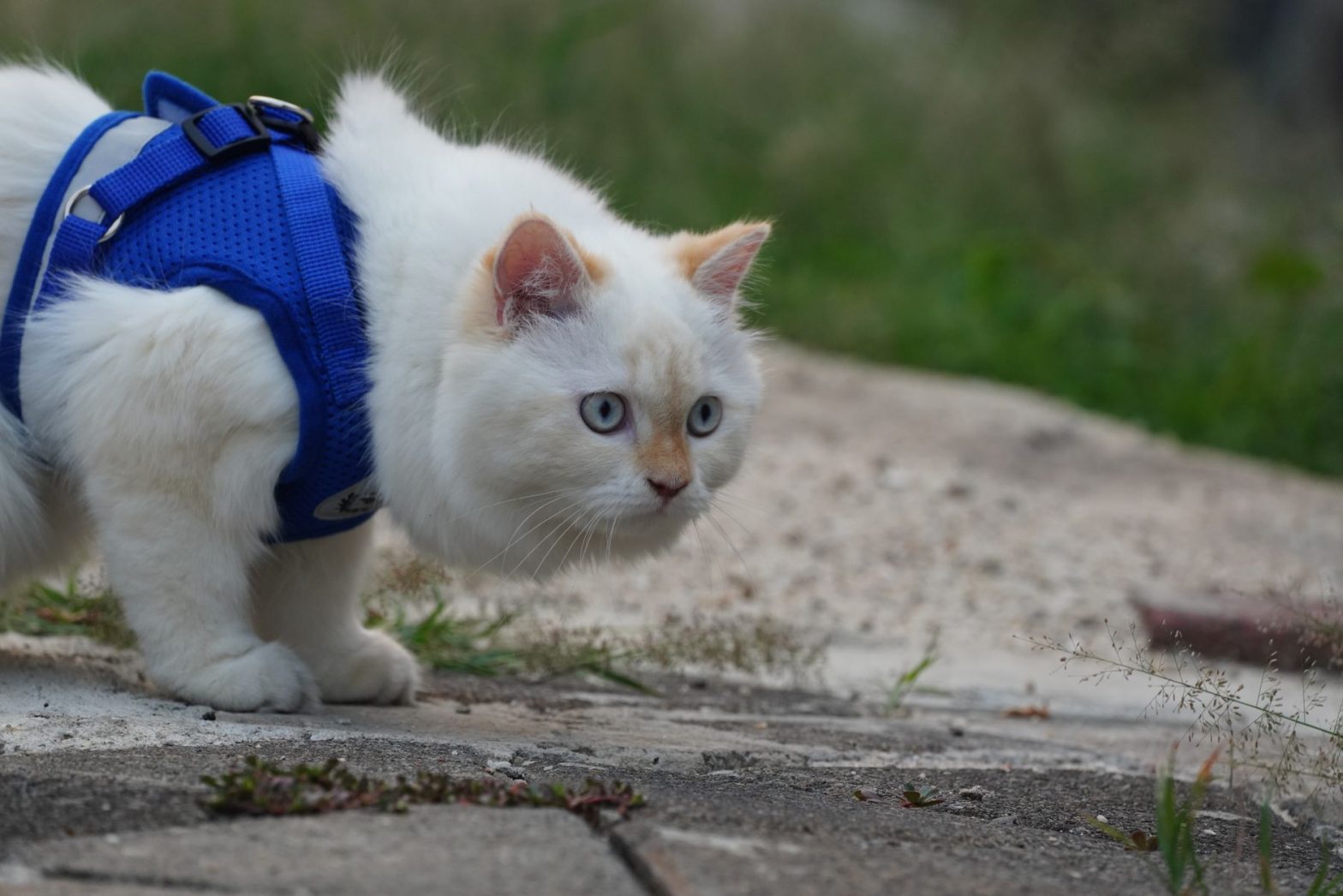
Cat safety gear includes wearable trackers, reflective collars, harnesses, and window restraints designed to protect cats from environmental hazards and accidental loss. These tools provide a crucial layer of security, bridging the gap between a cat’s natural curiosity and the risks found in modern indoor and outdoor environments.
⚡ In a Rush? Key Takeaways
- GPS trackers offer location accuracy within 2-10 meters to prevent permanent loss.
- Harnesses with at least 4 adjustment points prevent 95% of accidental escape attempts.
- Reflective collars improve nighttime visibility by up to 200 feet for passing cars.
- Microchips combined with GPS gear provide the highest recovery rate for lost cats.
- ✅ Best gear for most owners: a break-away reflective collar with a GPS tracker.
Which Cat Safety Gear Is Necessary for Outdoor Exploration?
Outdoor safety gear for cats includes breakaway reflective collars, secure harnesses, and GPS units to prevent theft or accidental loss.
Why Use a Breakaway Collar for Outdoor Cats?
Breakaway collars feature a release mechanism that snaps open under tension to prevent strangulation if a cat gets caught on a branch.
Many owners assume a standard collar is safe, but cats often climb and jump in ways that put them at risk. A breakaway collar is designed to pop open if the cat gets snagged on a fence or tree limb, preventing a potentially fatal situation.
- Prevents accidental choking during climbing or play
- Includes room for an ID tag with your contact info
- Available in vibrant, high-visibility colors
- Essential for all cats who spend time unsupervised
How Do GPS Trackers Assist in Locating Lost Cats?
GPS trackers use cellular or radio signals to provide real-time mapping of your cat’s location through a dedicated smartphone application.
When a cat wanders too far, finding them can feel impossible without technical help. I often tell clients that a GPS unit is an active safety tool, whereas a microchip is a passive recovery aid. The two work best when used together for maximum protection.
| Feature | Cellular GPS | Bluetooth Tracker |
|---|---|---|
| Range | Unlimited | Short (up to 300ft) |
| Battery | 1-7 Days | 6-12 Months |
| Subscription | Required | Not Required |
Which Harnesses Best Prevent Cat Escapes?
Secure cat harnesses use a H-style or vest design with multiple adjustment points to ensure a snug fit that prevents wiggling out.
Not every harness is created equal, and many store-bought options are loose around the shoulders. You need a harness that distributes weight evenly across the chest rather than the neck. Always pair this with a high-quality leash designed for feline biology.
How Can You Improve Indoor Safety for Your Cat?
Indoor safety gear prevents common household accidents by securing windows, limiting access to hazardous areas, and providing enrichment.
Do Window Screens Actually Prevent Falls?
Reinforced pet-proof window screens prevent high-rise syndrome by resisting claw punctures and pressure from a cat leaning against them.
Cats often chase insects or birds against screens, which can lead to tears. Investing in chew-proof or heavy-duty mesh screens is a simple fix for high-floor apartments or second-story homes. It allows you to let in a breeze without worrying about your cat’s safety.
- Prevents falls from open windows
- Stops insects and pests from entering the home
- Reduces repair costs from shredded screen mesh
Why Are Microchip Feeders Useful in Multi-Cat Homes?
Microchip feeders only open for the specific pet with the corresponding microchip, ensuring each cat receives their correct diet and medication.
If you live in a multi-cat household, controlling access to food can be a nightmare. Feeding stations that recognize your cat’s chip prevent bullying and ensure that cats with dietary restrictions don’t eat the wrong meal. It’s a subtle but vital form of internal security.
What Should You Ask Before Buying Safety Gear?
Ask about the weight of the gear, the release mechanism reliability, and if the product is waterproof or durable for daily feline use.
Is the Gear Lightweight Enough for Your Cat?
Cat safety gear must weigh less than 5% of your cat’s total body weight to avoid restricting movement or causing discomfort during use.
Heavy trackers or bulky harnesses can alter your cat’s gait and lead to long-term joint strain. Always check the manufacturer’s weight specifications before purchasing to ensure it fits your cat’s frame. If you’re looking for other enrichment tools, ensure they are also sized appropriately.
How Do You Test the Breakaway Feature?
Test a collar’s breakaway mechanism by pulling the two ends apart until they snap, ensuring the tension is firm but safe for release.
Regularly check your cat’s collar for wear and tear, especially the plastic clips. A jammed breakaway mechanism is a significant safety risk that requires immediate replacement. Safety gear is only as effective as the maintenance you put into it.
Is the Gear Suitable for Travel and Vet Visits?
Travel-specific safety gear includes carriers, seat‑belt harnesses, and portable water bowls that keep cats secure and calm during car trips or clinic visits.
When transporting a cat, a sturdy carrier that meets airline or vehicle safety standards prevents escape and protects against sudden stops. Look for carriers with reinforced corners, secure latches, and adequate ventilation. A crash‑tested pet seat belt that attaches to a harness can also keep a cat restrained in the back seat without restricting movement.
Additionally, portable, spill‑proof water bowls and calming pheromone sprays can reduce stress during travel, making the experience safer for both cat and owner. Always acclimate your cat to the carrier at home before a trip to avoid panic‑related injuries.