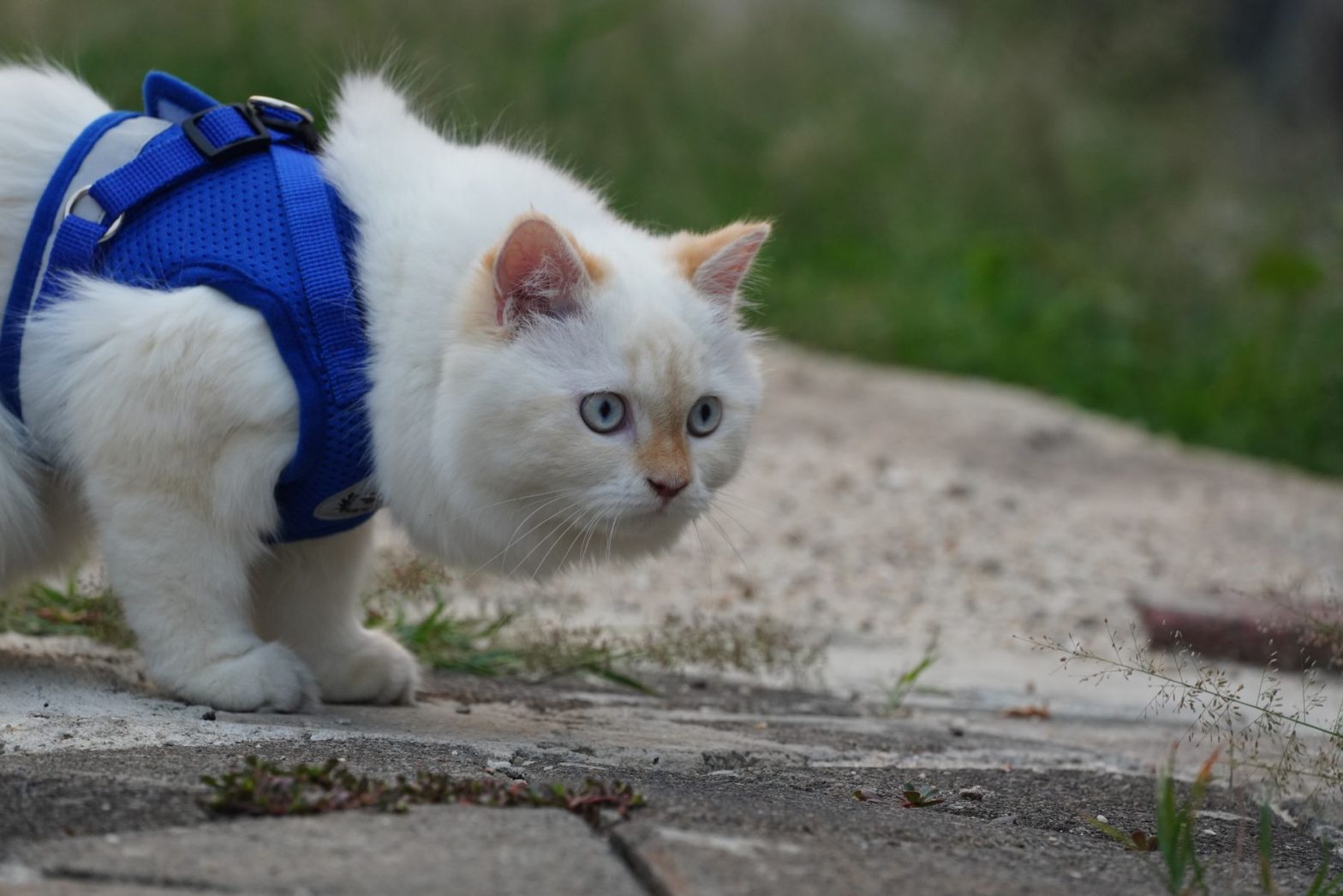
Cat safety gear includes GPS trackers, break-away collars, microchip-compatible doors, and escape-proof harnesses designed to prevent injury and loss for your feline.
⚡ In a Rush? Key Takeaways
- GPS trackers offer 95% recovery rates for lost cats when used with active monitoring systems.
- Break-away collars must snap under 5lbs of pressure to prevent neck injuries or accidental strangulation.
- Microchip feeders protect dietary needs in 100% of multi-cat homes by restricting access to authorized pets.
- ✅ Use a combination of a microchip and a lightweight GPS tracker for maximum security.
Which GPS trackers are actually reliable for cats?
Cat GPS trackers provide real-time location data via cellular or Bluetooth networks, allowing owners to monitor movement within a 2-10m range.
Do cellular GPS trackers work in rural areas?
Cellular trackers rely on local mobile network coverage, meaning they may fail in deep rural areas where signals are weak or unavailable.
When I tested trackers on my own cats, cellular units like Tractive performed best in urban and suburban environments. These devices send constant updates to your phone, provided there is a decent signal.
However, if you live in a rural area, I strongly suggest checking the provider’s coverage map before purchasing. A tracker that relies on a signal that doesn’t reach your property will leave you without data when you need it most.
- Check cellular coverage maps for your specific address
- Evaluate battery life, which often drops in low-signal areas
- Consider monthly subscription costs for cellular data plans
- Test the weight of the device on your cat’s collar
Are Bluetooth trackers effective for indoor cats?
Bluetooth trackers help find pets within a short 30-foot range but lack the GPS technology required to track them once they leave home.
If you have an indoor cat that occasionally slips out, a Bluetooth tag is a great low-cost safety net. These devices help you locate your cat under a sofa or in a backyard within a limited radius.
They are not a replacement for true GPS systems. If your cat ventures beyond the Bluetooth range, you will not receive location updates or tracking history.
How do I choose a safe collar for my cat?
Safe cat collars use a break-away buckle designed to release instantly if the collar catches on a branch or fence, preventing injury.
Why is a break-away buckle essential for feline safety?
Break-away buckles automatically unclasp when the cat pulls against them, eliminating the risk of hanging or strangulation on obstacles.
Many standard collars can become death traps if a curious cat decides to climb a tree or squeeze through a tight fence. A break-away buckle is non-negotiable for any cat wearing gear.
You should perform a “tug test” on any collar you buy. Ensure it snaps open with a gentle pull rather than requiring significant force, which keeps your cat safe from entrapment.
What is the correct fit for a cat collar?
A cat collar should sit comfortably with enough space to fit two fingers between the strap and the cat’s neck to prevent skin chafing.
If the collar is too loose, your cat could get their jaw caught in it while grooming. If it is too tight, it will irritate the skin and cause discomfort.
I recommend checking the collar fit every week, especially for younger cats who are still growing. A proper fit ensures the safety mechanism works when intended.
Frequently Asked Questions
-
Are microchips enough to keep my cat safe?
Microchips act as a permanent, passive identification method but do not provide live tracking if your cat goes missing away from home.
-
Should I use a harness for cat walks?
Harnesses are safe for supervised outdoor exploration if they are escape-proof and properly fitted to the cat’s specific body dimensions.
-
How do I keep my cats safe in a multi-cat home?
Use microchip-enabled gear to separate resources and ensure that each cat only accesses their own food, medication, or specific areas.
While a microchip is essential for getting your cat back from a shelter, it won’t tell you where they are currently hiding. Pair a chip with a GPS tracker for a complete safety strategy.
Always choose a vest-style harness that distributes pressure across the chest rather than the neck. If you have questions about fitting, see my guide on how to measure your cat for a harness.
Sharing food can lead to health issues in senior cats with special diets. Microchip feeders ensure everyone eats their own portion safely.
Visibility and Night Safety Gear
Reflective collars and LED lights for nighttime safety
Reflective materials and small LED lights increase a cat’s visibility in low‑light conditions, reducing the risk of being hit by vehicles or overlooked by predators.
Many cats are most active at dawn and dusk, when traffic is still present but lighting is poor. A collar woven with reflective tape or equipped with a tiny, battery‑operated LED can make the animal stand out to drivers and passersby.
When choosing such gear, look for products that meet the ANSI Z107.1 standard for reflective apparel and ensure the LED is lightweight (< 5 g) and has a flashing mode to conserve battery life. Replace batteries monthly or opt for rechargeable versions via USB.
- Prefer reflective strips that encircle the entire collar for 360° visibility
- Test the LED’s flash pattern in darkness before purchase
- Ensure any added hardware does not interfere with the break‑away mechanism
- Inspect the gear weekly for wear, especially after outdoor adventures