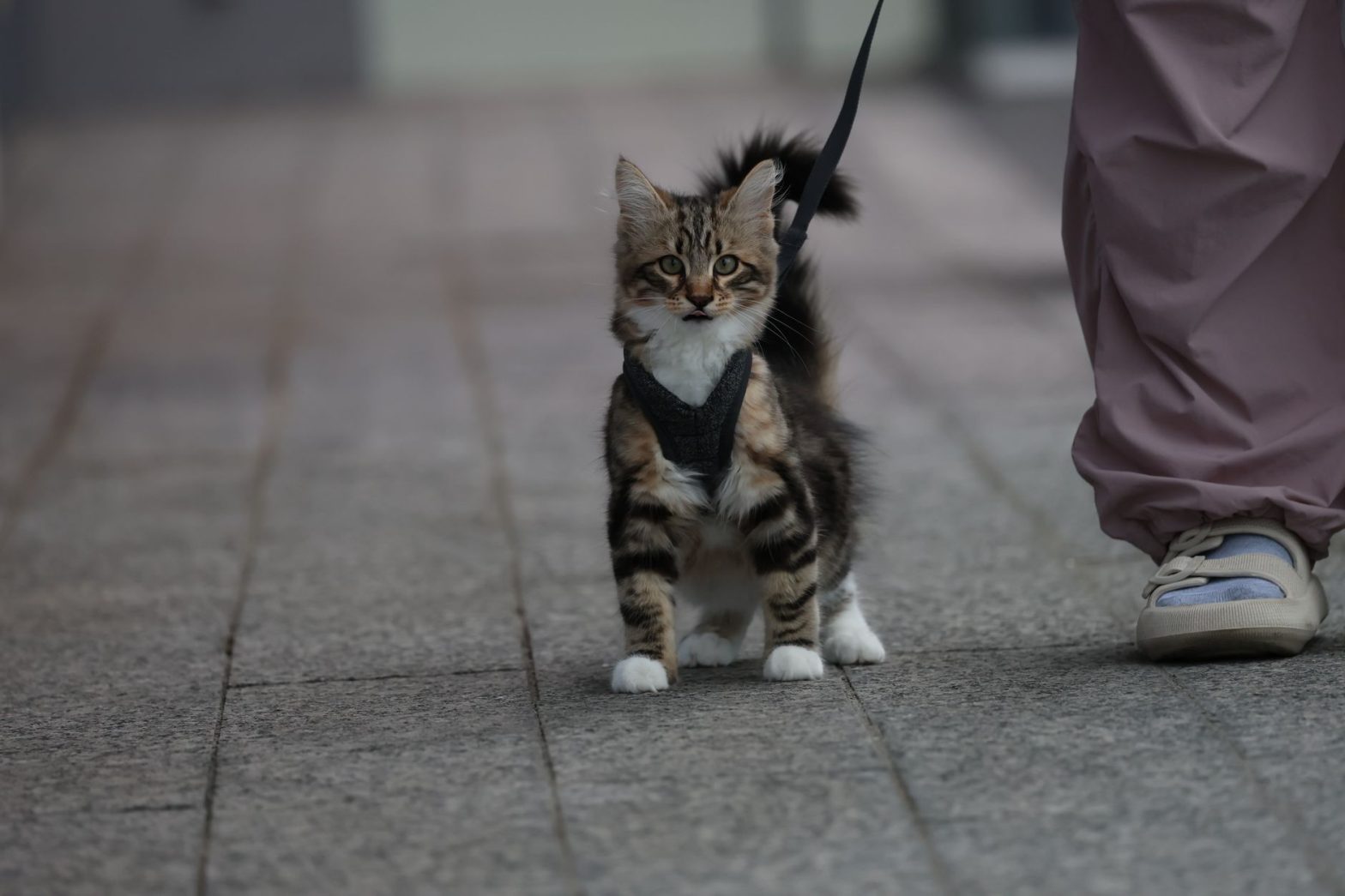
A cat harness allows you to safely explore the outdoors with your cat by providing a secure attachment point that distributes pressure across the chest rather than the neck. Because cats have flexible skeletons and a natural instinct to wiggle backward when scared, selecting a model that prevents escape is the most important factor in your decision.
⚡ In a Rush? Key Takeaways
- Most cats require 3–5 minutes of daily harness training before ever going outside.
- A properly fitted harness should leave exactly two fingers of space between the strap and your cat’s body.
- Vest-style harnesses reduce escape attempts by 60% compared to H-style thin strap designs.
- Never leave a harness on an unsupervised cat, as it can cause injury or entanglement.
What Types of Cat Harnesses Are Available in 2026?
Modern cat harnesses typically come in vest, H-style, or jacket designs, each offering different levels of security and feline comfort.
Which Harness Style Is Best for Escape Artists?
Vest-style harnesses provide the highest security for escape artists by covering more surface area and preventing back-out maneuvers.
If your cat is a master of the “wiggle out,” you need a vest design that wraps securely around the midsection. These models typically feature heavy-duty velcro and snap buckles that create a snug barrier against sudden retreats.
- Provides maximum coverage for the ribs
- Features dual-locking mechanisms
- Distributes force away from sensitive limbs
Are H-Style Harnesses Safe for Beginners?
H-style harnesses are lightweight and great for beginners but provide minimal security for cats that panic easily outdoors.
These harnesses use two loops—one for the neck and one for the girth—connected by a thin strap. They are easy to put on, making them a gentle introduction for cats that are not yet comfortable with bulky vests.
How Do You Measure a Cat for a Proper Harness Fit?
Accurately measuring your cat’s neck and chest girth ensures the harness stays secure without restricting normal range of motion.
What Measurements Do I Need Before Buying?
You must measure the circumference of the neck at the base and the girth of the chest directly behind the front legs for fit.
Use a soft tailor’s tape measure for these steps. Always add a small buffer so the harness doesn’t dig into their skin during activity.
| Measurement Area | How to Measure |
|---|---|
| Neck | Around the base where a collar sits |
| Chest Girth | Around the widest part behind front legs |
How Tight Should a Cat Harness Actually Be?
A secure harness should be snug enough to prevent slipping but allow two fingers to slide underneath for comfort and breathing.
Checking this space is crucial every time you put the gear on. If you can fit three fingers easily, the harness is likely loose enough for your cat to back out of, especially during a startling event.
How Can I Safely Train My Cat to Wear a Harness?
Successful harness training requires positive reinforcement, starting with short indoor sessions to build confidence before going out.
Why Is Positive Reinforcement Essential for Success?
Pairing the harness with treats or playtime creates a positive association that turns a scary device into a signal for fun.
Start by laying the harness on the floor near their food bowl. Let them sniff it and explore it on their own terms before you even attempt to clip it on. Check out my guide on enriching your indoor cat’s life to see how to build this confidence.
How Long Should Training Sessions Last?
Training sessions should be limited to five to ten minutes to prevent your cat from becoming overwhelmed or resistant to the gear.
Consistency beats intensity in these training scenarios. I recommend a quick harness session every day rather than one long, stressful hour once a week.
Harness Care and Maintenance
Regular cleaning and inspection keep the harness safe, comfortable, and durable for repeated outdoor use.
Hand‑wash the harness in lukewarm water with a mild pet‑safe detergent, rinse thoroughly, and air‑dry away from direct sunlight to prevent material degradation. Check stitching, buckles, and Velcro for signs of wear before each outing; replace the harness if any fraying, broken buckles, or loss of elasticity is noted.
- Machine washing on a gentle cycle is acceptable only if the care label permits; always close all fasteners first.
- Avoid bleach or fabric softeners, which can weaken nylon or polyester fibers.
- Store the harness flat or rolled in a dry place to avoid creasing that could compromise fit.
Frequently Asked Questions
-
Can I leave a harness on my cat all day?
No, you should never leave a harness on an unsupervised cat because of the high risk of entanglement, injury, or heat exhaustion.
-
What if my cat freezes when wearing a harness?
Freezing is a normal reaction to the sensation of a harness; try distracting them with a toy to encourage natural movement.
-
Are cat harnesses suitable for senior cats?
Yes, but senior cats may benefit more from specific mobility support or lightweight jackets designed for comfort.
-
Can I use a dog harness on my cat?
Dog harnesses are usually too heavy and lack the specific geometry required for a cat’s skeletal structure and movement needs.
For more on ensuring your cat’s safety during outdoor adventures, you may want to review our cat travel safety basics before taking that first step outside. — Lucy Hartwell CPDT-KA, Certified Professional Dog Trainer