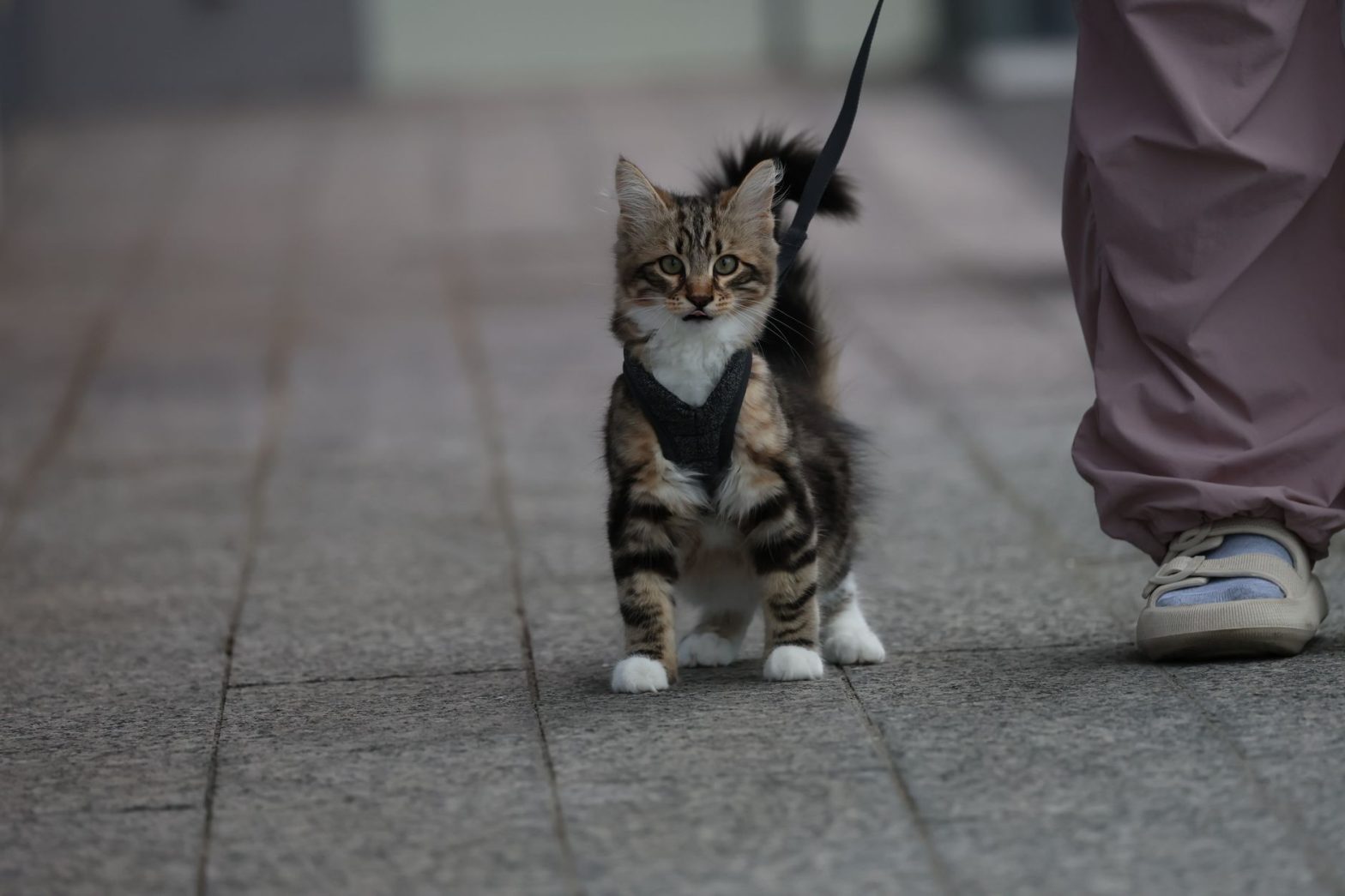
A cat harness is a specialized garment designed to secure your cat safely during outdoor walks while preventing the injuries caused by pulling on a collar. Unlike standard collars, which can slip over a cat’s head or apply dangerous pressure to the throat, a well-fitted harness distributes weight evenly across the shoulders and chest.
⚡ In a Rush? Key Takeaways
- Measure your cat’s girth with a 2-finger gap to ensure a secure, breathable fit.
- Escape-proof vests with double-closure systems provide 95% more security than H-style straps.
- Training sessions should be limited to 5 minutes daily to prevent overwhelming your cat.
- Always prioritize a step-in vest design for cats prone to panicking outdoors.
Which Cat Harness Style Is Safest for Beginners?
Step-in vest harnesses are the safest choice for beginners as they offer full chest coverage and prevent cats from wiggling out.
Why Are Vest-Style Harnesses Better Than Straps?
Vest harnesses distribute pressure across a wider surface area than thin straps, reducing the risk of chafing and throat trauma.
As a trainer, I have seen far too many cats slip out of basic H-style straps during a sudden fright. Vest-style options provide a more structured fit that holds the cat securely without feeling like a straightjacket.
- Superior weight distribution across the chest.
- Multiple closure points like velcro and heavy-duty buckles.
- Higher surface coverage to prevent wiggling out.
- More comfortable for cats sensitive to pressure.
| Harness Style | Pros | Cons | Best For |
|---|---|---|---|
| Step-in Vest | Secure fit, even pressure distribution, hard to escape | Can be warmer, may take longer to put on | Beginners, anxious cats, outdoor walks |
| H‑Style Strap | Lightweight, quick to put on, minimal coverage | Easy to slip out, pressure on neck/throat | Calm cats, short indoor practice |
| Jacket/Harness Combo | Full body coverage, extra warmth, stylish | Bulkier, may restrict movement, harder to find size | Cold climates, cats that tolerate clothing |
| Figure‑8 Harness | Simple design, adjustable, low profile | Pressure concentrated on shoulders, can twist | Experienced handlers, cats that dislike bulk |
How Do You Measure a Cat for a Harness?
Use a soft measuring tape around your cat’s rib cage just behind the front legs, leaving space for two fingers under the tape.
Measuring correctly is the difference between a secure walk and a runaway cat. Never guess your cat’s size based on weight alone, as body shape varies wildly between breeds.
For more advice on managing your feline, check out our guide on indoor cat enrichment to prepare them for the mental stimulation of outdoor time.
How Do You Train a Cat to Walk on a Harness?
Start by letting your cat wear the harness inside for minutes at a time to build comfort before ever attaching a leash outdoors.
Can You Start Training with Positive Reinforcement?
Pair the harness with high-value treats or mealtime to create a positive emotional association with the gear for your cat.
Patience is mandatory. If you rush the process, your cat will likely associate the harness with fear or stress rather than adventure.
- Let the cat sniff the harness on the floor.
- Place it on gently while feeding a favorite treat.
- Increase wear time by two minutes each day.
- Move to leash attachment only after the cat ignores the harness.
Where Should You Practice the First Walks?
Begin training in a quiet, confined indoor space or a safe, enclosed backyard to ensure your cat feels secure and confident.
Many owners make the mistake of heading straight to a public park. The sights, sounds, and smells of the street are overwhelming for a cat’s senses.
If you have a multi-pet home, consider how your environment affects behavior, as noted in our multi-cat household tips to keep stress levels low during this new transition.
What Are the Best Safety Tips for Outdoor Walks?
Always check for secure attachments before leaving the house and ensure your cat is microchipped in case the harness ever fails.
Should You Use a Retractable Leash for Cats?
Avoid retractable leashes because they provide too much slack and can easily tangle or snap, posing a risk to your cat’s safety.
Retractable leashes often lock unpredictably. A standard, fixed-length six-foot leash is the gold standard for maintaining control over your cat’s environment.
- Prevents unexpected lunges into traffic or bushes.
- Provides consistent feedback for the cat to follow.
- Reduces the risk of cord-related rope burns.
How Do You Respond If Your Cat Panics?
Stay calm, stand still to prevent the harness from pulling off, and encourage your cat to retreat toward a safe, familiar carrier.
If your cat is startled, they may try to bolt or climb you. For those living in urban environments, remember that proper cat travel accessories can serve as a portable safe zone if your cat gets nervous.
Frequently Asked Questions
-
Can an older cat learn to wear a harness?
Yes, senior cats can learn to wear harnesses, though the process often requires more patience and shorter, gentler sessions.
-
How long should a daily walking session last?
Most cats thrive on 10 to 15-minute sessions, as outdoor walking is mentally exhausting and highly stimulating for a feline.
-
Will my cat try to escape the harness?
Cats may try to back out if they are scared, which is why a secure vest harness with a snug fit is essential for safety.