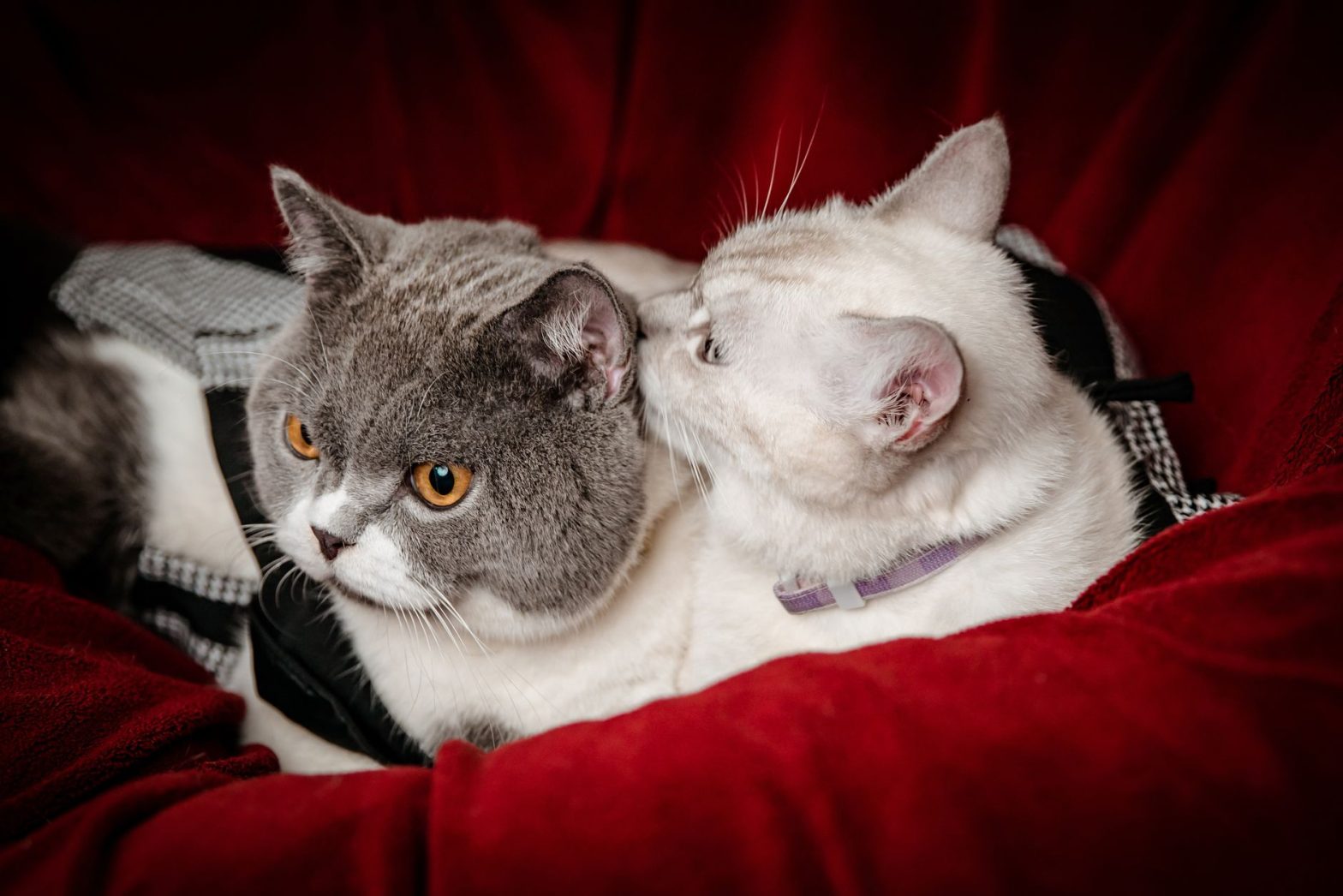
Cat collars are essential tools for identification and safety, but they must feature a quick-release breakaway mechanism to prevent injury if your cat snags on an object. Unlike dog collars, cat gear needs to prioritize escape-ability over leash control.
⚡ In a Rush? Key Takeaways
- Breakaway collars are required to snap open under 5-8 pounds of pressure.
- Indoor cats need collars for identification just as much as outdoor adventurers.
- A properly fitted collar allows 2 fingers between the strap and your cat’s neck.
- Reflective strips increase visibility by 80% during low-light conditions.
- Always pair a collar with a microchip for the highest safety standard.
Why Are Breakaway Collars Necessary for Cats?
Breakaway collars use a specialized clasp that snaps open when pulled, preventing your cat from strangling if they catch on a tree or fence.
I have seen far too many DIY collars that could have ended in a vet emergency. Traditional buckles do not give way, which is a massive liability for cats that love to climb and squeeze through tight gaps.
How Does a Breakaway Clasp Work?
These clasps contain a tension-sensitive mechanism that releases the strap if your cat applies more than a few pounds of weight to it.
When your cat gets a limb or the collar itself caught on a branch, their own body weight triggers the release. This ensures that a moment of play doesn’t turn into a life-threatening entanglement.
- Automatic release under physical stress
- No complex buttons for the cat to manipulate
- Lightweight design to prevent neck strain
- Essential for both indoor and outdoor safety
Should Indoor-Only Cats Wear Collars?
Yes, even indoor cats should wear collars because accidents like door escapes or house fires happen, and IDs make for faster reunions.
Many owners feel their indoor cat is perfectly safe, but I always remind my clients about the unexpected. If a visitor leaves a door ajar, an ID tag is the fastest way for a neighbor to get your cat home.
Pairing your collar with safe cat travel carriers is a great way to keep them secure if you ever need to evacuate your home quickly.
How Do You Fit a Cat Collar Properly?
A correct fit allows two fingers to slide easily under the collar, ensuring it is snug enough to stay on but loose enough to be comfortable.
Fitting is where most owners make mistakes. If the collar is too loose, your cat can get their jaw caught in it while grooming, which is a very stressful situation for both of you.
Why Is Two-Finger Sizing the Standard?
Two-finger sizing accounts for your cat’s movement and breathing, preventing the collar from restricting the throat or rubbing the skin raw.
I recommend checking the fit weekly, especially with younger cats or those who fluctuate in weight. If you notice fur thinning around the neck, the collar is likely too tight.
| Checklist | Detail |
|---|---|
| Girth | 2 finger width space |
| Weight | Keep under 1 ounce |
| Material | Soft, non-abrasive fabric |
What Materials Are Most Comfortable?
Nylon webbing or soft cotton are best because they are lightweight, durable, and do not cause significant matting or hair breakage.
Avoid heavy metallic accents or rigid plastics that dig into the neck. If you need help choosing the right size, check out my cat gear size calculator to get the measurements exact.
Are There Alternatives to Traditional Collars?
Harnesses are the safest alternative for cats that need to go outdoors, as they distribute weight away from the sensitive throat area.
If you are training your cat for supervised walks, avoid using a collar to control their movement. Always use a dedicated harness that fits their unique frame, as you can learn in our guide on indoor and outdoor enrichment strategies.
Why Use a Harness for Outdoor Time?
Harnesses prevent the risk of tracheal collapse and provide better control without putting pressure on the delicate bones of the neck.
Walking your cat on a leash requires a harness specifically designed for their escape-artist abilities. A collar simply cannot provide the security needed for an outdoor adventure.
When Is a Microchip Better Than a Collar?
Microchips provide permanent identification that cannot be lost or removed if your cat manages to shake off their collar.
I treat collars and microchips as two parts of the same safety net. A collar provides instant visibility, while a microchip serves as the definitive legal proof of ownership at a vet or shelter.
Frequently Asked Questions
-
Can a cat wear a dog collar?
No, dog collars are usually too heavy and rarely feature the crucial breakaway clasp required for feline safety during daily activities.
-
How do I stop my cat from losing their collar?
If your cat keeps losing their collar, ensure the breakaway tension is set correctly and consider a lightweight, low-profile design.
-
Are bell collars dangerous for cats?
Bells can be annoying to some sensitive cats, but they are generally safe, though they may make it harder for your cat to hunt birds.
-
What should be on the ID tag?
Include your current phone number and your cat’s name; avoid putting your home address directly on the tag for security reasons.