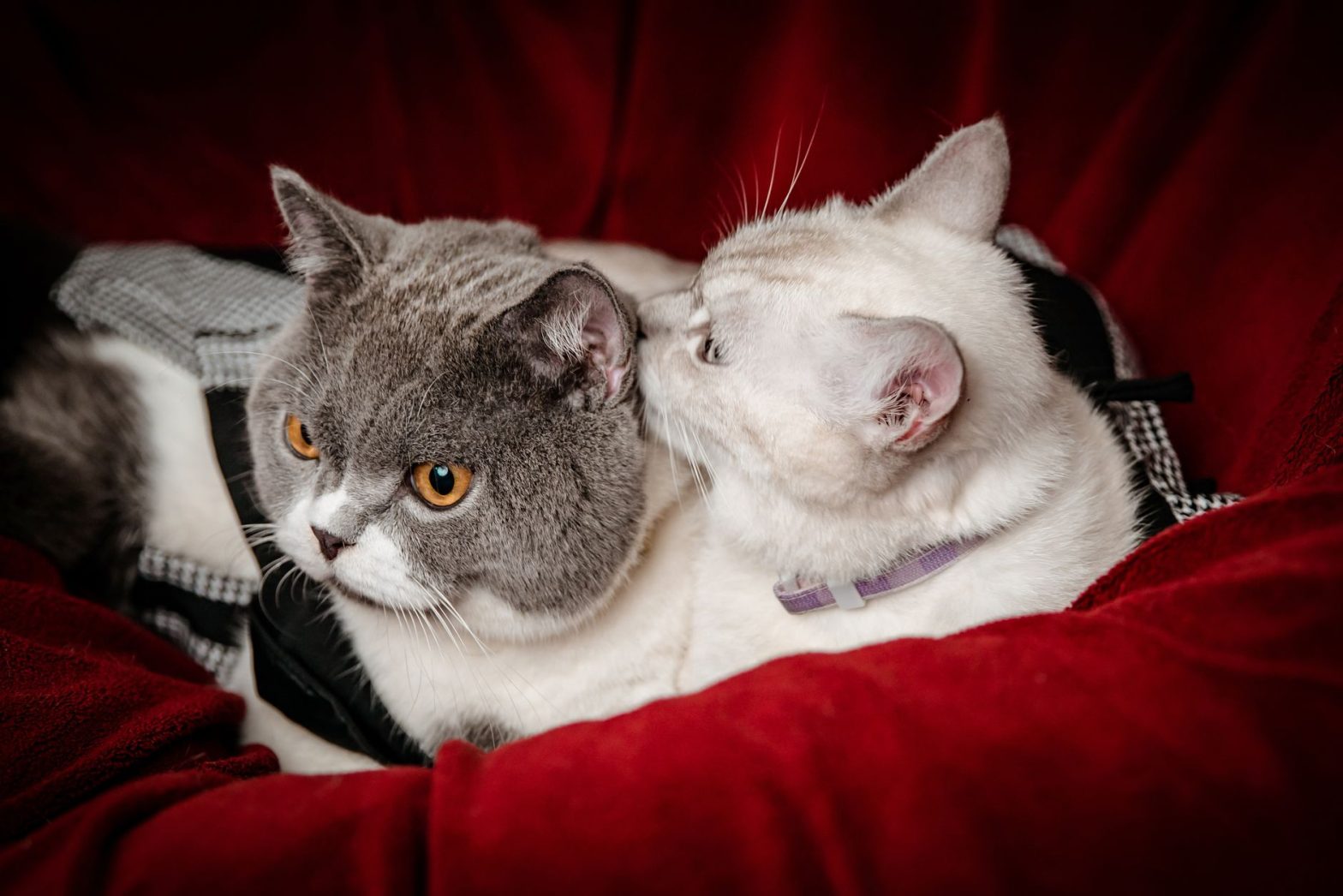
A cat collar should always feature a breakaway buckle to ensure your cat can escape safely if the collar becomes snagged on a branch or fence. While it might seem like a simple accessory, the safety mechanism and fit are the most critical factors for keeping your cat secure at home or on supervised outings.
⚡ In a Rush? Key Takeaways
- Breakaway collars are essential because they prevent strangulation by releasing under 5-8 pounds of pressure.
- Always ensure you can fit two fingers comfortably between the collar and your cat’s neck to prevent skin irritation.
- Over 90% of lost cats wearing proper identification are returned to their owners significantly faster than those without.
- My top recommendation for 2026 is a nylon-webbing collar with a reflective strip for night visibility.
Why Is a Breakaway Collar Necessary for Your Cat?
Breakaway collars are vital because they snap open when caught on objects, preventing your cat from being trapped or injured while climbing.
What Happens If My Cat Wears a Non-Breakaway Collar?
Non-breakaway collars can cause severe strangulation or jaw entrapment if the cat gets hooked on a fence or a stray tree branch outside.
As a trainer, I have heard too many stories about cats getting snagged during their daily explorations. Unlike dogs, cats are acrobatic and often squeeze into tight spaces where a standard buckle could get hung up on a protrusion, leaving your cat unable to move.
How Much Force Does It Take to Release a Breakaway Collar?
Most quality breakaway buckles are engineered to snap open when they detect between five to eight pounds of sudden pulling pressure.
This threshold is carefully calibrated to hold up during normal activity like grooming or gentle play. However, if your cat’s body weight pulls against the collar during a snag, the buckle clicks open immediately to set them free.
- Ensures the collar falls off if caught
- Allows for easy movement in tight spaces
- Prevents accidental injury during climbing
- Provides peace of mind for outdoor access
How Do You Properly Measure a Cat for a Collar?
Measure your cat’s neck using a soft tape measure, leaving enough room to slide two fingers comfortably between the tape and their skin.
Why Does a Tight Collar Cause Matting and Hair Loss?
Collars that are too tight compress the fur against the skin, which prevents air circulation and leads to painful matting and bald spots.
I see many cats with “collar fur,” a ring of matted or broken hair around their neck caused by constant friction. If the collar doesn’t allow for natural movement, it can even cause sores during the warmer months.
Is It Better for a Collar to Be Slightly Loose?
A slightly loose collar is safer as long as the cat cannot pull their jaw through the loop to get it stuck in their own mouth.
The golden rule I use with my own cats is the two-finger test. If you cannot comfortably fit two fingers under the collar, it is too tight and needs to be adjusted before you let your cat out of your sight.
| Measurement | Fit Status |
|---|---|
| One finger fits | Too tight (Risk of chafing) |
| Two fingers fit | Perfect (Snug but safe) |
| Three+ fingers fit | Too loose (Risk of jaw entrapment) |
What Features Should You Look For in 2026?
Look for lightweight materials, reflective strips for night safety, and a dedicated ring for attaching an identification tag.
Are Bells on Collars Really Necessary?
Bells help notify birds and small prey of your cat’s location, though they do not guarantee the cat will stop hunting altogether.
If you live in an area with local wildlife, a bell can be a helpful tool. However, some cats find the constant jingling stressful, so consider your cat’s personality when choosing.
What Materials Are Most Comfortable for Cats?
Soft nylon or woven fabric collars are generally the most comfortable because they are lightweight and do not catch on thick fur.
I always suggest avoiding thick, heavy leather collars for cats, as they are often too bulky. If you are learning more about indoor enrichment, keep in mind that comfort is key to helping your cat accept their gear.
Frequently Asked Questions About Cat Collars
-
Do cats hate wearing collars?
Many cats dislike collars at first, but with a gradual introduction, most will accept them within a few days of consistent wear.
-
Should indoor cats wear collars?
Yes, indoor cats should wear collars with identification because even indoor-only cats can accidentally slip out of an open door.
-
How often should I check my cat’s collar fit?
You should check your cat’s collar fit at least once a week, especially for younger cats who may still be growing in size.
-
Can I attach a leash to a cat collar?
No, you should never attach a leash to a collar, as it can injure the neck; use a harness designed for cats instead.
If you have questions about managing multiple pets, read my guide on how to feed multiple cats without fighting to see how accessories can support a harmonious home environment.