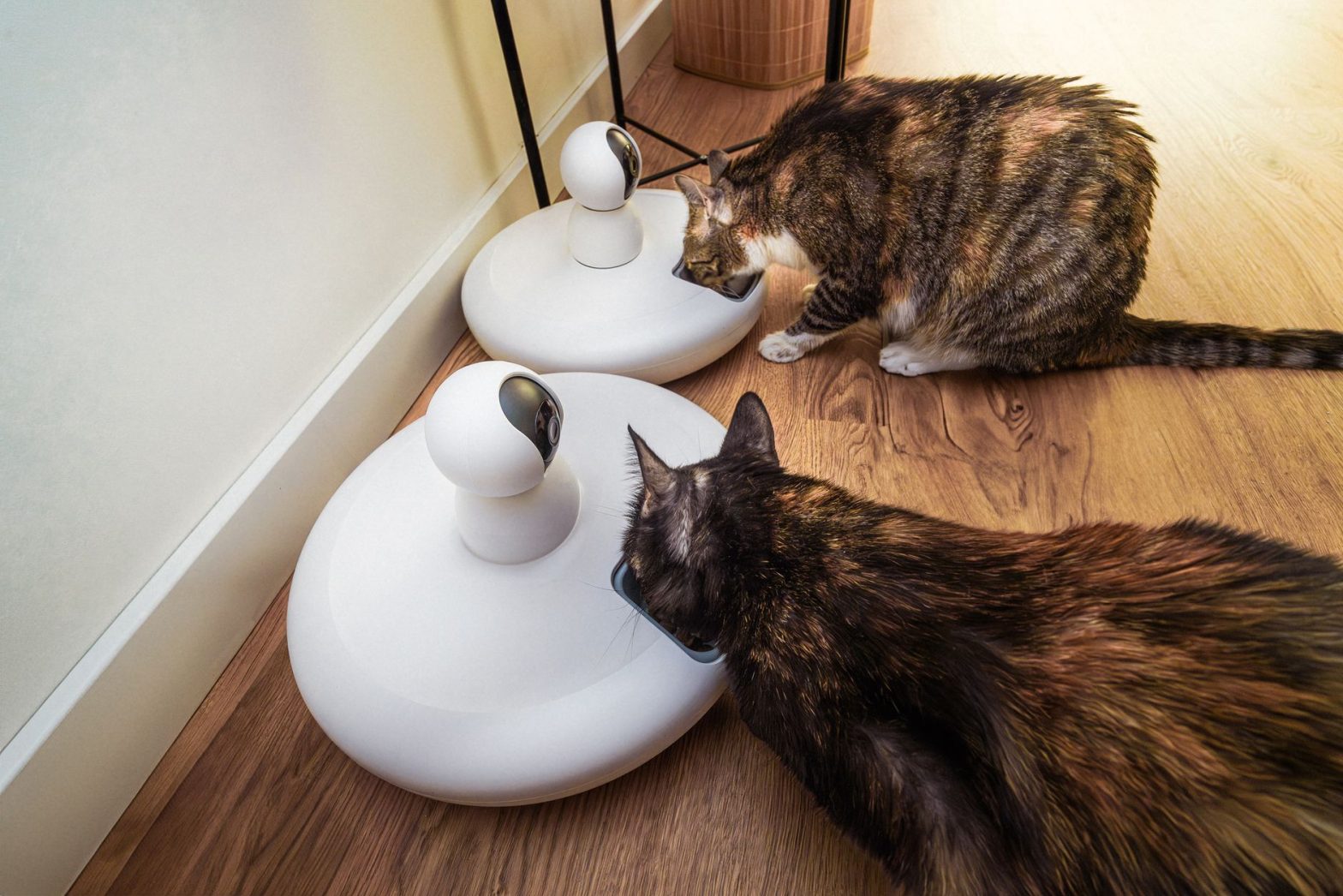
How Do Automatic Cat Feeders Work in 2026?
Automatic cat feeders use programmable timers to dispense dry kibble at specific intervals, ensuring your cat eats consistent, measured meals.
As a certified trainer, I’ve seen how these devices change the dynamic in multi-cat households. By automating the mealtime routine, you remove yourself as the “source of truth” for food, which often reduces begging behaviours at 5:00 AM.
⚡ In a Rush? Key Takeaways
- Automatic feeders help manage weight by providing 4–6 precise meals daily.
- Gravity feeders can lead to overeating, as cats consume as much as they want.
- Microchip-controlled feeders prevent food theft in homes with multiple cats.
- The best unit for your home depends on your cat’s specific dietary needs.
What Are the Differences Between Gravity and Portion-Control Feeders?
Gravity feeders rely on weight to replenish bowls as cats eat, while portion-control units use electric motors to dispense specific amounts.
Gravity feeders are simple and cheap but essentially turn your cat into an unrestricted eater. If your cat has a tendency to graze until the bowl is empty, you need a portion-control model to avoid weight gain.
- Gravity: Best for cats who naturally regulate their food intake.
- Portion-Control: Essential for weight management and medical diets.
- Portion-Control: Features custom timers and meal sizes.
- Gravity: No electricity required, making them perfect for power outages.
Which Feeder Features Should I Look For This Year?
Look for stainless steel bowls for hygiene, secure lids to prevent pawing, and battery backups to ensure reliability during power failures.
I always tell clients that the technology is only as good as the cleanup process. Look for dishwasher-safe components to keep the unit free from bacterial growth.
How Do I Choose the Right Feeder for My Cat’s Personality?
Select a feeder based on whether your cat is a grazer, a food thief, or a fast eater who needs slow-feed attachments for digestion.
Some cats are absolute Houdinis when it comes to getting extra snacks. If you have an escape artist, the durability of the lid mechanism becomes your top priority.
Is a Microchip Feeder Better for Multi-Cat Households?
Microchip feeders only unlock for the specific cat whose collar tag or implant matches the sensor, stopping food theft in multi-cat homes.
If you have one cat on a prescription diet and another who is a scavenger, these units are life-savers. They ensure the right cat gets the right calories every time.
If you’re dealing with mealtime aggression, you might also want to check out my tips on feeding multiple cats without fighting to complement your new tech setup.
Do Smart Feeders With Cameras Provide Real Benefits?
Smart feeders with integrated cameras allow owners to monitor eating habits and ensure the bowl is clear, offering peace of mind while away.
These units can alert you if your cat misses a feeding, which is incredibly helpful for senior cats. For more on keeping your elderly feline comfortable, see my guide on senior cat enrichment and comfort.
What Are the Common Maintenance Tips for Automatic Feeders?
Clean the food reservoir weekly, wipe sensors to prevent malfunctions, and replace batteries every six months for consistent operation.
A dirty feeder can lead to chin acne or digestive upset. I recommend a quick wipe-down whenever you refill the kibble supply.
How Often Should I Deep Clean the Feeder Components?
Deep clean removable parts monthly with mild soap and water, ensuring everything is fully dry before refilling to prevent mold or spoilage.
If you struggle with picky eaters, keep in mind that stale kibble will make them walk away. Freshness matters, which is why I often suggest smaller, frequent refills.
Are There Specific Troubleshooting Steps for Jammed Feeders?
Clear kibble jams by checking for oversized pieces, rotating the inner dispenser, and ensuring the food hopper is properly snapped in place.
Most jams occur when low-quality food breaks apart in the mechanism. Using high-quality, uniform kibble often solves this issue entirely.
Buying Guide: Factors to Consider for Budget-Conscious Owners
Automatic feeders vary significantly in price; consider your cat’s specific needs, the feeder’s features, and your budget when making a decision.
For budget-conscious owners, it’s essential to weigh the costs of the feeder against the potential benefits, including reduced food waste and improved health for your cat. Consider the cost of batteries, replacement parts, and any subscription services that may be required. A more expensive feeder with advanced features may be worth the investment if it provides significant benefits for your cat’s health and well-being.
| Feeder Type | Price Range | Features |
|---|---|---|
| Basic Gravity Feeder | $10-$30 | No programming, simple design |
| Portion-Control Feeder | $30-$70 | Programmable, custom meal sizes |
| Smart Feeder with Camera | $70-$150 | Wi-Fi connectivity, remote monitoring, customizable feeding schedules |
Frequently Asked Questions
-
Can I Use Wet Food in an Automatic Feeder?
Only use wet food in specific feeders designed with cooling gel packs or refrigerated compartments to prevent bacterial spoilage during the day.
-
How Many Meals a Day Should My Cat Eat?
Most adult cats thrive on 3 to 4 smaller meals per day, which automatic feeders make easy to maintain consistently without your presence.
-
Are Automatic Feeders Safe for Kittens?
Feeders are generally safe for kittens, but ensure the dispensing size is small enough to prevent choking and monitor their feeding transition.
For more advice on keeping your home setup optimal, explore my collection of cat enrichment tools for a happier feline.