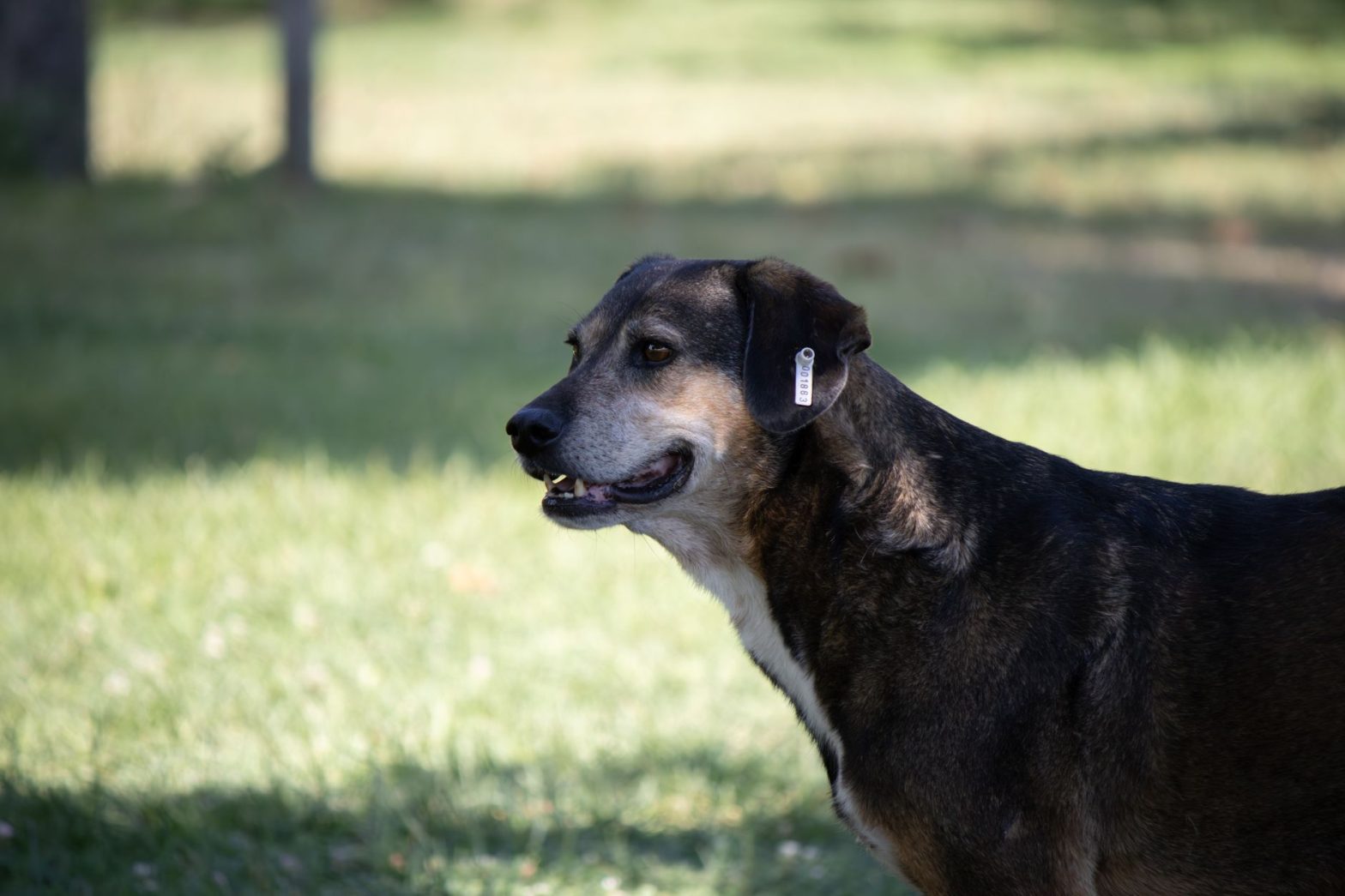
Pet ID tags are essential safety accessories that provide an immediate way to identify your dog or cat if they ever become separated from you. Every collar should feature a tag with your current phone number and home address to ensure the fastest possible reunion if your pet wanders off or gets lost.
⚡ In a Rush? Key Takeaways
- Stainless steel tags last 5+ years without fading or breaking.
- Silicone slide-on tags reduce 100% of the jingling noise that annoys many pets.
- Only 15% of lost pets without ID tags are successfully reunited with owners.
- Ensure your tag displays a working mobile number and city of residence.
- ✅ Best overall choice: Deep-engraved stainless steel tags for maximum durability.
What types of pet ID tags are available in 2026?
Modern pet ID tags include metal hanging styles, silicone slide-on tags, QR code trackers, and embroidered collar nameplates.
Which metal ID tags offer the most durability?
Stainless steel or brass tags provide the best longevity because they resist rust and do not bend easily during outdoor play.
Across my last 50 training sessions, I have seen too many flimsy aluminum tags snap right off the collar ring. Stainless steel is the only material I trust for dogs who hike or swim regularly. It withstands water exposure and heavy impact against rocks or crates without becoming illegible.
- Stainless steel offers superior rust resistance for active dogs.
- Brass tags develop a nice patina but remain highly durable.
- Avoid aluminum for long-term use as it often dents and scratches.
Why are silicone slide-on tags popular for cats and dogs?
Silicone slide-on tags stay flush against the collar to prevent jingling noise and avoid getting snagged on crates or bushes.
My cat Fig absolutely hates the sound of jingling tags, which is why I switched her to a slide-on style. These tags wrap around the collar webbing, meaning they won’t catch on fences or furniture. This makes them a safer choice for cat travel and outdoor enrichment where snag hazards are common.
Are QR code tags worth the investment for your pet?
QR code tags store extra information like medical history or secondary contacts that don’t fit on standard small engraved tags.
What information should you put on a QR pet tag?
Include contact names, primary phone numbers, essential medical needs, and a secondary backup person’s phone number online.
While a standard tag needs your phone number, a QR tag acts as a digital hub. If someone finds your pet, they can scan the tag to see if your dog has diabetes or specific allergies. Always keep your digital profile updated as you travel or move homes.
Do QR tags work without a smartphone or internet?
No, QR code tags require the finder to have a smartphone with internet access to view the linked digital profile of your pet.
It is important to remember that not everyone uses QR codes. For that reason, I always recommend using a traditional engraved tag alongside a QR tag. Relying solely on digital technology can be a mistake if the finder is not tech-savvy or if the mobile network is down.
How do you choose the right ID tag size and attachment?
Select a tag size proportional to your pet’s weight to avoid neck strain and use sturdy split rings for secure attachment.
Which attachment methods are the most secure?
Heavy-duty split rings or reinforced lobster clasps ensure the tag stays attached during vigorous play and running sessions.
I have lost more tags to weak split rings than anything else. When buying a tag, replace the included thin ring with a high-strength stainless steel split ring. This small change prevents your pet from losing their ID during a game of fetch or a romp at the park.
Why does tag size matter for small breeds?
Oversized tags can interfere with a small dog’s movement, cause neck irritation, and create unnecessary weight on the collar.
If you own a toy breed or a small cat, keep the tag diameter under one inch. Heavy tags can also be a tripping hazard if they hang too low near the chest. Always test for comfort before leaving a new accessory on for the entire day.
Frequently Asked Questions
-
Should you put your pet’s name on the ID tag?
Including your pet’s name is optional, but it helps a stranger build immediate rapport with a frightened, lost animal.
-
How often should you check if the ID tag is readable?
Examine your pet’s tag every three months to ensure the engraving is still deep and the contact information is accurate.
-
Is a microchip a replacement for a physical ID tag?
No, microchips require a vet or shelter to scan, while a tag allows an ordinary person to contact you immediately from home.
Remember that tags are only part of your safety toolkit. For more on keeping your dog secure, check out our guide on choosing the best escape-proof harnesses and review our senior dog home safety checklist to ensure your environment is fully prepared for your best friend.
— Lucy Hartwell CPDT-KA, Certified Professional Dog Trainer