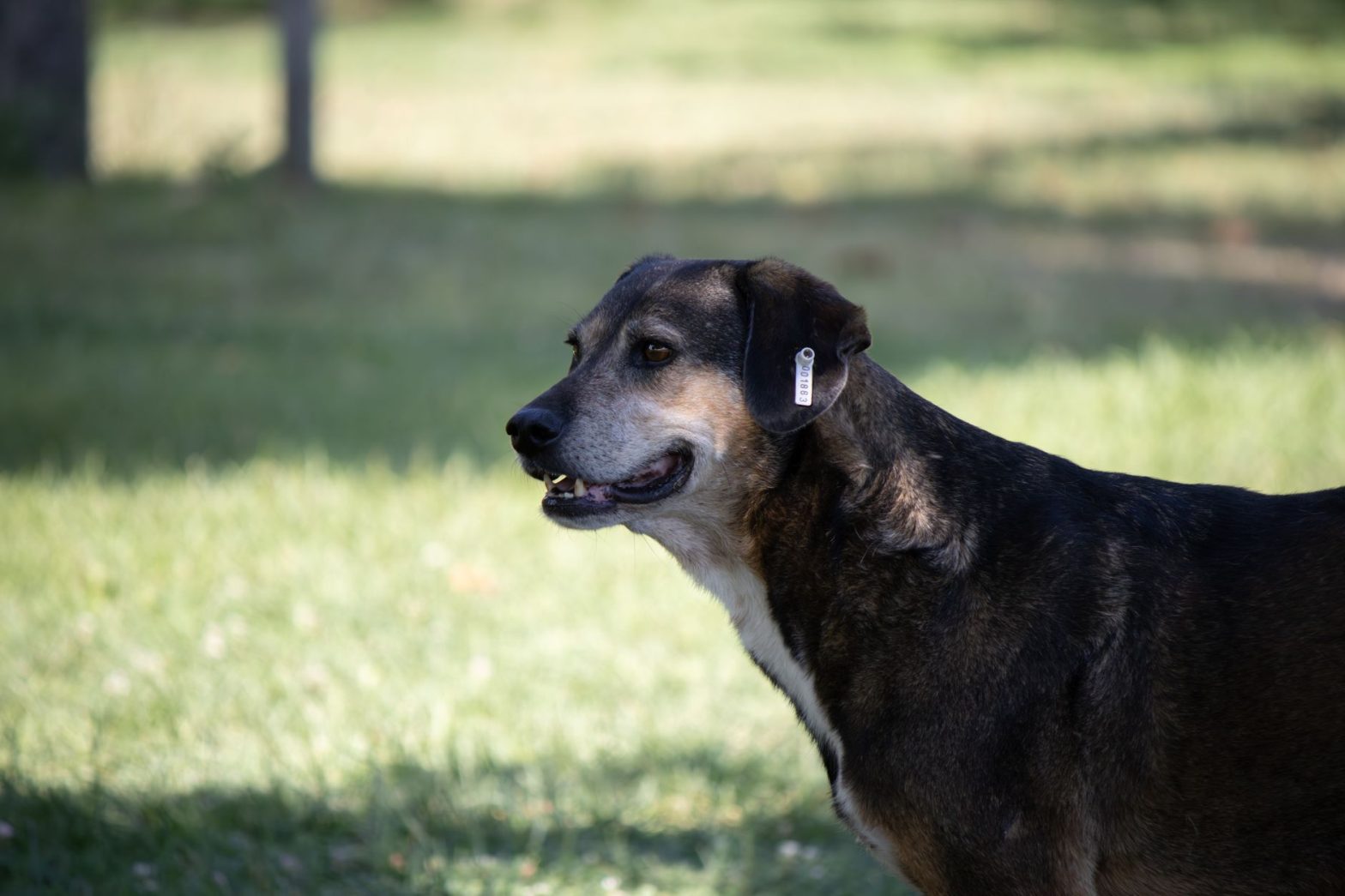
What makes a pet ID tag truly reliable for your pet?
A reliable pet ID tag must feature deep-engraved, corrosion-resistant text that remains legible even after months of daily wear and tear.
Across my last 50 training sessions, I’ve seen countless dogs arrive with tags so scratched they were impossible to read. It doesn’t matter how pretty the design is if a neighbor can’t read your phone number when your dog is wandering. The best tags use laser engraving or deep-stamping, which lasts much longer than simple surface printing.
What materials survive the most wear and tear?
Stainless steel and brass offer the highest durability for active pets, resisting both rust and deep scratches during outdoor adventures.
I always steer clients toward stainless steel for dogs who love water or mud, as it refuses to rust. Brass is another fantastic, slightly more classic choice that develops a nice patina while staying incredibly tough.
- Stainless steel: The gold standard for durability and rust resistance.
- Solid brass: Extremely strong, though it may tarnish over time.
- Aluminum: Lightweight and affordable, but scratches very easily.
- Silicone: Excellent for noise reduction but text can fade faster.
Which attachment methods prevent accidental tag loss?
Split rings are the most secure way to attach a tag, provided they are made of heavy-duty steel and fully closed to prevent snags.
I have lost track of how many clients come to me after their dog’s tag fell off in the brush. If you use a simple ‘S’ hook, it will eventually bend open. Always swap those for high-quality, tempered steel split rings.
How do I choose the best tag for my specific pet?
Selection depends on your pet’s size, activity level, and noise sensitivity to ensure the tag is both safe and comfortable to wear.
Are quiet tags better for anxious dogs?
Silicone slide-on tags eliminate all jingle noise and work perfectly for sensitive pets who are bothered by constant metal clinking.
Some of my anxious clients find the ‘jingle-jangle’ sound of traditional metal tags triggers their dog. If your dog is sound-reactive, a sliding silicone tag that sits flat against the collar is a game changer.
What size tag should I use for small breeds or cats?
Small dogs and cats require lightweight, miniaturized tags that won’t interfere with their movement or get caught on furniture.
For my smaller clients, like the Frenchies and Chihuahuas I train, heavy tags can be annoying. A lightweight 1-inch tag is usually sufficient to hold the essential contact information without weighing them down.
Should I include extra information on my pet’s tag?
Essential tags should focus on clear contact info, specifically your name, a working phone number, and notice of medical needs.
Is it safe to put my pet’s name on their tag?
Including your pet’s name helps the person who finds them, but it is optional if you prefer to keep their identity private.
Some owners worry that including a name makes it easier for thieves, but most find it helps comfort a scared dog. If you are worried, focus on the phone number and “Microchipped” notice instead.
How can I indicate medical needs on a tag?
Use a dedicated medical alert tag or clearly engrave medical conditions to ensure your pet gets care if they are lost and injured.
If your dog is on daily medication, adding “Needs meds” or “Medical condition” can save their life. It alerts the finder to get them to a vet immediately rather than holding them at home.
What details should be engraved on the tag?
Prioritize a current phone number, your city or address, and a note that your pet is microchipped; keep the text short and legible.
A phone number is the fastest way for a good Samaritan to reach you, so it should be the first line on the tag. Adding your city or street address helps if your pet is found farther from home, though you may omit the full address for privacy. Finally, engraving “Microchipped” alerts anyone who scans the tag that a permanent ID exists, increasing the chances of a quick reunion.
Frequently Asked Questions
-
How often should I replace my pet’s ID tag?
You should check your pet’s ID tag annually for legibility, replacing it immediately if the engraving has become difficult to read.
-
Can a microchip replace the need for an ID tag?
Microchips are vital, but they require a scanner, so an ID tag is the fastest way for a neighbor to return your lost pet to you.
-
Are QR code tags worth the investment?
QR tags provide extra data, but they require a smartphone and internet, so they should be used in addition to a standard engraved tag.
Remember, the best tag is the one that is readable right now. For more tips on keeping your dog safe, check out my guide on GPS trackers for escape artists or my advice on managing senior pet safety at home. If your dog is prone to bolting, ensure your harness fit is secure alongside their ID. — Lucy Hartwell CPDT-KA, Certified Professional Dog Trainer