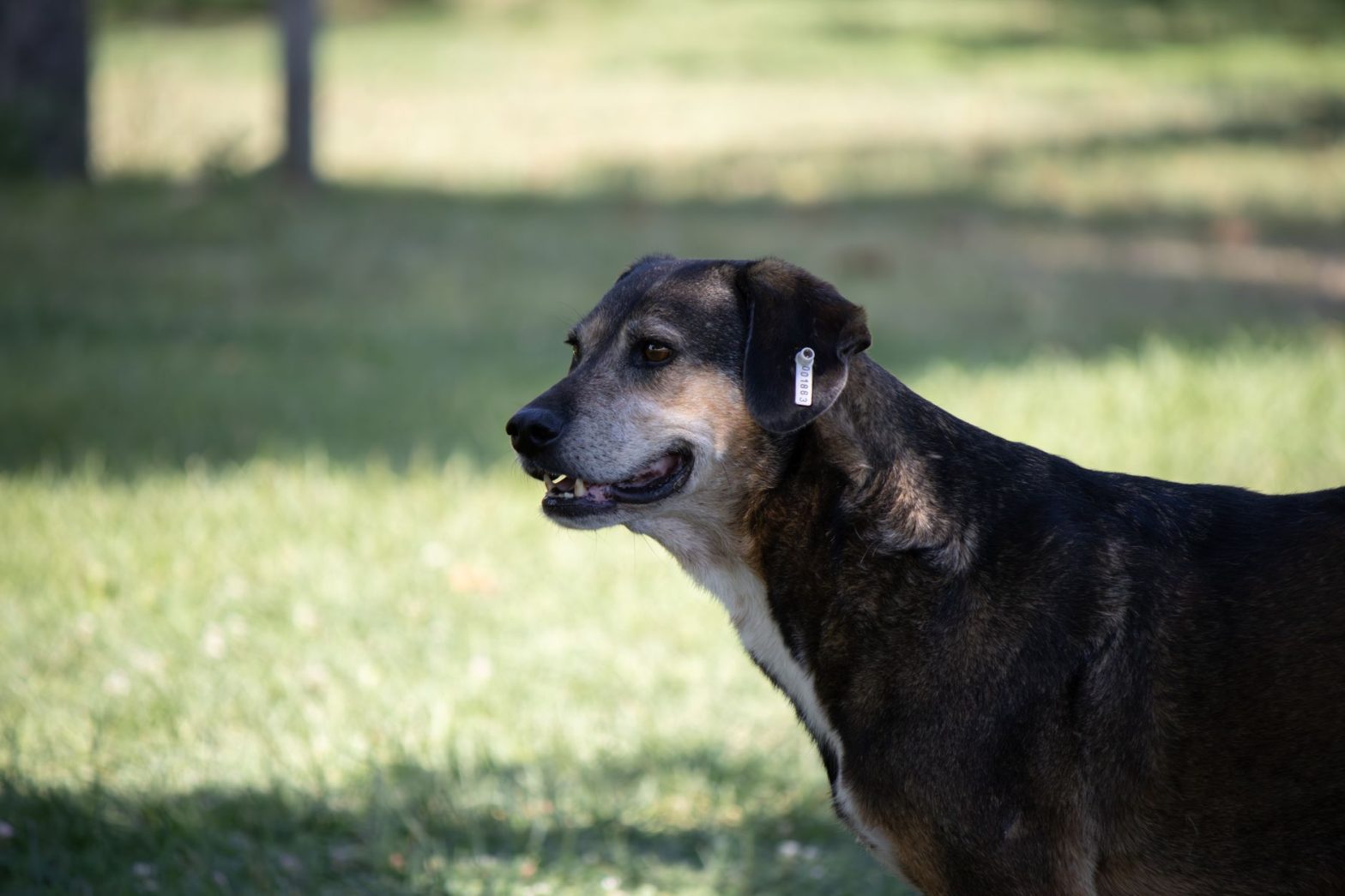
Which Pet ID Tag Materials Are Most Durable in 2026?
Stainless steel and brass offer the best durability, lasting over five years without fading or breaking under heavy daily pet activity.
When I’m out training in the field, I see a lot of tags that have become completely illegible over time. After years of watching dogs run through brush and cats scramble over fences, I’ve found that material choice dictates longevity more than anything else.
Is Stainless Steel the Best Option for Active Dogs?
Stainless steel is the top choice for active dogs because it resists deep scratches, rust, and oxidation even during rough outdoor play.
I always recommend stainless steel for my clients with high-energy dogs. It doesn’t corrode when exposed to water or mud, meaning that crucial contact information stays readable even after a rainy hike.
- Virtually impossible to bend or break
- Resistant to rust in saltwater or wet conditions
- Engraving stays crisp for the life of the tag
- Affordable replacement costs if lost
Why Choose Brass for Your Pet’s ID Tag?
Brass is a fantastic choice for pets because it is incredibly strong and develops a classic patina that keeps engraving depth visible.
Brass is slightly softer than steel, but it is much heavier and feels more premium. For a large dog, the weight is rarely an issue, and the natural metallic look stands out beautifully against most fur colors.
How Do You Ensure Your Pet ID Tag Remains Legible?
Deep laser engraving or stamped metal ensures that your phone number and address remain readable for at least five full years of use.
I’ve seen many owners buy tags with surface printing, only to have the numbers rub off within six months. As a dog trainer, I emphasize that if the finder can’t read the tag, it might as well not be there at all.
Does Laser Engraving Last Longer Than Stamping?
Laser engraving provides higher detail and remains legible much longer than traditional stamping because the text is etched into the metal.
When I review gear, I look for depth in the engraving. You want a tag where you can feel the grooves of the letters with your fingernail; that ensures that even if the surface gets scratched, the information remains intact.
Should You Include Your Address on the Tag?
Including your full address on a pet ID tag is usually unnecessary and may compromise privacy, so focus on phone numbers instead.
In modern practice, I tell my clients to prioritize two working phone numbers over an address. Most people today are comfortable calling or texting a number to return a pet, and it saves you from having to replace tags when you move homes.
What Are the Best Silent Pet ID Tag Options?
Slide-on or silicone-based silent ID tags eliminate jingling sounds entirely while keeping your contact information securely in place.
Many cat owners and noise-sensitive dog owners tell me the jingling sound of metal tags is a real frustration. Fortunately, the accessory market has caught up with much quieter alternatives.
Are Silicone Tags Effective for Cats?
Silicone ID tags are ideal for cats because they are lightweight, do not dangle, and remain completely silent during their daily activities.
If you’re looking for gear for your cat, check out our guide on safe cat travel accessories to keep them secure. Cats especially benefit from tags that don’t get caught on furniture or trees.
How Do Slide-On Tags Compare to Traditional Dangle Tags?
Slide-on tags attach directly to the collar band, preventing the risk of them getting snagged or tangled during vigorous pet play.
I find slide-on tags are incredibly secure for dogs who love to wrestle. Because they sit flat against the collar, they are far less likely to be lost in the woods compared to traditional split-ring tags.
Frequently Asked Questions About Pet ID Tags
-
Do I really need a GPS tracker if I have an ID tag?
Yes, ID tags provide immediate local contact info, while GPS trackers offer real-time location data if your pet travels beyond your reach.
-
Can I put my dog’s name on the ID tag?
You can, but it is not required; prioritize your phone number as the most critical piece of information for a quick recovery.
-
What should I do if my pet’s tag is damaged?
Replace the tag immediately if the engraving becomes difficult to read, as legibility is the primary function of any pet ID tag.
-
Are there special tags for dogs with anxiety?
Yes, consider tags that include medical alerts, and see our anxiety and stress hub for gear to keep them calm.
-
How often should I check my pet’s collar and tag?
Inspect the split ring for wear every month to ensure the tag doesn’t fall off during a walk, as these rings can weaken over time.
Remember that a tag is only part of the safety puzzle. If you are prepping for trips, don’t forget to review our travel and adventure gear to ensure your pet is ready for any outing.
— Lucy Hartwell CPDT-KA, Certified Professional Dog Trainer