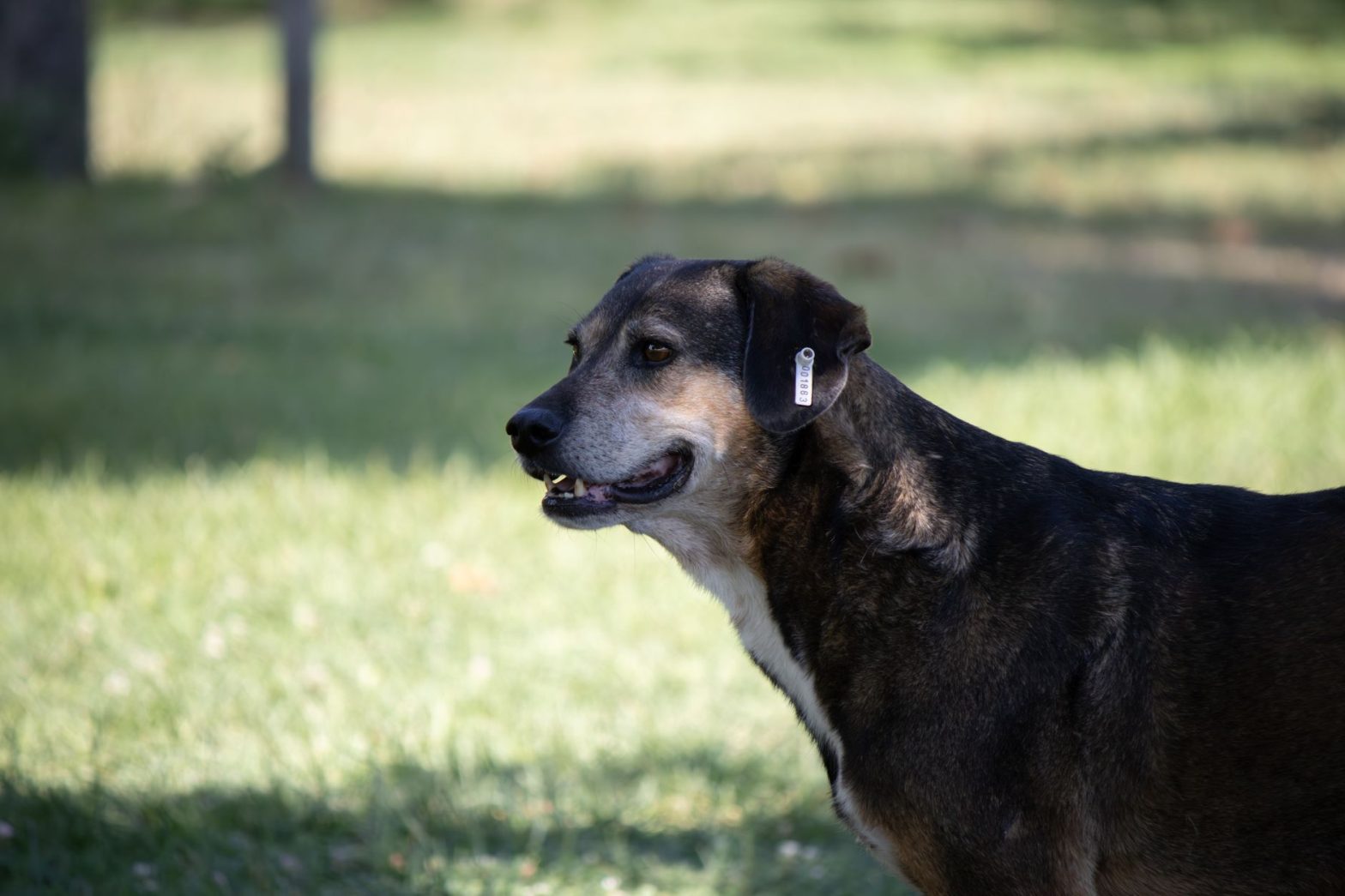
Pet ID tags are essential safety devices that provide immediate contact information, helping to reunite lost pets with their owners within minutes of recovery. Because these tags are worn 24/7, choosing a design that balances weight, material longevity, and ease of reading is critical for your pet’s safety and comfort.
⚡ In a Rush? Key Takeaways
- Stainless steel tags last 5+ years without fading or developing rust
- Silicone slide-on tags reduce noise by 100% compared to hanging metal tags
- Double-sided engraving ensures contact numbers remain readable for over 1,000 days
- Avoid tags weighing over 0.5 ounces for cats or dogs under 15 pounds
- ✅ Best overall: Deep-engraved, slide-on stainless steel tags for daily safety
Which Pet ID Tag Material Lasts the Longest?
Stainless steel and high-grade titanium are the longest-lasting pet tag materials, resisting rust and deep scratches for many years.
Is Stainless Steel Better Than Aluminum?
Stainless steel is significantly harder and more corrosion-resistant than aluminum, making it the superior choice for active pets.
During my time training dogs, I have seen far too many aluminum tags become illegible within a year due to constant contact with leash clips. Aluminum is soft, meaning it dents easily and the engraving depth is quickly lost to wear and tear.
Stainless steel offers a much higher degree of durability for pets that enjoy swimming or rough play. If you want a tag that survives years of daily adventures, stainless steel is the professional standard for longevity.
- Stainless steel resists oxidation and rust entirely
- Aluminum tags often lose engraving clarity within 12 months
- Titanium is lighter but significantly more expensive
- Brass provides a classic look but requires regular polishing
Are Silicone ID Tags Safe for My Pet?
Silicone slide-on tags are perfectly safe for pets, offering a silent, snag-free alternative that stays securely on the collar.
Silicone tags that slide directly onto the collar are a game-changer for households that dislike the jingle of metal tags. Because they sit flat against the collar strap, there is zero risk of the tag getting caught on fences or crates while your pet is unsupervised.
They are also excellent for sensitive pets that may be startled by the sound of metal clinking against their food bowl. These are a great companion to your essential pet gear collection to ensure constant identification.
How Do I Choose the Right Tag Size for My Pet?
Pet ID tags should weigh less than 5% of your pet’s body weight to ensure comfort and prevent interference with their natural gait.
How Much Should a Pet ID Tag Weigh?
Keep tag weight below 0.5 ounces for small pets and under 1 ounce for large dogs to prevent discomfort and neck strain daily.
Weight is often overlooked, but it matters immensely for small breeds and senior cats who may already struggle with mobility. Heavy, oversized brass plates can cause neck fatigue or even subtle changes in how your dog holds their head.
If you are worried about comfort, consider using the same logic as I use when selecting a harness for a dog with a bad back; lighter is almost always better. Keep the profile low and the materials lightweight to ensure your pet forgets it is even there.
Which Tag Shape Works Best?
Circular or bone-shaped tags are standard, but custom-fit slide-on tags offer the most secure profile for avoiding snagging hazards.
Choosing a shape often comes down to personal preference, but functionality should lead the decision. Rounded edges on metal tags help prevent wear on the collar strap itself.
For cats or energetic pups, a slide-on tag that matches the collar width is the safest design available. It stays firmly in place, reducing the chance of the tag dragging through food or water bowls during mealtime.
What Essential Information Belongs on an ID Tag?
Include your pet’s name, your primary mobile number, and your city or state to ensure you can be contacted quickly if found lost.
Should I Include My Full Home Address?
Avoid putting your full home address on a tag to protect your privacy and ensure your phone number remains the focus for recovery.
I always advise clients that a phone number is the only critical piece of information for a quick return. While an address might seem helpful, keeping your contact details concise allows for larger, more legible font sizing on the tag.
If you want to add extra safety measures, remember that a reliable GPS tracker is far more effective for active recovery than an address printed on a tag.
How Do I Ensure the Engraving Stays Readable?
Deep-laser or machine-engraved tags stay legible for years, whereas surface-printed or adhesive-backed tags fade within months.
| Tag Type | Durability | Readability |
|---|---|---|
| Machine Engraved | High | Excellent |
| Laser Etched | High | Very Good |
| Printed/Painted | Low | Poor |
Frequently Asked Questions
-
Are Pet ID Tags a Substitute for Microchipping?
No, ID tags and microchips serve different purposes; tags provide immediate contact, while chips offer a permanent, backup identity.
-
Can I Put a Phone Number on a Silicone Slide-on Tag?
Yes, most modern silicone tags have the contact information printed or embossed directly into the material for permanent readability.
-
How Often Should I Replace My Pet’s ID Tag?
Inspect tags annually for wear; replace immediately if any numbers become illegible or the attachment ring shows signs of thinning.
-
Is It Better to Use a Ring or a Clip for Tags?
Use a split steel ring for permanent attachment; clips are easier to swap but can accidentally open during vigorous activity.
When you invest in quality identification, you are providing a safety net that operates 24/7. My best advice is to check the legibility of your pet’s tag every time you groom them. A tag is only helpful if the person who finds your dog can read the number.
— Lucy Hartwell CPDT-KA, Certified Professional Dog Trainer