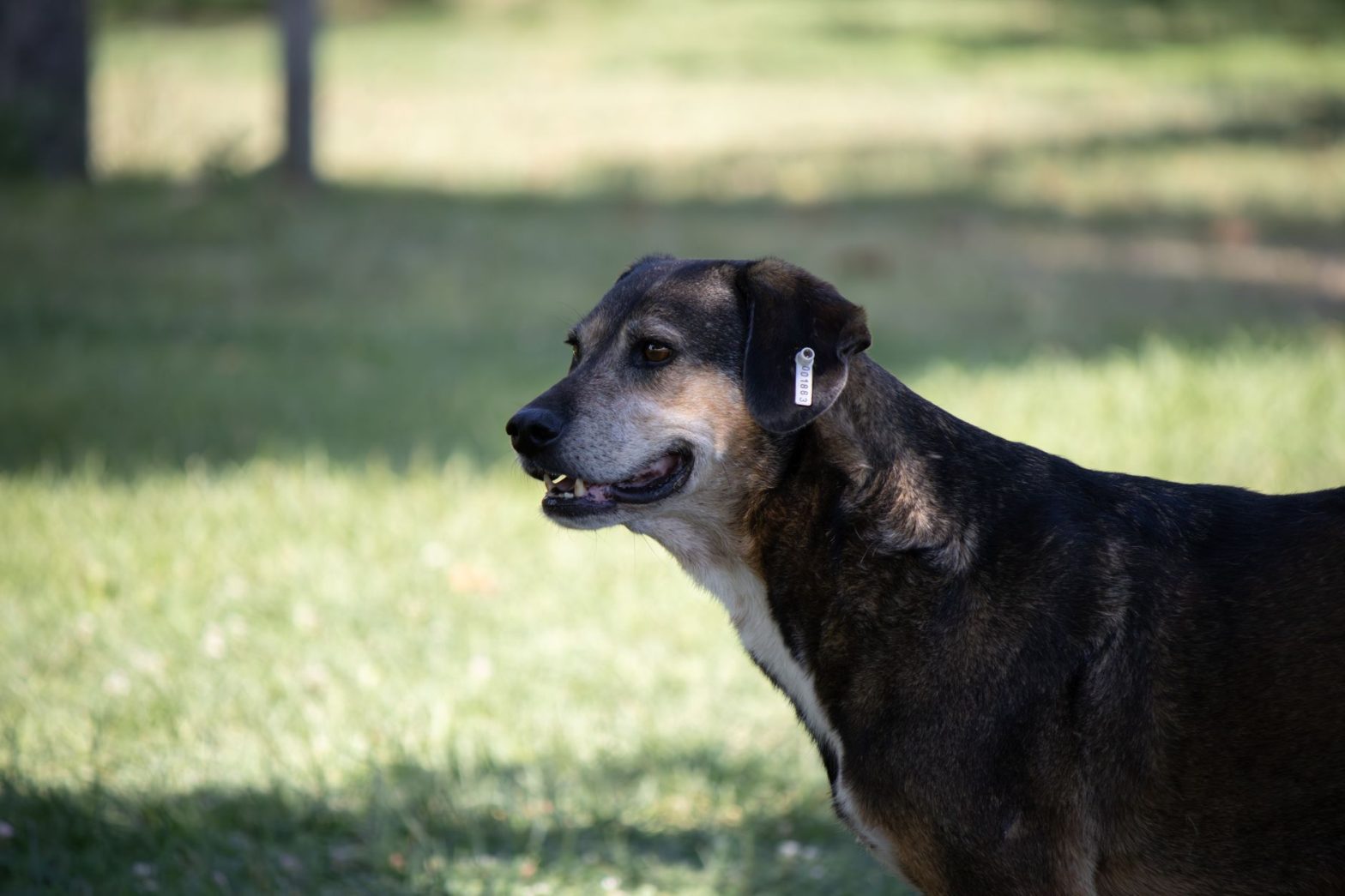
Pet ID tags serve as the primary link between a lost dog and their home, providing instant contact information to anyone who finds them. Every dog needs an up-to-date tag securely attached to their collar at all times, regardless of whether they are microchipped or confined to a fenced yard.
⚡ In a Rush? Key Takeaways
- Most lost dogs are reunited with owners within 2 hours if they wear a readable tag.
- Stainless steel tags last 5+ years longer than aluminum options in harsh weather.
- Over 90% of shelters scan for microchips, but a physical tag is 100% immediate.
- Silicone slide-on tags reduce noise by 100% compared to traditional hanging metal tags.
- ✅ My top pick for durability remains a laser-engraved, recessed stainless steel tag.
Why Are Pet ID Tags Essential for Safety?
Pet ID tags provide an immediate, low-tech way to identify a lost animal without requiring specialized scanners or databases.
Do Microchips Replace the Need for an ID Tag?
Microchips are internal, permanent ID, but they are not a substitute for visible tags that strangers can read instantly on the street.
While I strongly advocate for microchipping every dog, it requires a scanner at a vet or shelter to access your data. A physical tag allows a neighbor or passerby to call you directly, which often results in your dog never leaving the neighborhood. For advice on other essential pet accessories, check my full toolkit guide.
- Tags allow immediate phone contact for the finder.
- Microchips require transport to a facility with a scanner.
- Visible tags warn strangers of specific needs like medical issues.
What Information Should I Put on My Dog’s Tag?
The most critical information for a pet ID tag is your current mobile phone number, followed by your dog’s name and city.
I recommend keeping it simple to ensure the text remains large enough to read quickly. Avoid putting your home address on the tag for security reasons, especially if you have a large or high-value breed.
| Include | Skip |
|---|---|
| Owner Name | Home Address |
| Mobile Phone | Pet’s Birthday |
| City/State | Social Security # |
Which ID Tag Materials Last the Longest?
Stainless steel and brass are the most durable materials for dog tags, resisting rust and deep scratches over many years of use.
Are Aluminum Tags Worth the Low Cost?
Aluminum tags are very inexpensive but tend to wear down quickly, with engraving becoming illegible in less than two years.
While aluminum is light, it is a soft metal that suffers from “tag rub” when clinking against other metal attachments. If you live near the ocean or in a rainy climate, aluminum can corrode significantly faster than coated steel. For more tips on managing senior dog comfort, keep an eye on how heavy tags affect their neck.
Why Choose Silicone or Rubber Slide-On Tags?
Silicone slide-on tags attach directly to the collar, eliminating noise and preventing the tag from getting caught on fence wires.
These are my favorite option for dogs that have sensory sensitivities or for owners who hate the “jingle” sound. Because they are flush against the collar, they are significantly more durable than hanging tags that swing and bang against crate doors.
How Do I Prevent My Dog’s Tags From Making Noise?
You can silence noisy tags by using silicone covers, switching to slide-on style plates, or attaching them with durable rubber loops.
Are Tag Silencers Effective for Metal Tags?
Tag silencers are small rubber rings that wrap around the edge of a standard tag to prevent metal-on-metal clinking sounds effectively.
They work well for standard round tags but do require occasional replacement as the rubber eventually dries out or cracks. Using these in conjunction with high-quality gear helps manage general anxiety symptoms caused by constant clicking sounds in the home.
What About Using Riveted Plates on Collars?
Riveted plates are permanent, silent metal tags attached directly to the collar fabric and cannot be removed by the dog or caught.
These offer the highest level of security and silence. Just remember that if you change collars, you will need to purchase a new plate or transfer the old collar, which makes them less flexible for frequent gear changes.
What Are the Best Ways to Attach a Tag to a Collar?
The most secure and quiet attachment methods use split rings, S-hooks, or integrated slide-on plates, each with trade-offs in ease of use and durability.
Split rings are the most common hardware; they’re inexpensive and allow quick tag swaps, but can open accidentally if the dog plays rough. S-hooks provide a more secure closure that resists opening, yet they can snag on branches or crate wires if not positioned correctly. Integrated slide-on plates eliminate hardware entirely, offering a permanent, silent solution, but require replacing the entire plate if you change collars or need to update information.
Frequently Asked Questions
-
How often should I update the info on my pet’s tag?
Check your pet tag info every time you move or change your phone number, or at least annually during your dog’s yearly vet check.
-
Can my dog’s tag cause a collar to get stuck?
Yes, traditional hanging tags can catch on fences or crates, so use slide-on tags or breakaway collars if leaving dogs unsupervised.
-
What is the most readable font for pet tags?
Block fonts like Arial or Helvetica in all caps are the easiest for people to read quickly if they find your lost dog outdoors.
— Lucy Hartwell CPDT-KA, Certified Professional Dog Trainer