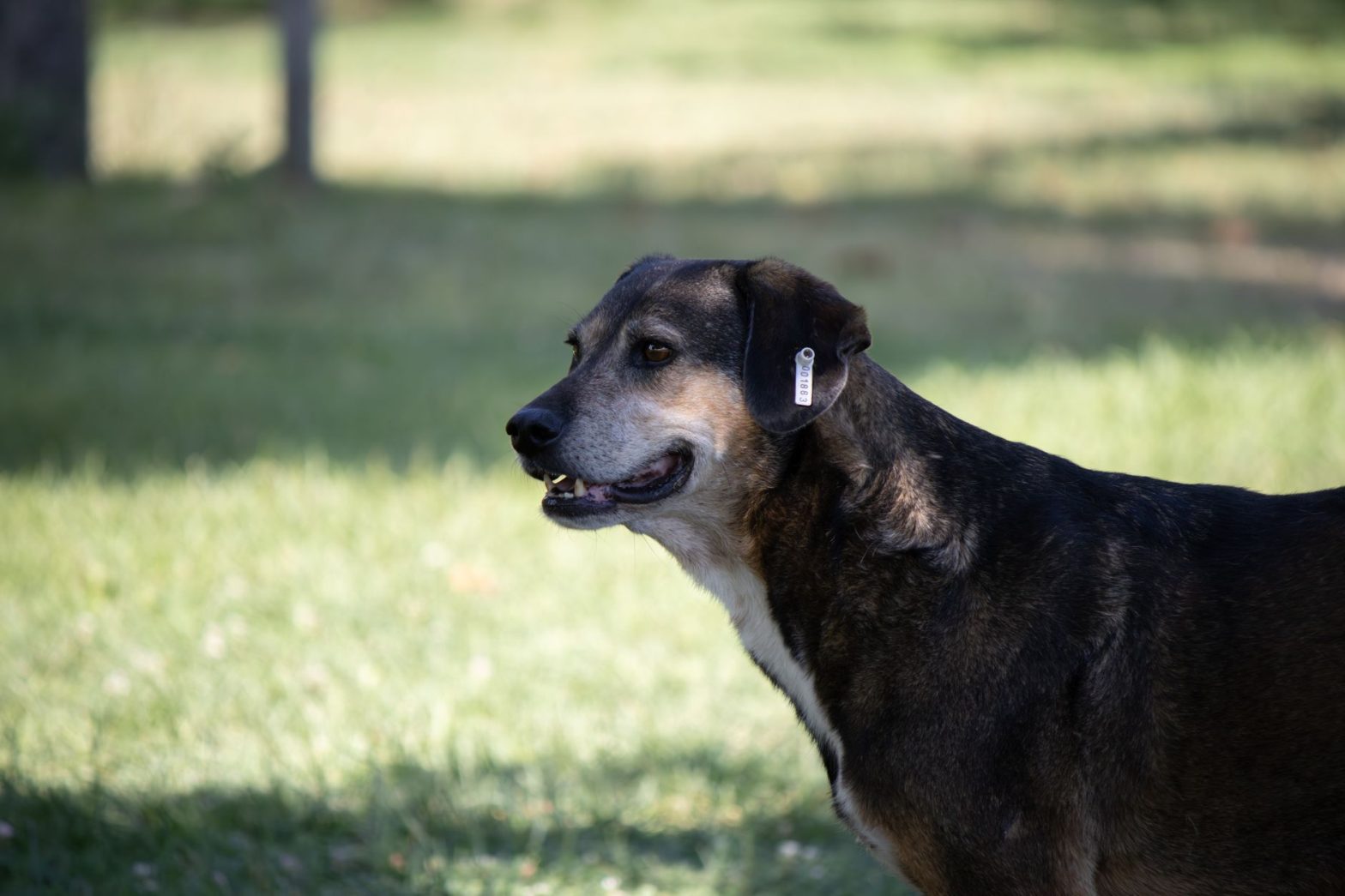
Pet ID tags are essential safety accessories that must feature your current phone number, your dog’s name, and any urgent medical needs to ensure a fast reunion if your pet gets lost. Even with a microchip, a visible tag is the quickest way for a neighbor or stranger to contact you without needing a trip to a vet or animal shelter.
⚡ In a Rush? Key Takeaways
- Stainless steel tags last 5+ years longer than aluminum options in active dogs.
- Over 90% of lost dogs are returned home within hours if they have a visible phone number.
- Silencer tags reduce metallic jingling by 100%, perfect for dogs sensitive to noise.
- Engraved contact info remains legible up to 3 times longer than printed plastic tags.
- My top recommendation for 2026 is a deep-engraved stainless steel riveted tag.
What Makes a Pet ID Tag Reliable in 2026?
A reliable ID tag must feature deep-set laser engraving, corrosion-resistant metal like stainless steel, and a secure attachment ring.
Why Does Material Durability Matter for Daily Wear?
Stainless steel resists rust and bending, ensuring your contact details remain perfectly readable after years of heavy daily use.
I have lost track of how many aluminum tags my Beagle, Biscuit, has chewed or scraped blank against fence posts. If the metal is too soft, the information you paid for will disappear within months.
When selecting a tag, prioritize materials that survive the elements. Your dog is rolling in mud, swimming, and running through brush; the tag needs to handle that level of wear.
- Stainless steel: Extremely durable and rust-proof.
- Brass: Attractive but requires frequent polishing.
- Aluminum: Lightweight but prone to scratching and fading.
- Plastic: Cheapest option but often breaks at the attachment point.
How Important is the Method of Engraving?
Laser engraving provides the deepest, clearest contrast, ensuring that your phone number stays readable even after years of friction.
Older engraving methods often just scratch the surface of the metal, which wears away quickly. Laser engraving cuts deep into the material to create a permanent mark.
For more advice on keeping your dog secure, check out my best GPS dog collars for escape artists article. Combining GPS with a solid ID tag is the ultimate safety net.
How Do You Prevent Annoying Tag Jingling?
Silicone tag covers or direct-to-collar slide-on tags eliminate the constant metallic jingling noise during your daily dog walks.
Are Slide-on Tags Better Than Hanging Tags?
Slide-on tags attach flat against the collar, preventing them from catching on objects or making noise during your dog’s activity.
If you prefer a sleek setup, these tags are unbeatable. Because they don’t dangle, they are much harder for your dog to snag on branches or chew on when they are bored.
My French Bulldog, Fig, actually stopped trying to reach for her tag once I switched her to a slide-on style. It feels like part of the collar rather than an dangling accessory.
Do Silicone Tag Silencers Actually Work?
Silicone silencers are durable rubber loops that wrap around hanging tags to stop the clinking noise against water bowls and metal.
These are a great budget-friendly fix for your existing tags. They provide a protective bumper that prevents the tag from getting scratched by other items on the collar.
Proper gear makes a huge difference in your daily routine; see my best no-pull dog harnesses that actually work guide to upgrade your walking setup.
What Information is Mandatory on an ID Tag?
Your tag must display your primary phone number and your dog’s name, while adding medical needs helps in an emergency situation.
Should You Include Your Address on the Tag?
Most trainers recommend omitting your home address to prevent strangers from knowing exactly where your dog lives if lost.
While an address was once standard, modern privacy concerns suggest phone numbers are safer. A simple “Call My Mom” or “Call My Dad” is often sufficient for a stranger to act.
How Should You List Medical Information?
Keep medical notes brief and urgent, such as “I need meds” or “Diabetic,” to alert a finder or veterinarian to take immediate action.
Don’t clutter the tag with complex details. Keep it focused so that anyone finding your dog knows exactly what level of urgency is required.
If you have a senior dog with specific needs, visit my senior dog home audit checklist to ensure your living space is as safe as your tags.
Frequently Asked Questions
-
How often should I check my pet’s ID tag?
Check your tag monthly for legibility and ensure the attachment ring isn’t thinning out or rusting after your dog’s daily play.
-
Can I engrave both sides of a tag?
Yes, most high-quality tag services allow dual-side engraving to fit extra information like medical needs or a secondary phone number.
-
What is the best way to attach a tag?
Use a split steel ring, similar to a keychain, which provides the most secure hold and prevents the tag from falling off during play.