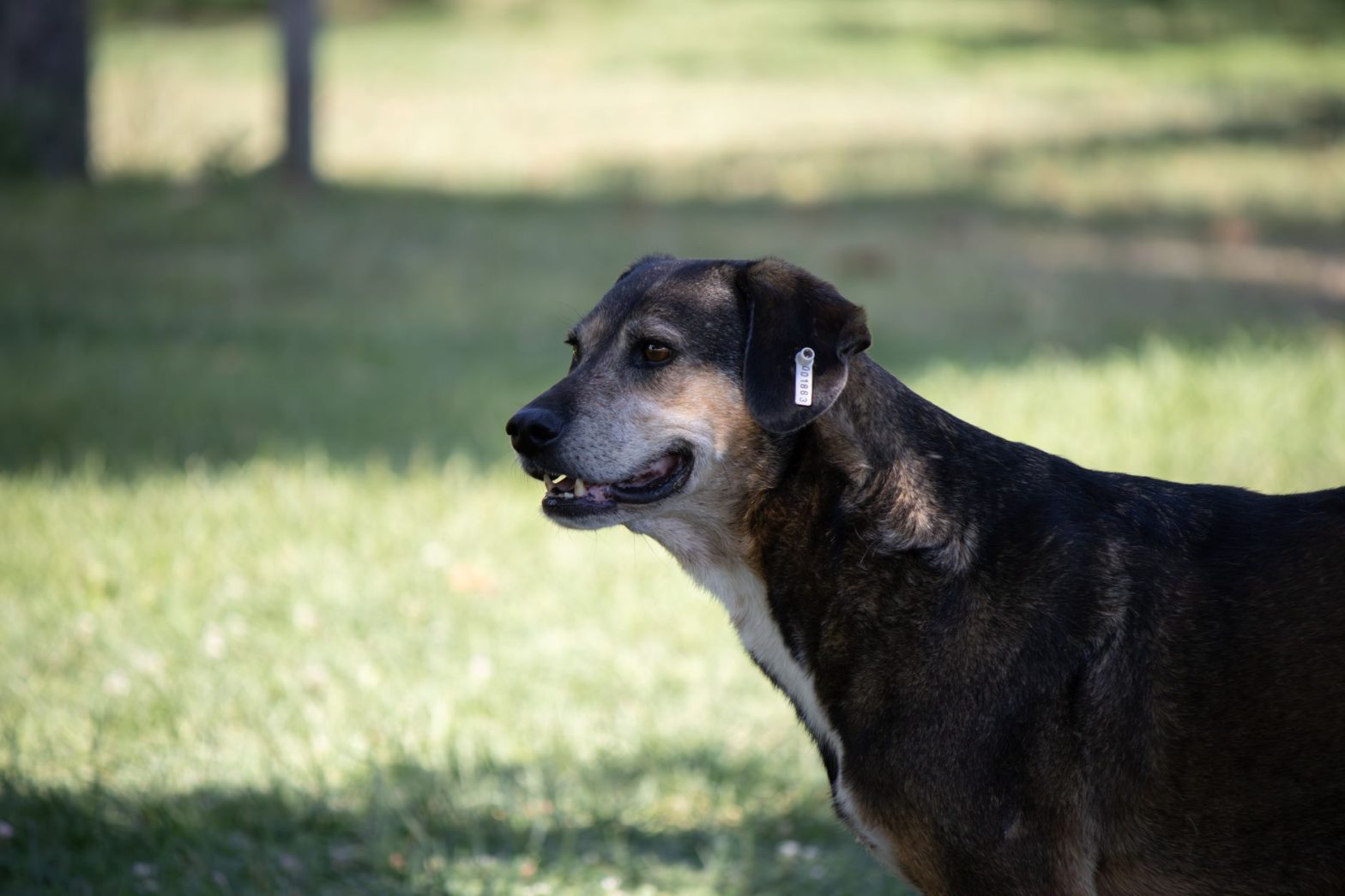
Pet ID tags are essential safety devices that provide immediate contact information to anyone who finds your lost dog or cat. A properly engraved tag ensures your pet can be identified without needing a microchip scanner, significantly reducing the time spent separated from you.
⚡ In a Rush? Key Takeaways
- Stainless steel tags last 5+ years without fading or rusting.
- Silicone silencers reduce 90% of jingling noise from metal tags.
- Over 70% of lost pets wearing tags are returned to owners within 2 hours.
- Always include your phone number and city, not your full home address.
- ✅ Best overall choice: Deep-engraved stainless steel rivet-on tags.
Which Pet ID Tag Material Is Most Durable?
Stainless steel is the most durable pet tag material because it resists deep scratches, corrosion, and rust for over five years.
Is Stainless Steel Better Than Aluminum?
Stainless steel is harder than aluminum and maintains engraving clarity longer because it does not dent or bend during play.
I always steer my training clients toward stainless steel. While aluminum is cheap and lightweight, it often scratches easily, making the phone number unreadable after just a few months of normal wear.
If your dog spends time at the beach, stainless steel is non-negotiable. Saltwater will pit and degrade aluminum tags incredibly quickly compared to high-grade steel.
- Stainless steel: High durability, long-lasting engraving
- Aluminum: Lightweight, prone to scratching and dents
- Brass: Classic look, requires regular polishing to maintain
Why Choose Silicone or Rubber Tags?
Silicone tags are completely silent, won’t rust, and are ideal for dogs who dislike the noise of metal tags hitting bowls.
Some of my clients with noise-sensitive dogs swear by silicone tags. They are excellent because they don’t clink against stainless steel water bowls, which helps keep the home environment calmer.
For more advice on keeping your home environment stress-free for your pet, check out our guide on anxiety and stress management. These tags are also surprisingly tough and rarely crack, even when chewed on occasionally.
What Information Should You Put on an ID Tag?
Include only your current phone number, your pet’s name, and city to ensure quick identification while protecting your privacy.
Do You Need Your Home Address?
Listing your full home address is a safety risk that makes your home a target for theft and reveals your private location.
Please, skip the street address. In today’s digital age, anyone with your full name and address can easily find your social media or other personal details.
A simple “If lost, please call” followed by your number is sufficient for a good samaritan. If you are worried about security, you can learn more about recovery protocols for lost pets.
How Many Phone Numbers Are Necessary?
Include at least two primary phone numbers on the tag to increase the chances of reaching a family member who is available.
| Field | Recommendation |
|---|---|
| Pet Name | Required |
| Primary Phone | Required |
| Secondary Phone | Optional |
| City/State | Recommended |
Are Slide-On Tags More Secure Than Hanging Tags?
Slide-on tags are the most secure option as they cannot snag on fences or branches and always stay positioned for easy reading.
Can Slide-On Tags Fit Any Collar?
Slide-on tags are designed for flat webbing collars, so measure your collar width carefully to ensure a correct, snug fit.
I love these for active dogs who love running through brush. A hanging tag is just waiting to get caught on a branch, which is a major safety hazard.
If you are worried about your dog escaping, you might want to look into harnesses for escape artists to provide an extra layer of protection.
How to Prevent Tags From Getting Lost?
Use a heavy-duty split ring or a rivet-on plate to ensure the tag remains securely attached to the collar during rough play.
Should You Choose Reflective or Glow-in-the-Dark Tags?
Reflective or glow‑in‑the‑dark ID tags improve nighttime visibility, helping strangers spot your pet’s contact info in low‑light conditions.
These tags use either a reflective coating that bounces back car headlights or a phosphorescent material that absorbs light during the day and emits a soft glow after dark. For dogs that are walked early morning or late evening, the added visibility can make the difference between a quick reunion and a prolonged search.
Keep in mind that the reflective or glow layer does not replace durable engraving; the core information should still be laser‑etched or deep‑engraved on a stainless‑steel base to ensure legibility over time. Many manufacturers offer a combo: a stainless‑steel tag with a reflective edge or a glow‑in‑the‑dark silicone overlay.
Frequently Asked Questions About Pet Tags
-
Is an ID tag a replacement for a microchip?
No, a tag and microchip are complementary; the tag offers immediate contact, while the chip provides permanent, unalterable proof.
-
How often should I check the engraving?
Inspect your pet’s tag every three months to ensure the numbers remain legible and the attachment ring has not started to warp.
-
Can I get QR code tags for my pet?
QR tags work well but require the finder to have a smartphone and internet access, so keep a traditional engraved tag as well.
Common concerns include tag legality, maintenance, and visibility, but most issues are resolved by regular checks and quality choices.