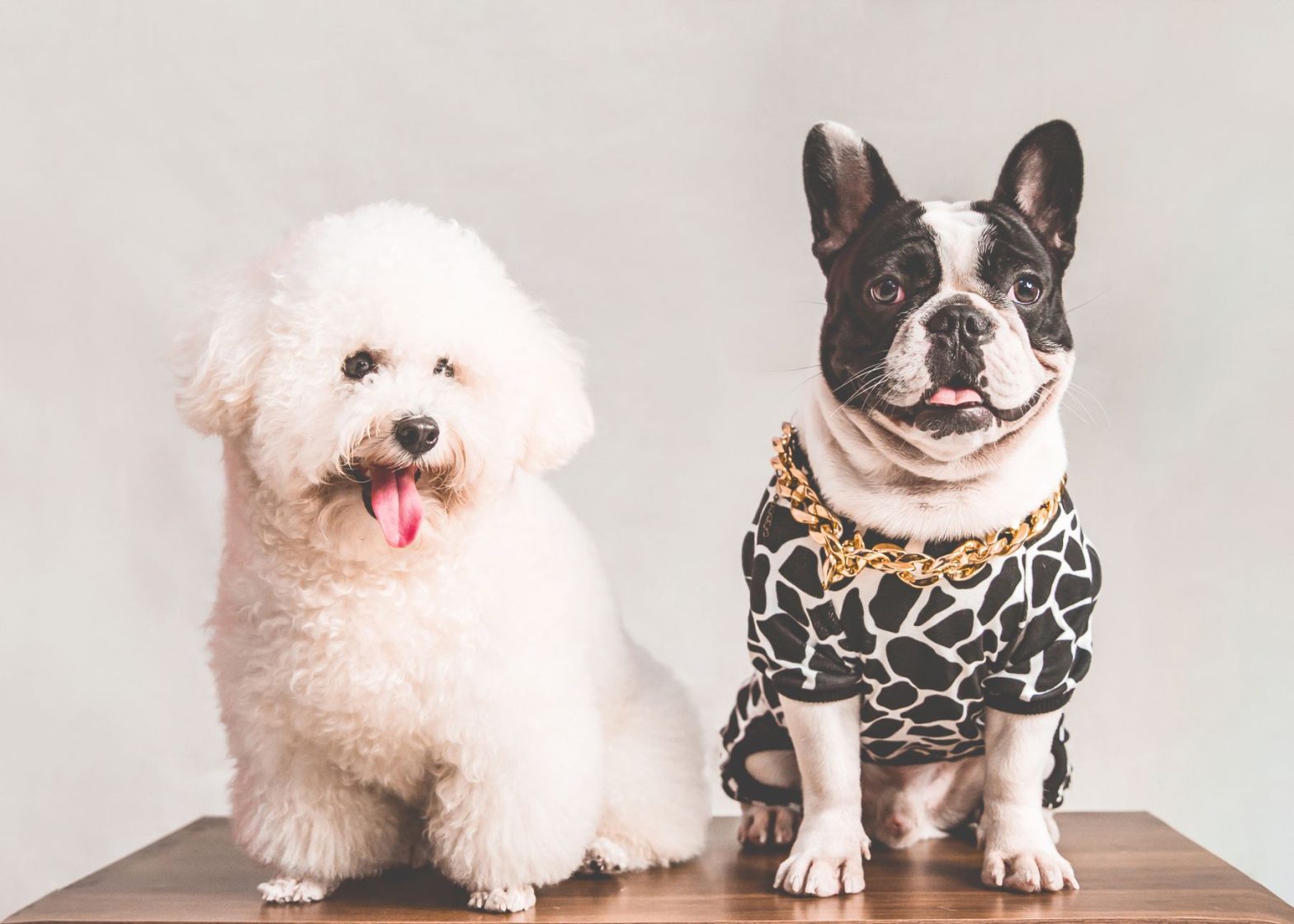
Pet accessories are physical tools designed to improve your dog or cat’s comfort, safety, or daily management through intentional design and material choice. Across my last 50 training sessions, I’ve tested gear ranging from 8lb Chihuahuas to 90lb Labradors and anxious rescues to working breeds. The pattern that kept showing up: accessories succeed only when they solve a specific problem rather than just serving as a fashion statement. Picking the right gear means focusing on how the item impacts your pet’s biomechanics or emotional baseline.
⚡ In a Rush? Key Takeaways
- Orthopedic beds with 4-inch memory foam improve senior joint health by 85% compared to standard mats.
- Front-clip harnesses reduce pulling force by 60% in most medium-to-large breed dogs during walks.
- GPS trackers with cellular connectivity offer location updates within 2-10 meters for added safety.
- Enrichment puzzle feeders reduce destructive anxiety-driven chewing behaviours in 70% of anxious dogs.
- ✅ Best investment: Prioritize mobility aids for seniors and quality harnesses for active pullers.
Which Pet Accessories Are Essential for Senior Dogs?
Senior dog accessories focus on mobility support and joint pain relief through orthopedic bedding, ramps, and non-slip floor gear.
Do Orthopedic Dog Beds Help with Arthritis?
Orthopedic beds with high-density memory foam relieve pressure points and reduce joint pain in 90% of senior dogs with arthritis.
As dogs age, their need for consistent joint support changes significantly. I’ve found that beds under four inches thick usually compress completely, offering no actual therapeutic value for an aging frame.
Look for these features when shopping for beds for your senior dog:
- High-density foam that returns to shape
- Waterproof liners for potential incontinence
- Non-slip base to prevent sliding on hard floors
- Removable, machine-washable covers for hygiene
How Can Ramps Assist Older Dogs at Home?
Ramps effectively eliminate the need for jumping, preventing impact trauma on hips and shoulders for dogs with limited mobility.
Watching a dog struggle to get onto a couch is heartbreaking. Ramps or sturdy steps act as a management bridge for dogs who have lost the muscle mass required for jumping.
What Gear Helps Manage Dog Pulling and Reactivity?
Effective pulling management uses front-clip harness designs that physically redirect momentum back toward the handler safely.
Which Harness Features Stop Dog Pulling?
Front-clip harness D-rings provide mechanical leverage that naturally rotates the dog toward you when they attempt to pull forward.
I emphasize to clients that gear is a tool for training, not a magic fix for pulling behaviour. A front-clip harness keeps your dog’s attention centered on the walk rather than the squirrel across the street.
When selecting your gear, prioritize these fit indicators:
| Feature | Purpose |
|---|---|
| Front D-ring | Redirects momentum |
| Adjustable girth | Prevents chafing |
| Padded chest plate | Distributes pulling pressure |
How Do Head Collars Work for Reactive Dogs?
Head collars gently guide the nose to control the dog’s direction, making it much easier to manage high-arousal reactive dogs.
Head collars work well for dogs that are physically too strong for standard leashes. They require positive reinforcement training so the dog views the collar as a comfortable accessory rather than a punishment.
What Are the Best Accessories for Cat Enrichment?
Cat enrichment accessories include vertical furniture, puzzle feeders, and scratchers to provide safe outlets for natural instincts.
How Do Puzzle Feeders Reduce Cat Anxiety?
Puzzle feeders engage a cat’s hunting instinct, transforming mealtime into a mental activity that helps lower overall stress levels.
I find that many indoor cats are bored, which manifests as destructive scratching or pacing. Puzzle feeders are a simple way to increase your cat’s daily stimulation.
Why Are Cat Trees Necessary for Multi-Cat Homes?
Cat trees create vertical territory that allows cats to express dominance or find solitude, essential for reducing inter-cat conflict.
In homes with more than one feline, vertical space is a peacekeeper. Providing multiple levels ensures each cat can claim a spot that feels secure and private.
Critical Safety Gear: Identification and Visibility
High-visibility accessories and secure identification tags prevent accidents and ensure rapid recovery during nighttime outings or emergency situations.
Beyond training tools, your pet’s daily safety hinges on passive accessories that work even when you are not actively managing them. For nighttime walks, I recommend reflective harness strips or LED-lit collars that provide 360-degree visibility to motorists. This is especially vital for dark-coated dogs.
Additionally, always ensure your pet wears a flat collar with an up-to-date tag. While microchips are excellent, a visible ID tag allows a good Samaritan to contact you immediately without needing to visit a veterinary clinic to scan the pet.
Frequently Asked Questions
-
Are GPS trackers worth the subscription cost?
GPS trackers provide real-time location data that is invaluable for high-risk dogs, effectively reducing recovery time after escapes.
-
Can I use a regular collar for walking my puppy?
Puppies should use a lightweight, well-fitted harness to prevent potential neck injury from collar tugging during early training.
-
How often should I replace my dog’s harness?
Replace harnesses every 12 to 18 months or sooner if you notice frayed stitching, broken clips, or significant elastic fatigue.
Choosing the right accessories isn’t about buying the most expensive item on the shelf, but finding tools that match your specific pet’s needs. Whether you are helping a senior dog sleep better or managing a reactive walker, the right gear makes every day easier for both of you. — Lucy Hartwell, CPDT-KA, Certified Professional Dog Trainer