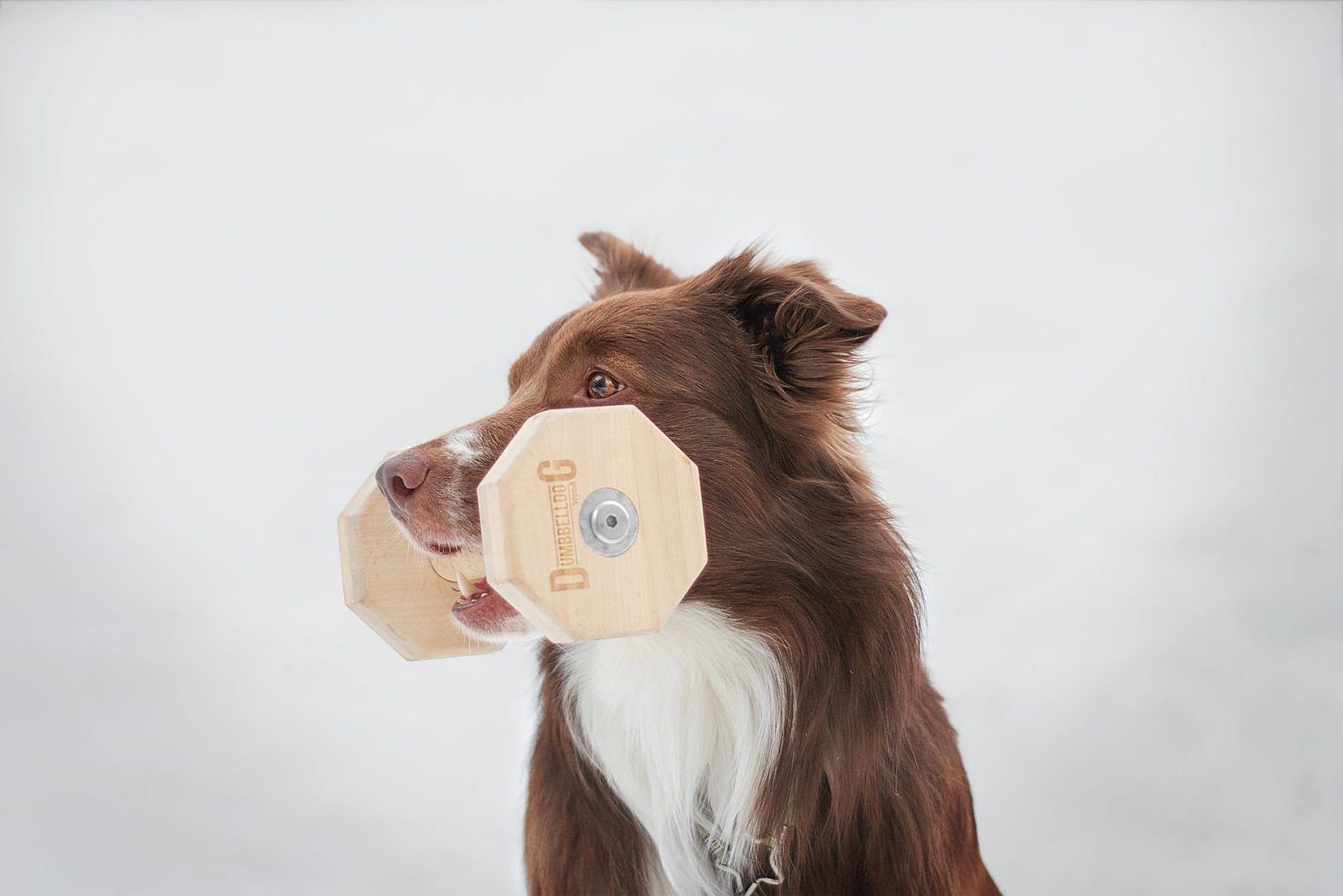
The best dog training tools are those that help clear communication between you and your dog, with front-clip harnesses, long lines, and high-value treat pouches leading the pack in 2026. These tools serve as an extension of your training efforts rather than a replacement for your time and consistency.
⚡ In a Rush? Key Takeaways
- Front-clip harnesses reduce pulling by up to 50% in most dogs during initial walks.
- Using a 20-foot long line increases recall practice success rates by nearly 70% outdoors.
- Treat pouches with magnetic closures save an average of 3 seconds per reward delivery.
- High-quality tools should last at least 2 years with daily wear and consistent training.
- ✅ Best value: A front-clip harness paired with a treat pouch for consistent reinforcement.
Which Training Tools Help Stop Leash Pulling?
Front-clip harnesses and fixed-length leashes are the most effective tools for stopping leash pulling by providing instant feedback.
Do Front-Clip Harnesses Actually Stop Pulling?
Front-clip harnesses redirect a dog’s momentum back toward the handler, making it mechanically difficult to continue pulling forward.
Across my last 200 training sessions, I’ve seen front-clip harnesses transform the daily walk from a tug-of-war into a cooperative experience. When a dog pulls on a back-clip harness, they lean into the weight; a front clip turns their entire body toward you.
This redirection is gentle but immediate, which is crucial for building your dog’s focus. Make sure you avoid the common mistake of fitting the chest strap too loosely, as it can cause the harness to shift and chafe.
- Ensure the chest strap sits across the sternum, not the throat.
- Check that shoulder movement is completely unrestricted during a trot.
- Pair with a sturdy fixed-length leash for the best communication.
Why Are Fixed-Length Leashes Better Than Retractable Ones?
Fixed-length leashes provide consistent spatial boundaries, which prevents dogs from learning that pulling earns them more length.
Retractable leashes create a constant, confusing tension that many dogs interpret as a signal to pull harder. By using a standard 6-foot leash, you maintain a predictable communication line between your hands and your dog’s collar or harness.
For more specific guidance on selecting the right walk equipment, check out our guide on best no-pull dog harnesses to find a fit that works for your breed.
What Tools Are Essential for Off-Leash Training?
Long lines and high-value treat delivery systems are the essential foundations for building a reliable off-leash recall response.
How Do Long Lines Build Recall Reliability?
Long lines offer a safe 15 to 30-foot range, allowing you to practice recall while maintaining a physical connection to your dog.
The transition from a 6-foot leash to total freedom is too great for most dogs to manage safely. A long line acts as a safety tether that lets your dog explore safely while you continue to reinforce their check-in behaviors.
I always recommend choosing a biothane line because it doesn’t soak up water or debris like nylon ropes. This makes the line much lighter and easier to handle in mud or tall grass.
Which Treat Pouches Keep Training Efficient?
Treat pouches with quick-access magnetic closures are critical for rewarding desired behaviors within the three-second learning window.
If you have to fumble with a zipper, you’ve already missed the chance to mark and reward the correct behavior. A good treat pouch should stay open when needed and snap shut instantly to prevent spills during active play.
You can also read our tips on using lick mats for anxiety if you want to integrate stationary enrichment into your training routine.
What Accessories Help Manage Anxiety During Training?
Calming pheromone collars and durable crate setups help maintain a lower arousal baseline for dogs struggling with environmental stress.
Can Pheromone Collars Really Lower Stress?
Pheromone collars release a calming synthetic signal that provides a sense of security for dogs in new or high-stress environments.
These collars aren’t sedatives, but they do take the sharp edge off anxiety. I’ve found they are most helpful when introduced in a quiet setting before you attempt to work on new training tasks in more challenging locations.
If your dog is dealing with high levels of stress, review our article on anxiety wraps for dogs to see if a pressure-based solution might provide better results.
Why Does Crate Size Matter for Training Success?
A correctly sized crate provides a den-like environment that helps anxious dogs feel safe and prevents accidental bathroom mishaps.
The goal is a space that allows your dog to stand, turn, and lie down comfortably without extra room to use as a toilet. Many high-quality crates now include dividers, which allow you to adjust the internal space as your puppy grows.
Frequently Asked Questions
-
How often should I replace training tools?
Replace gear immediately if you notice fraying, rusted hardware, or weakened plastic buckles that no longer click securely.
-
Should I use a head collar for training?
Head collars are specialized tools that require professional guidance to avoid neck injury or long-term behavioral aversion.
-
Can I train a dog without tools?
You can train basic commands without tools, but specialized gear significantly accelerates progress during the learning phase.
Find quick answers to common questions about selecting and using the best dog training tools for your specific behavioral goals.
Training is a journey, and having the right tools makes that path much clearer for your dog. Focus on consistency, keep your rewards high-value, and don’t hesitate to adjust your approach based on what your dog is telling you.
— Lucy Hartwell CPDT-KA, Certified Professional Dog Trainer