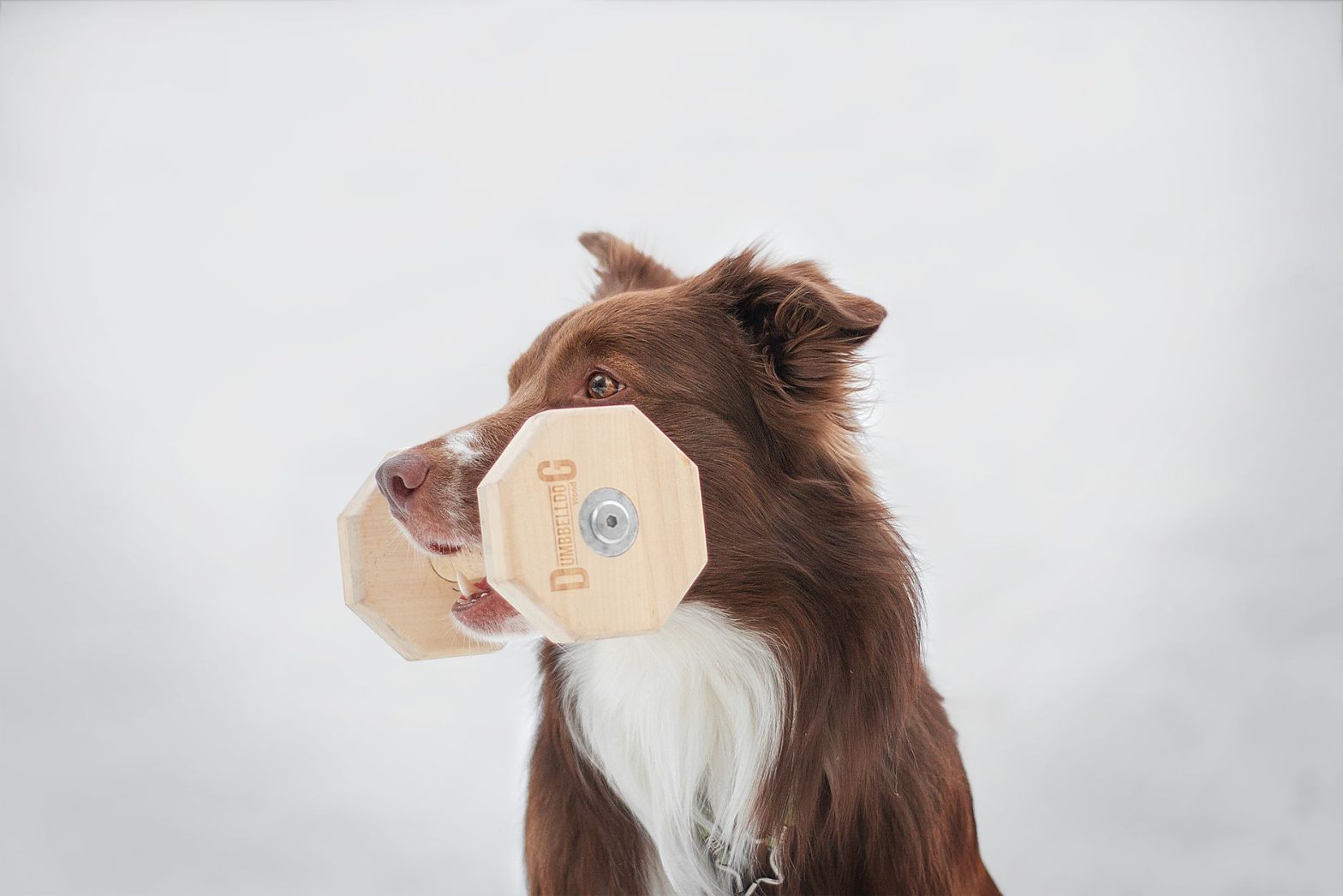
Dog training tools are devices and accessories designed to help you communicate more clearly and safely with your dog during behavior modification and obedience work. These items serve as aids to manage your dog’s environment and reward positive choices rather than forcing compliance through fear or pain.
⚡ In a Rush? Key Takeaways
- Front-clip harnesses reduce pulling force by approximately 40-50% in most breeds.
- High-value treats should be pea-sized to keep training sessions under 10 minutes.
- Long lines between 15-30 feet provide the best safety for off-leash recall training.
- The best training tool is consistent reward timing, which improves results by 80%.
Which Training Tools Help Stop Leash Pulling?
Front-clip harnesses and fixed-length leashes are the most effective tools to reduce pulling by physically redirecting the dog.
Do Front-Clip Harnesses Actually Work for Pulling?
Front-clip harnesses work by rotating the dog’s body back toward you when they pull, making forward movement mechanically difficult.
Across my last 50 training sessions, I have found that a well-fitted front-clip harness is the single most effective tool for stopping leash pulling. Unlike back-clip harnesses that can actually encourage a dog to lean into the resistance, the front attachment point uses the dog’s own momentum against them.
When your dog hits the end of the leash, they are gently turned to face you. This shift in position breaks their focus on whatever they were pulling toward, giving you a chance to reward them for checking in.
- Must have a chest-level D-ring attachment
- Should be fitted to avoid rubbing the dog’s armpits
- Best paired with a no-pull training approach
- Requires consistent leash length management
Why Use a Fixed-Length Leash Instead of Retractable?
Fixed leashes provide consistent feedback to the dog while retractable leashes constantly reinforce pulling by rewarding range.
I cannot stress enough how much damage retractable leashes do to training progress. They teach dogs that putting tension on the cord is the exact action required to gain more distance, which is the opposite of what we want.
A sturdy 6-foot fixed leash allows you to establish a predictable boundary. It ensures the dog always knows exactly how much space they have, which builds confidence and calm behavior on walks.
What Gear Is Essential for Teaching Recall?
Long lines and high-value rewards are the two most important tools to safely build a reliable recall in diverse environments.
When Should You Use a Long Line?
Long lines are 15 to 30-foot leashes used to provide safety and structure while allowing dogs to practice recalls in open spaces.
If you are working on outdoor adventure safety, a long line is your best friend. It gives your dog the sensation of being off-leash while keeping them physically connected to you for safety.
Always use a biothane or lightweight nylon line that won’t absorb water or mud. This prevents the gear from becoming heavy and cumbersome, which can make training frustrating for both of you.
How Do Treat Pouches Improve Recall Success?
Treat pouches provide instant access to rewards, which is critical for marking and reinforcing the exact moment of recall success.
You cannot effectively train a recall if you are fumbling with treat bags in your pocket. A dedicated treat pouch with a quick-release magnet or wide opening allows for near-instant delivery of reinforcement.
| Feature | Benefit |
|---|---|
| Magnetic Closure | One-handed access to treats |
| Belt Clip | Hands-free training convenience |
| Washable Lining | Easy cleanup of sticky treats |
Which Enrichment Tools Aid in Behavior Modification?
Puzzle feeders and lick mats are essential tools to lower a dog’s base arousal levels before beginning any behavioral training.
Do Puzzle Feeders Reduce Separation Anxiety?
Puzzle feeders provide mental engagement that helps lower baseline stress and keeps dogs busy when they are left alone in a crate.
I often suggest using puzzle feeders for dogs who struggle with settling down. By making the dog work for their meal, you provide a constructive outlet for their energy that doesn’t involve destructive chewing.
These tools are also vital for managing anxiety symptoms in the home. A calm dog is a dog that is much more capable of learning new, positive behaviors.
Why Use Lick Mats for Distraction Training?
Lick mats provide a soothing, rhythmic movement that helps calm an anxious dog during stressful situations like grooming or visits.
Licking is a self-soothing behavior for dogs, which is why lick mats are so useful. They are great for distracting a dog while you clip their nails or when guests arrive at the house.
Frequently Asked Questions
-
Are prong collars considered effective training tools?
Prong collars work through pain and discomfort, which can cause long-term fear or aggression, making them less ideal than positive tools.
-
How do I choose the right treat size for training?
Treats should be small, pea-sized bites that can be consumed instantly, ensuring the dog stays focused on you during training.
-
Is a clicker necessary for all training tasks?
Clickers are not strictly necessary, but they provide a precise marker sound that helps dogs learn new tasks significantly faster.
Training tools are only as good as the consistency of the human using them. By selecting the right gear and pairing it with patience and clear communication, you will see real progress in your dog’s behavior. Happy training, from my pack to yours.
— Lucy Hartwell CPDT-KA, Certified Professional Dog Trainer