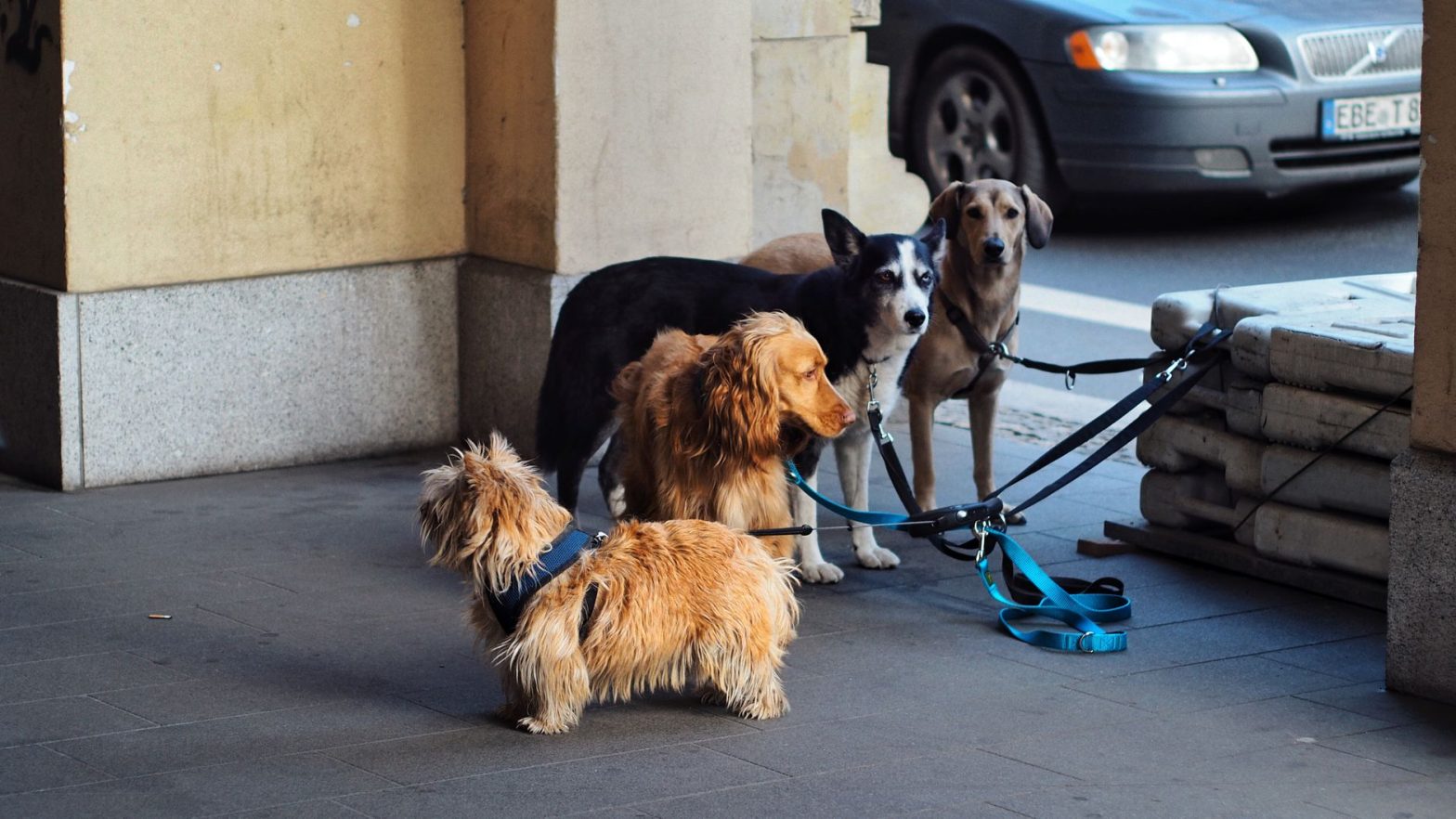
The best dog leash is a standard six-foot nylon or leather lead that provides enough length for natural movement while keeping your dog securely near your side. Choosing the right tool depends on your dog’s size, your training goals, and your local walking environment.
⚡ In a Rush? Key Takeaways
- Standard fixed-length 6ft leashes are 100% safer than retractable options.
- Leather leashes provide 30% more grip for large, strong pulling dogs.
- Long lines of 15-30ft are essential for safe off-leash training practice.
- Multi-clip leashes allow for 50% more versatility in urban walking setups.
- ✅ Best overall choice: A standard 6ft biothane or leather fixed leash.
What Are the Best Leash Materials for Daily Walking?
Nylon, leather, and biothane are the top leash materials, each offering specific benefits for durability, grip, and weather resistance.
Why Choose Nylon Leashes for Your Dog?
Nylon leashes offer lightweight, affordable, and vibrant options that are machine washable and ideal for most casual walking needs.
Nylon is the industry standard for a reason. It is incredibly lightweight and comes in every color imaginable, which makes it a fun accessory for your daily walks.
- Budget-friendly pricing for multiple lengths
- Easily cleaned in a standard laundry cycle
- Available in various widths for all sizes
- Reflective stitching adds safety for night walks
When Should You Use a Leather Dog Leash?
Leather leashes provide superior comfort for the handler and become softer and easier to grip as the material ages with regular use.
I personally prefer leather for long-term comfort. The oils in the material make it soft against your palms, which is vital if your dog is prone to sudden lunges.
| Feature | Nylon | Leather |
|---|---|---|
| Grip | Slippery when wet | Excellent traction |
| Durability | High | Very high |
| Maintenance | Washable | Needs conditioning |
What Makes Biothane the Modern Choice?
Biothane is a waterproof, high-strength coated webbing that does not absorb odors and wipes clean after muddy adventures outdoors.
If you live near the beach or go hiking in the rain, biothane is the gold standard. It mimics the feel of leather but is completely synthetic and waterproof.
- Stink-proof for muddy dogs
- Does not tangle like fabric leashes
- High-tensile strength for large breeds
- Wipes clean in five seconds flat
How Do You Choose the Right Leash Length?
A six-foot leash is the standard for most training, while shorter leads provide control and longer leads allow for more freedom.
Why Is a Six-Foot Leash the Training Standard?
Six-foot leashes provide enough room for a dog to sniff naturally while remaining short enough to maintain prompt handler control.
When I work with clients, I insist on a fixed six-foot lead. This length allows for a natural walking pace without the dog feeling constantly restricted.
- Best length for loose-leash training
- Prevents tangling in your own legs
- Allows enough slack for clear communication
- Compatible with most senior walking gear
When Should You Use a Long Training Lead?
Long lines ranging from 15 to 30 feet provide essential distance for recall training while ensuring your dog stays within safety zones.
Long lines are not for casual street walking. They are specialized tools for open fields where you want to practice your recall commands securely.
- Ideal for safe scent-work practice
- Gives freedom in fenced-in parks
- Helps with distance stay commands
- Must be used with a harness only
Are Retractable Leashes Actually Dangerous?
Retractable leashes pose risks including rope burns, potential hardware failure, and teaching dogs to pull against the tension.
Why Do Trainers Generally Avoid Retractable Leads?
Retractable leashes reward pulling behaviour by allowing the dog to move forward whenever they apply pressure to the internal cord.
My biggest issue with retractable leashes is the mechanical feedback loop. Your dog learns that pulling hard directly results in more freedom to explore.
- No emergency locking mechanism reliability
- Risk of severe cord friction burns
- Often break when dropped on pavement
- Hard to retrieve in sudden emergencies
How Do You Safely Use a Hands-Free Leash?
Hands-free leashes secure to your waist using a bungee cord to absorb shock and allow you to keep your arms free while jogging.
If you love running with your dog, a bungee-style waist leash is fantastic. It prevents sudden jerks from straining your shoulder or back while running.
- Shock absorption protects your joints
- Allows for a natural arm-swing gait
- Best for active, predictable dogs
- Keep to short, well-paved trails
Frequently Asked Questions
-
What leash is best for a puppy?
A standard 4ft or 6ft lightweight nylon leash is best for puppies to help them learn to walk near you without getting tangled.
-
How do I stop my dog from chewing the leash?
Redirect chewing to a durable toy and carry a bitter-apple spray on the leash, or use a metal chain-link lead as a temporary tool.
-
Are slip leads safe for daily walking?
Slip leads are training tools meant for professional handlers; they can cause trachea damage if used improperly by pet owners.
-
How often should I replace my leash?
Check for fraying or hardware rust every 6 months and replace your lead if the stitching shows any signs of breaking or wearing.
-
Can I use a double-clip leash for two dogs?
Double-clip leashes or couplers are useful for walking two dogs, provided both dogs are well-trained and have similar walking speeds.
— Lucy Hartwell CPDT-KA, Certified Professional Dog Trainer