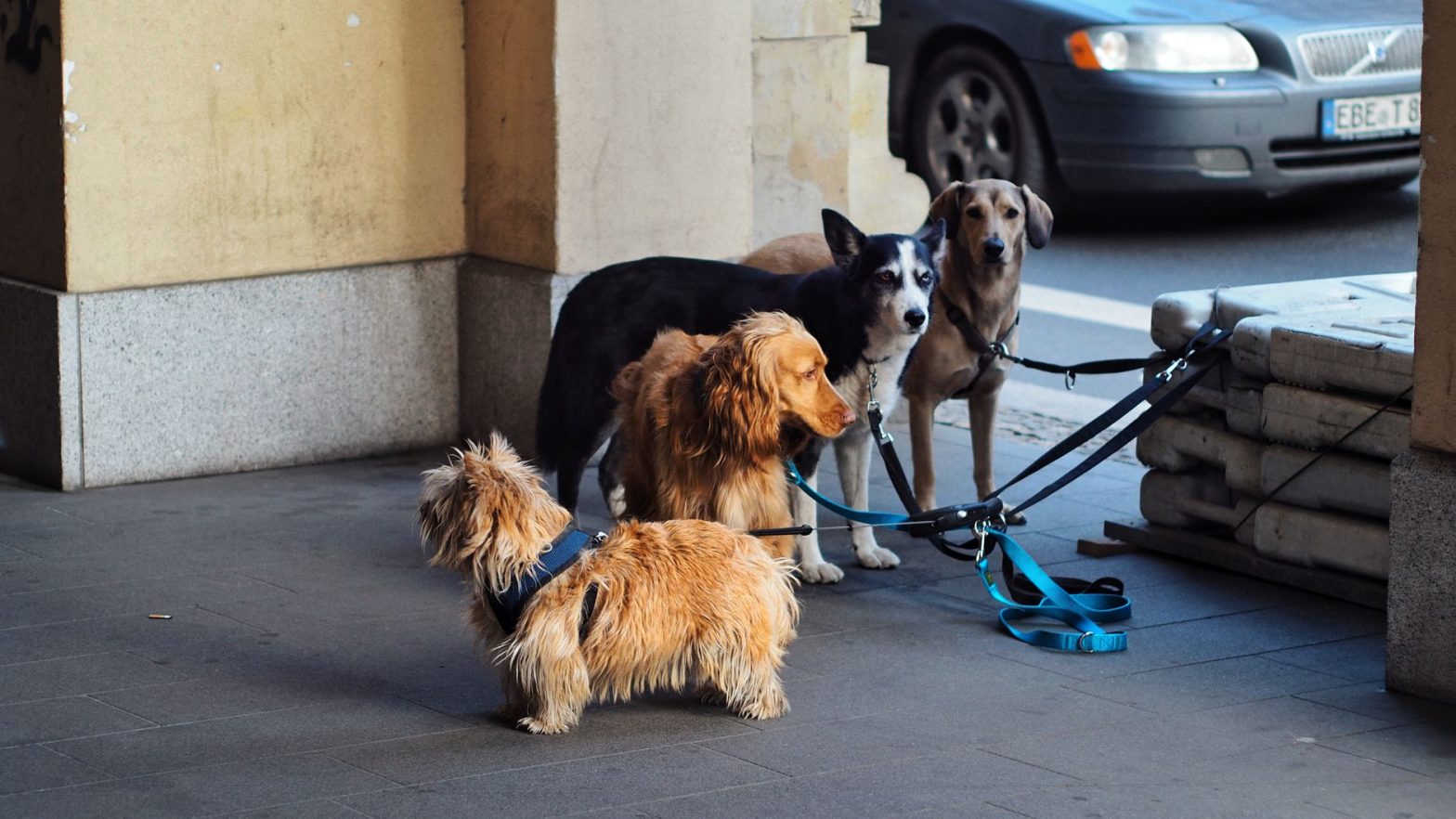
The best dog leash is a fixed-length six-foot lead made from durable nylon or leather that provides enough control without compromising your dog’s comfort during daily exercise. Selecting the right connection point and material ensures you stay in command while your dog explores the world safely.
⚡ In a Rush? Key Takeaways
- Standard 6-foot leashes are 50% more effective for training than retractable cords.
- Waterproof biothane leads last 3x longer than cotton for wet-weather adventures.
- Always check clasp weight; a 1-ounce heavy clip can fatigue a 10-pound puppy’s neck.
- Front-clip attachments on leads are essential for reducing pulling by up to 40%.
- My top overall recommendation for daily use remains a high-quality nylon 6-foot lead.
Which Dog Leash Material Is Best for Daily Walks?
The best leash material is nylon for general durability or biothane for waterproof needs, offering the perfect balance of grip and weight.
Why should you choose nylon leashes?
Nylon leashes provide the best value by combining high tensile strength with lightweight comfort, ideal for most breeds in the USA.
I find nylon to be the workhorse of the accessory world. It is affordable, comes in every color imaginable, and is surprisingly strong under tension.
If you have a no-pull harness, a standard nylon leash is the perfect companion. It doesn’t stretch, which gives you immediate feedback from your dog’s movement.
- Resistant to mild abrasion
- Easy to hand-wash with soap
- Available in reflective weaves
- Consistent feel for training
What are the benefits of biothane and leather?
Biothane is fully waterproof and stink-proof, while quality leather provides a softer grip that improves with age and regular use.
For rainy days, biothane is a game-changer. It doesn’t soak up mud or swamp water, meaning your car stays clean after a muddy trail hike.
Leather leashes offer a tactile feedback that is hard to beat. They are gentler on your hands during long walks and provide a natural grip that won’t slip.
How Do You Select a Leash for a Dog That Pulls?
Select a leash with a traffic handle or a double-ended design to provide immediate control and leverage for dogs prone to pulling.
Are traffic handles worth the investment?
Traffic handles allow you to secure your dog instantly in close quarters, which is vital for safety in urban or crowded environments.
I always look for a secondary handle located near the clip. When you pass another dog or navigate a busy street, this handle allows you to bring your dog to your side.
This gear strategy is fundamental for reactivity training. It allows you to maintain a short distance without wrapping the leash around your hand.
Does leash length impact pulling behavior?
A six-foot length is the professional standard that offers enough room for sniffing while keeping the dog within your reach zone.
Leashes longer than six feet often encourage dogs to drift and pull. Shorter leads can feel restrictive, but they teach your dog to remain by your side.
| Length | Best Use |
|---|---|
| 4 Foot | High-traffic urban areas |
| 6 Foot | Training and standard walks |
| 10+ Foot | Open field exploration only |
Are Retractable Leashes Safe for Your Dog?
Retractable leashes are generally discouraged by trainers because they reward pulling and create significant risks of cord breakage.
Why do trainers avoid retractable leashes?
Retractable designs teach dogs that pulling increases their freedom, which creates bad habits and makes leash training difficult.
The consistent tension on the cord tells your dog that the best way to get where they want is to pull. Once they feel that resistance, they push harder.
These leashes also have mechanical failure points. I have seen many instances where the spring mechanism snaps or the cord causes serious rope burns to owners.
When is it better to use a long line?
A long line provides the distance you need for recall training in safe, open spaces without the hazards of a retractable system.
If you want to give your dog room to run, switch to a fixed long line. These are often used for hiking adventures where you need to balance safety with freedom.
Frequently Asked Questions
-
How wide should a dog leash be?
Standard width is 3/4 inch for small dogs and 1 inch for medium to large breeds to ensure strength without being overly heavy.
-
Do I need a different leash for my puppy?
Puppies need lightweight gear; a heavy clasp can strain their developing neck, so choose thin nylon or soft, light materials.
-
Can I use the same leash for two dogs?
Using a coupler for two dogs is possible, but it often causes tangling; separate leads are better for control and training.
-
What is a martingale lead?
A martingale lead combines the collar and leash into one unit, tightening slightly to prevent escape during a walk.
— Lucy Hartwell CPDT-KA, Certified Professional Dog Trainer