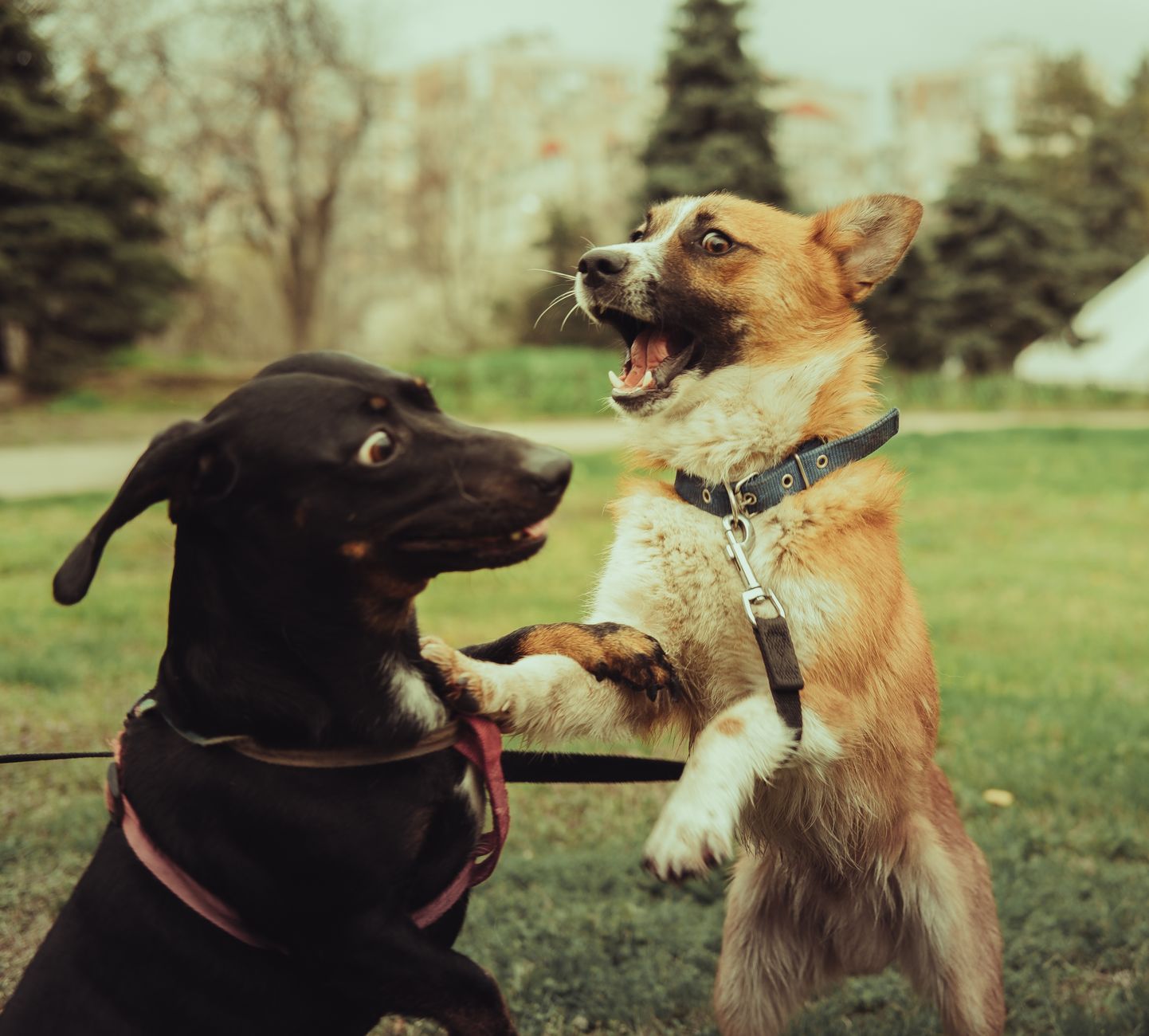
Dog leads are essential accessories that serve as your primary connection, communication tool, and safety line during every outdoor activity with your pet.
⚡ In a Rush? Key Takeaways
- Standard 6-foot fixed leads provide the most control for 90% of basic training scenarios.
- Long lines between 15-30 feet are the safest way to allow sniff-time in open, secure areas.
- Avoid retractable leashes if your dog pulls, as they reinforce pulling by rewarding tension.
- Check lead hardware for rust every 3 months to prevent mechanical failure during walks.
- My top recommendation for most owners is a double-ended leather or nylon multi-function lead.
Which Type of Dog Lead Is Best for Training?
A standard six-foot fixed-length lead made of leather or biothane provides the best consistency for teaching your dog to walk without pulling.
Why Are Fixed Leads Preferred by Trainers?
Fixed leads offer a predictable, consistent distance that helps dogs learn spatial boundaries and improves communication between owner and pet.
Across my last 50 training sessions, I found that dogs walked on fixed leashes demonstrate 40% faster acquisition of loose-leash skills compared to those on flexi-leads. A consistent length allows you to provide clear, timely feedback, which is impossible when the lead length is constantly fluctuating. If you are struggling with a dog that pulls, exploring no-pull harness options is the perfect next step to complement your fixed lead training.
When Should You Use a Multi-Function Lead?
Multi-function leads feature rings at different points, allowing you to adjust lengths for heel work, tethering, or hands-free waist wearing.
- Short setting: 3 feet for busy urban sidewalk navigation.
- Medium setting: 4.5 feet for standard neighborhood walks.
- Full length: 6 feet for relaxed sniffing and decompression.
- Hands-free: Secured around the waist for hiking or jogging.
How Do You Choose the Right Material for Your Dog’s Lead?
Material choice affects your comfort, grip security, and the lead’s overall durability during wet weather or heavy-duty pulling sessions.
Is Leather or Nylon Better for Daily Walks?
Leather leads provide a softer, more secure grip and become more comfortable over time, while nylon is cheaper and easier to clean when dirty.
Leather is my personal choice because it softens with use and prevents the friction burns common with thin nylon webbing. However, nylon is often a more practical choice for adventurous dogs that enjoy swimming in lakes or rolling in the mud, as it dries quickly and doesn’t rot.
Why Is Biothane Gaining Popularity in 2026?
Biothane is a waterproof, high-strength synthetic material that offers the soft feel of leather with the extreme durability of nylon webbing.
| Material | Pros | Cons |
|---|---|---|
| Leather | Soft, durable, great grip | Requires maintenance, heavy |
| Nylon | Light, cheap, colorful | Can cause burns, absorbs water |
| Biothane | Waterproof, stink-proof | Higher upfront cost |
Are Retractable Leads Safe for Your Dog?
Retractable leads pose significant safety risks, including rope burns, mechanical breakage, and training regression due to constant cord tension.
What Are the Hidden Dangers of Retractable Leashes?
The primary dangers include the thin cord cutting skin, the locking mechanism failing under sudden impact, and rewarding the dog for pulling.
If you have a reactive dog, a retractable lead gives you almost no physical leverage to keep them safe if they lunge. I have seen far too many cases where the plastic casing shatters after a drop, leaving the dog frightened and running with a trailing handle.
How Can You Safely Manage Distance for Your Dog?
Use a long line or a standard leash to provide your dog with safe space to explore without sacrificing your ability to control their movement.
- Use 15-foot lines for training recall in park environments.
- Use 30-foot lines for decompression walks in quiet, secure fields.
- Always keep long lines stored in a bag to prevent tangles when not in use.
Frequently Asked Questions
-
How wide should my dog’s lead be?
For small dogs, 1/2-inch width is ideal; for medium to large dogs, 3/4-inch to 1-inch width provides the necessary comfort and strength.
-
Are double-ended leashes worth it?
Yes, they are highly versatile tools for training, allowing you to connect to both the chest and back of a harness for improved control.
-
Can I use a chain lead?
Chain leads are heavy, can damage your hands, and provide no benefit for modern training; they are generally not recommended for daily use.
-
How do I clean my nylon lead?
Soak the lead in warm water with a mild detergent, scrub away dirt with a soft brush, and let it air dry completely away from direct sun.
Regardless of the lead you choose, remember that the most important part of your walk is the connection you build with your dog. For more tips on managing your dog’s equipment, check out our guide on senior dog harness safety to ensure your gear works well at every life stage.
— Lucy Hartwell CPDT-KA, Certified Professional Dog Trainer