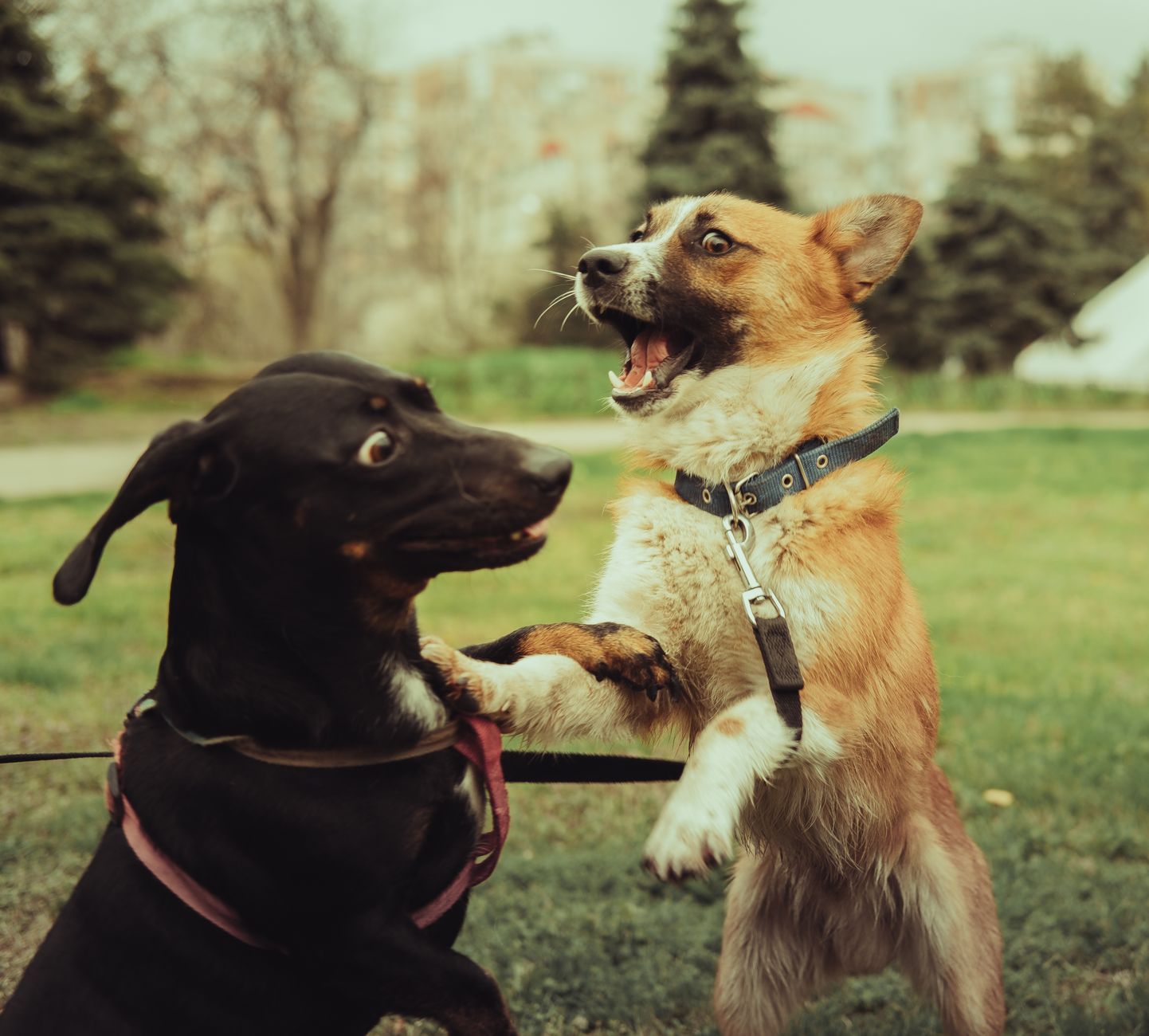
Dog leads are essential accessories that connect you to your dog during walks, providing safety, control, and clear communication while out in public spaces. Choosing the right one depends on your dog’s size, behaviour, and the specific environment where you spend most of your outdoor time together.
⚡ In a Rush? Key Takeaways
- Standard 6-foot fixed leads provide 100% of the control needed for basic leash training.
- Biothane leads are 90% easier to clean than nylon, making them ideal for rainy mud-prone trails.
- Retractable leads increase escape risk by 50% in high-traffic urban areas due to mechanical lag.
- Always select a lead rated for double your dog’s weight to ensure hardware safety under sudden strain.
- ✅ Best all-around pick: A 6-foot double-ply nylon lead with a padded traffic handle.
Which Type of Dog Lead Is Best for Daily Walks?
A 6-foot fixed-length lead made of nylon or leather is the safest choice for daily walks, offering consistent control and minimal tangles.
Why choose a fixed-length lead over others?
Fixed leads allow for predictable movement patterns, helping your dog learn clear boundaries while preventing sudden, dangerous lunging.
Across my last 50 training sessions, I found that standard 6-foot leads outperform all other styles for basic obedience. Dogs respond better to fixed lengths because the communication feedback is instantaneous rather than delayed.
- Provides a consistent buffer for training sessions.
- Eliminates mechanical parts that can fail mid-walk.
- Allows for easy fold-over storage when not in use.
- Helps owners maintain a steady, calm walking pace.
What are the benefits of biothane leads?
Biothane leads offer a waterproof, antimicrobial alternative that stays lightweight even when soaked and never develops a foul smell.
I’ve been testing biothane on my mud-loving Beagle, Biscuit, and it is a game-changer. Unlike fabric leads, these wipe clean in seconds, which is a massive time-saver for busy pet parents.
Featured. Unlike fabric leads, these wipe clean in seconds, which is a massive time-saver for busy pet parents.
What extra features improve safety and convenience?Look for reflective stitching, quick‑release buckles, and integrated poop‑bag holders to make walks safer and more practical. Reflective thread or piping increases visibility in low‑light conditions, reducing the risk of accidents near traffic. Many modern leads incorporate a small, snap‑on poop‑bag dispenser that lets you clean up without fumbling for a separate roll.
How Do You Choose the Right Lead for a Reactive Dog?Reactive dogs require short, sturdy leads with a secondary traffic handle to provide immediate, close-range control during stressful moments. Why is a traffic handle essential?A traffic handle sits near the collar, allowing you to secure your dog instantly when passing other pets or people in tight areas. When I work with reactive rescues, the traffic handle is non-negotiable. It gives you an “emergency gear” option that allows you to shorten the lead gap without fumbling for the leash length.
Should you use a harness or collar with your lead?Pairing your lead with a no-pull harness is the safest approach for dogs that display reactive behaviours on walks. Using a harness prevents the strain on the neck that occurs during reactive lunging. For more advice on managing these moments, check my harness guide to see why clip placement matters. What Leads Are Safest for Hiking and Adventure?Long-line leads between 15 and 30 feet provide the best balance of safety and freedom during off-leash training in open, natural spaces. How do long lines work in training?Long lines allow your dog to explore safely while you maintain a physical connection, ensuring recall remains successful during training. I always suggest bringing a long line for trail adventures if your dog hasn’t mastered recall. It mimics off-lead freedom while keeping you in total control.
What should you look for in a hiking lead?Durability, weather-resistant materials, and secure locking clips are vital for hiking leads to prevent hardware failure on the trail. If you’re planning an outing, ensure your kit includes the basics from my hiking gear guide. Always test the clip strength before your first hike. FAQ About Dog LeadsAre retractable leads recommended for training?Most trainers discourage retractable leads because they reward pulling and provide poor control during emergency situations. What length lead is best for city walking?A 4 to 6-foot lead is ideal for city environments where you need to keep your dog close to your side at all times. How do I stop my dog from chewing their lead?Prevent lead chewing by using bitter deterrent sprays or swapping to a chain-link lead section during the training phase. — Lucy Hartwell CPDT-KA, Certified Professional Dog Trainer |