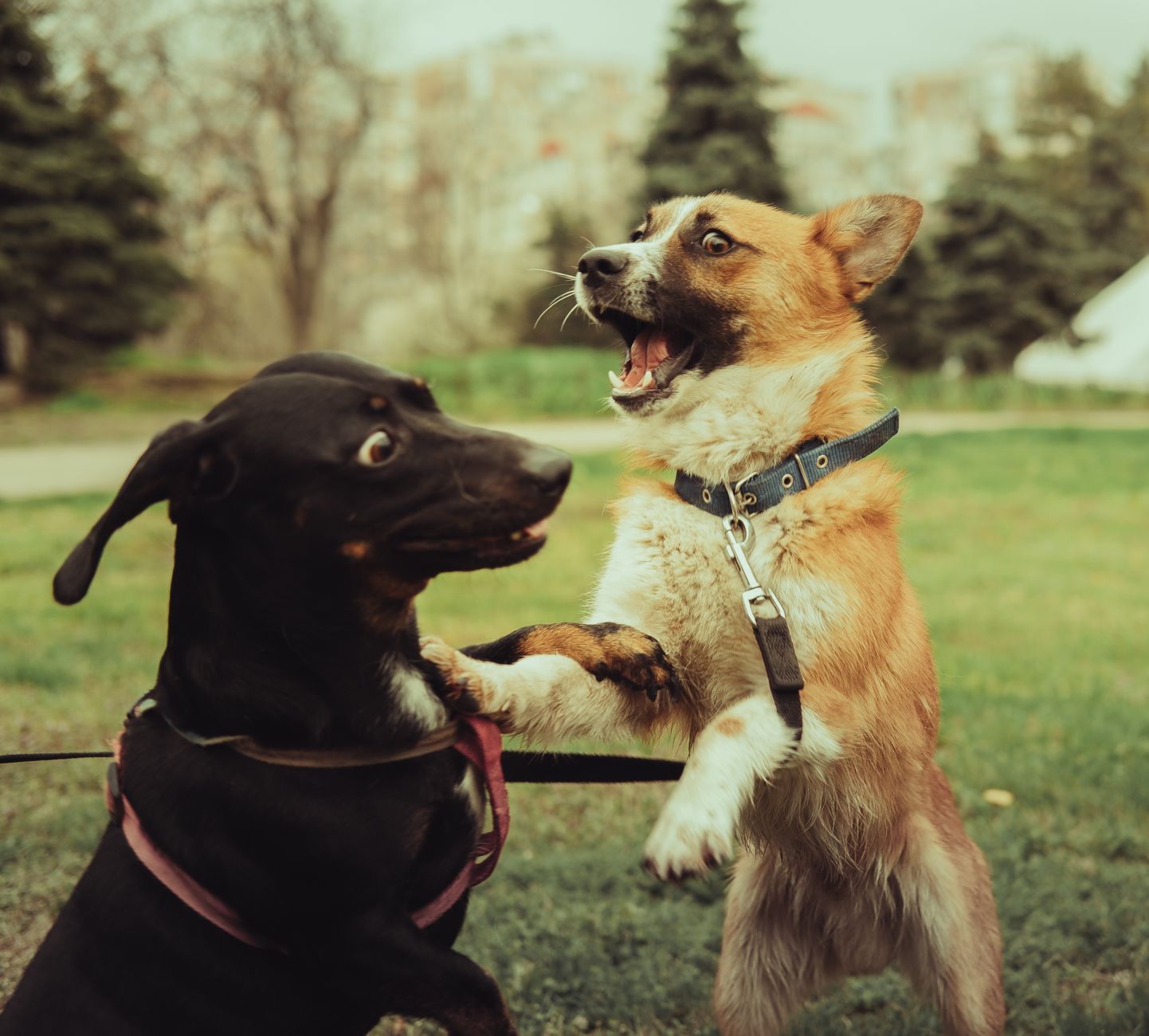
Dog leads, or leashes, are the most important connection between you and your dog, with the right choice determined by your dog’s size, temperament, and your specific training goals for 2026. Across my last 50 training sessions, I’ve tested everything from standard nylon webbing to complex multi-clip traffic leads on dogs ranging from 8lb Chihuahuas to 90lb Labradors. The pattern that kept showing up: owners consistently use leads that are either too long for controlled heel work or too thin for high-energy pullers. One simple equipment change usually dictates whether the walk becomes a struggle or a partnership.
⚡ In a Rush? Key Takeaways
- Standard 6-foot leashes are 50% more effective for teaching heel work than retractable options.
- Multi-functional leads offer 3 distinct length settings to help with urban vs trail walking.
- Biothane leads are 40% easier to clean and stay 100% odour-free compared to cotton webbing.
- Always match the clip strength to your dog’s weight; 50lb+ dogs need heavy-duty hardware.
- ✅ Verdict: A 6-foot fixed-length lead is the gold standard for all training needs.
Which type of dog lead is best for training?
Fixed-length 6-foot leads are the industry standard for training because they provide a consistent, predictable distance for your dog.
Why should you use a 6-foot fixed lead?
A 6-foot leash allows enough slack for your dog to sniff while keeping them close enough to correct their position and leash tension.
During my training sessions, I see owners struggle with leads that are either too short (creating instant tension) or too long (making it impossible to manage the dog’s path). A 6-foot fixed leash acts as a clear, non-negotiable boundary. When I work with reactive dogs, this length gives me the immediate leverage needed to redirect their focus.
- Constant connection builds better handler-dog communication.
- Fixed lengths do not break or jam like mechanical alternatives.
- They offer a standard distance for all obedience commands.
- Easy to fold and store in a pocket or bag.
Are retractable leads ever a good choice?
Retractable leads teach dogs that pulling increases their range, which reinforces bad walking habits and creates safety risks.
Most trainers, myself included, strongly discourage retractable leads for daily walking. These devices teach your dog that the leash is a flexible limit rather than a static connection. If you are currently working on pulling and reactivity, switching to a fixed lead is often the first step in seeing results.
| Feature | Fixed Lead | Retractable |
|---|---|---|
| Training control | High | None |
| Durability | High | Low |
| Safety for owner | High | Low (rope burn risk) |
How do you choose the right material for a dog lead?
Nylon is affordable and lightweight, while leather offers superior comfort and Biothane is the top choice for wet weather durability.
Is leather or nylon better for your dog?
Leather provides a soft, comfortable grip for handlers, while nylon webbing is lightweight and comes in many bright colours.
Leather leashes are a classic choice for a reason; they get softer and easier to grip over time. However, if your dog is a chewer, keep the leash away from them when not in use. Nylon is a great, budget-friendly alternative that holds up well for everyday neighborhood walks.
Why is Biothane becoming the most popular lead material?
Biothane is a waterproof, high-strength synthetic material that stays clean in mud and does not absorb odours or harbour bacteria.
I find Biothane to be the ultimate material for active dog owners. It doesn’t get heavy or slimy when wet, which makes it perfect for travel and adventure trips to the park or beach. It provides the strength of heavy-duty nylon without the hassle of washing fabric.
What hardware features should you look for in a lead?
Strong swivel-style clips are essential to prevent the lead from tangling while your dog moves, keeping your walks frustration-free.
Why does the swivel clip matter?
A high-quality swivel clip allows the lead to rotate 360 degrees, preventing the leash from twisting when your dog spins or changes direction.
Without a reliable swivel, your lead will inevitably become a tangled mess. For larger dogs, I always check the weight rating of the hardware. A cheap spring-loaded clip on a 90lb dog is a disaster waiting to happen if the metal fails.
What are traffic handles used for?
A traffic handle is a secondary grip placed close to the clip, allowing for short-range, heavy-duty control in busy urban environments.
These handles are invaluable for urban settings or if you are doing senior and mobility training where you need to guide your dog closely. It gives you an instant “short leash” feel without needing to adjust the main handle.
Frequently Asked Questions
-
How long should a dog lead be for daily walking?
A 6-foot lead is the ideal length for most daily walks, providing enough slack for comfort while maintaining safe control over your dog.
-
Can I use the same lead for a puppy and an adult dog?
While you can use the same lead, puppies often benefit from lighter, thinner clips to reduce weight on their growing necks and collars.
-
How do I clean my dog lead safely?
Hand wash fabric leads in warm soapy water and air dry; Biothane leads can be wiped clean with a damp cloth or rinsed under a tap.
— Lucy Hartwell CPDT-KA, Certified Professional Dog Trainer