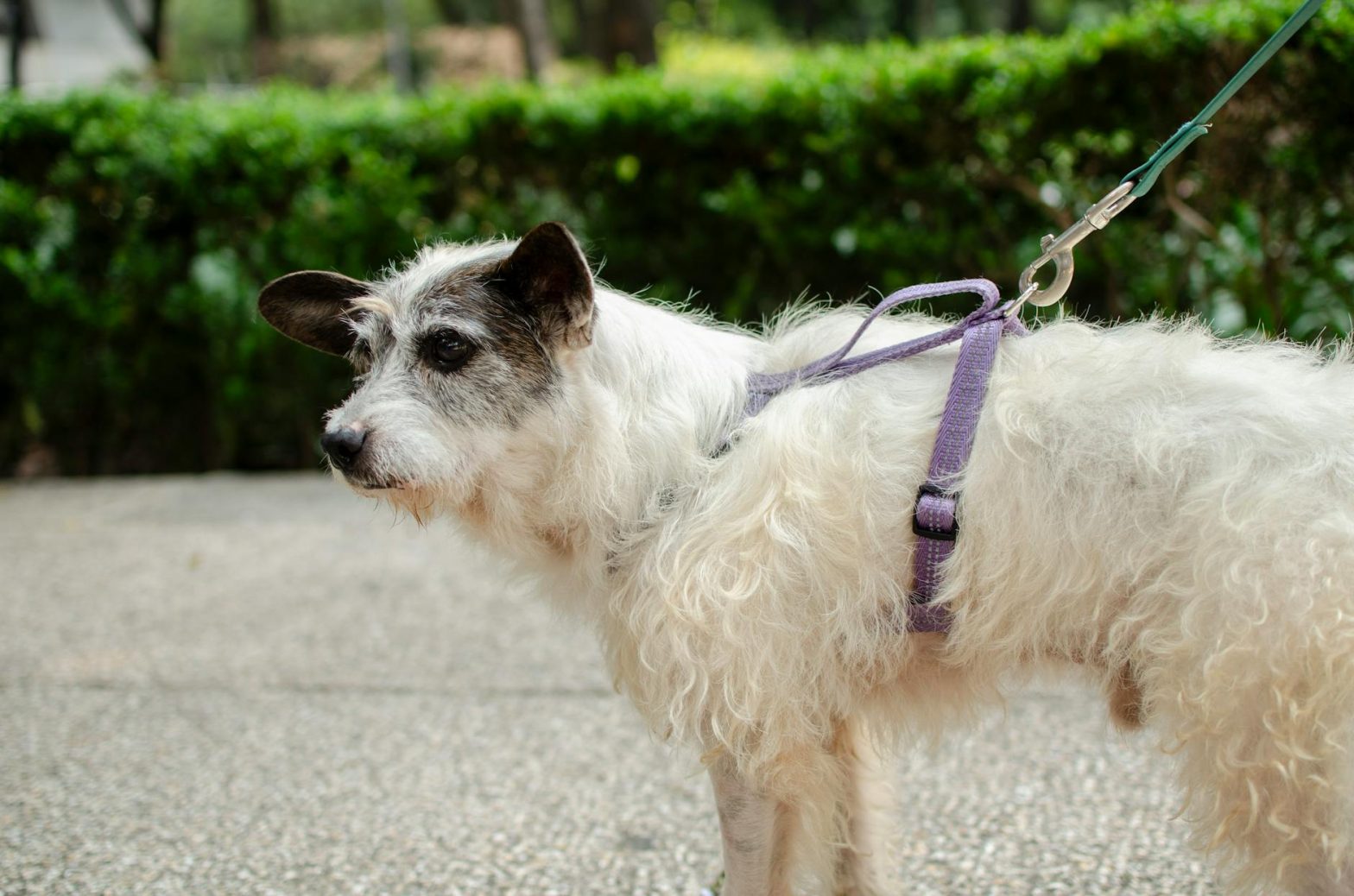
Is Your Dog Turning Walks Into a Tug-of-War?
If the answer is yes, you’re definitely not alone! Leash pulling is one of the most common frustrations for dog owners. But don’t worry; with the right no-pull dog harness, you can transform your walks from a daily battle into a relaxing stroll.
I’ve been there. I’ve tested countless harnesses on my own dogs. I understand the frustration of constantly being pulled and yanked. That’s why I’ve compiled this list of the best no-pull harnesses available in 2025, based on real-world testing and the specific needs of different dogs.
What’s the difference between a regular harness and a no-pull harness?
A regular harness typically attaches at the back, between your dog’s shoulder blades. This can actually encourage pulling, as it gives them more leverage. No-pull harnesses, on the other hand, are designed to discourage pulling by redirecting your dog’s movement. Many feature a front clip, which gently turns your dog towards you when they pull, disrupting their forward momentum.
Key takeaway: No-pull harnesses make walks enjoyable again, but they also promote safer and more comfortable walks for both you and your dog.
Top Picks: Best No-Pull Dog Harnesses
After extensive testing, here are my top picks for the best no-pull dog harnesses, broken down by category:
Best Overall No-Pull Harness: Ruffwear Front Range Harness
The Ruffwear Front Range is a versatile and durable harness that works well for most dogs. It has both a front and back clip, padded chest and belly straps, and is available in a wide range of sizes. It’s my top recommendation for everyday use.
Best Budget-Friendly No-Pull Harness: PetSafe Easy Walk Harness
The PetSafe Easy Walk is a simple and affordable no-pull harness that gets the job done. It features a front clip and a martingale loop that tightens gently when your dog pulls, discouraging them from pulling further. It’s a great option if you’re on a tight budget.
Best No-Pull Harness for Small Dogs: Blueberry Pet Classic Solid Color Dog Harness
This harness is lightweight and comfortable for small breeds. It features adjustable straps and a simple design, making it easy to put on and take off. It also has a back ring for leash attachment if you prefer not to use the front clip.
Best No-Pull Harness for Large and Extra-Large Dogs: 2 Hounds Design Freedom No-Pull Harness
This harness is designed specifically for larger breeds and features a unique design that distributes pressure evenly across your dog’s chest and back. It has both a front and back clip, and it can be used with a double-ended leash for even greater control.
Check current price on 2 Hounds Design
Best Escape-Proof No-Pull Harness: Ruffwear Web Master Harness
If your dog is a master escape artist, the Ruffwear Web Master is a great option. It features a secure and supportive design with five points of adjustment, making it difficult for your dog to slip out of. It also has a handle on the back for added control.
Things to Consider When Choosing a No-Pull Harness
With so many options available, choosing the right no-pull harness can feel overwhelming. Here are a few key factors to consider:
Fit and Comfort
A properly fitted harness is essential for both comfort and safety. Measure your dog’s chest and neck circumference carefully, and consult the manufacturer’s sizing chart. The harness should be snug but not too tight, allowing for a full range of motion.
Attachment Point
Most no-pull harnesses feature a front clip, which is designed to discourage pulling. However, some harnesses also have a back clip, which can be used for everyday walks or off-leash activities. Consider which attachment point will work best for your dog’s needs.
Material and Durability
Choose a harness made from durable and comfortable materials, such as nylon or neoprene. The harness should be able to withstand daily wear and tear, and it should be easy to clean.
Ease of Use
Look for a harness that is easy to put on and take off. Some harnesses have buckles or straps that can be difficult to adjust, while others have a simple and streamlined design.
Does a no-pull harness hurt my dog?
No, when properly fitted and used, a no-pull harness should not hurt your dog. The goal is to discourage pulling through gentle pressure and redirection, not to inflict pain. It’s crucial to choose the right size and adjust the straps correctly to avoid chafing or discomfort. A dog harness size calculator can provide the correct fit.
Important: Always supervise your dog while they are wearing a harness, and never leave them unattended. Also, consult with your vet or a certified dog trainer if you have any concerns about using a no-pull harness.
How to Train Your Dog to Walk Nicely on a Leash
A no-pull harness is a great tool, but it’s not a magic bullet. To truly stop your dog from pulling, you’ll also need to invest in some training.
Start with Positive Reinforcement
Reward your dog with treats and praise when they walk nicely on a loose leash. This will help them associate good behavior with positive outcomes.
Change Direction Frequently
If your dog starts to pull, change direction suddenly. This will disrupt their forward momentum and encourage them to pay attention to you.
Use a High-Value Treat
When training, use a treat that your dog absolutely loves. This will make them more motivated to work for you.
Keep Training Sessions Short and Sweet
Dogs have short attention spans, so keep training sessions to 5-10 minutes at a time. This will help them stay focused and engaged.
Be Patient and Consistent
It takes time and patience to train a dog to walk nicely on a leash. Be consistent with your training, and don’t get discouraged if you don’t see results immediately.
Front Clip vs Back Clip Harness: Which Stops Pulling Better?
This is a frequently asked question, and the short answer is that front clip harnesses are generally more effective at stopping pulling.
Front Clip Harnesses:
- Attach the leash to a ring located on the dog’s chest.
- When the dog pulls, the harness gently redirects their body to the side, disrupting their forward motion.
- Provide more control over the dog’s direction.
Back Clip Harnesses:
- Attach the leash to a ring located on the dog’s back, between the shoulder blades.
- Do not offer the same level of control over pulling.
- Some dogs may still pull strongly even with a back clip harness.
Are head halters a good alternative to no-pull harnesses?
Head halters, like the Gentle Leader or Halti, can be effective at stopping pulling, but they are not right for every dog. They work by gently controlling the dog’s head, which can be uncomfortable or even painful if not used correctly. I recommend head collars for dogs and offer tips to ensure they are a good fit.
Safety Considerations for Using a No-Pull Harness
While no-pull harnesses can be a game-changer for leash pulling, it’s crucial to use them safely and responsibly.
- Proper Fit: Ensure the harness fits snugly but not too tightly to prevent chafing or discomfort.
- Gradual Introduction: Allow your dog to get used to the harness gradually, starting with short bursts and positive reinforcement.
- Avoid Prolonged Use: Don’t rely solely on the harness to solve leash pulling. Combine it with training for long-term results.
- Supervision: Always supervise your dog while they are wearing a harness, especially during the initial stages.
- Consult Your Vet: If your dog has any pre-existing health conditions, consult with your vet before using a no-pull harness.
My Final Thoughts
A no-pull dog harness can be a valuable tool in your training arsenal. By choosing the right harness and combining it with positive reinforcement techniques, you can transform your walks from a daily struggle into a pleasant experience for both you and your furry friend. Remember to prioritize fit, comfort, and safety, and to consult with your vet or a certified dog trainer if you have any concerns. Don’t forget to check out the Pulling & Reactivity Hub to explore additional articles.