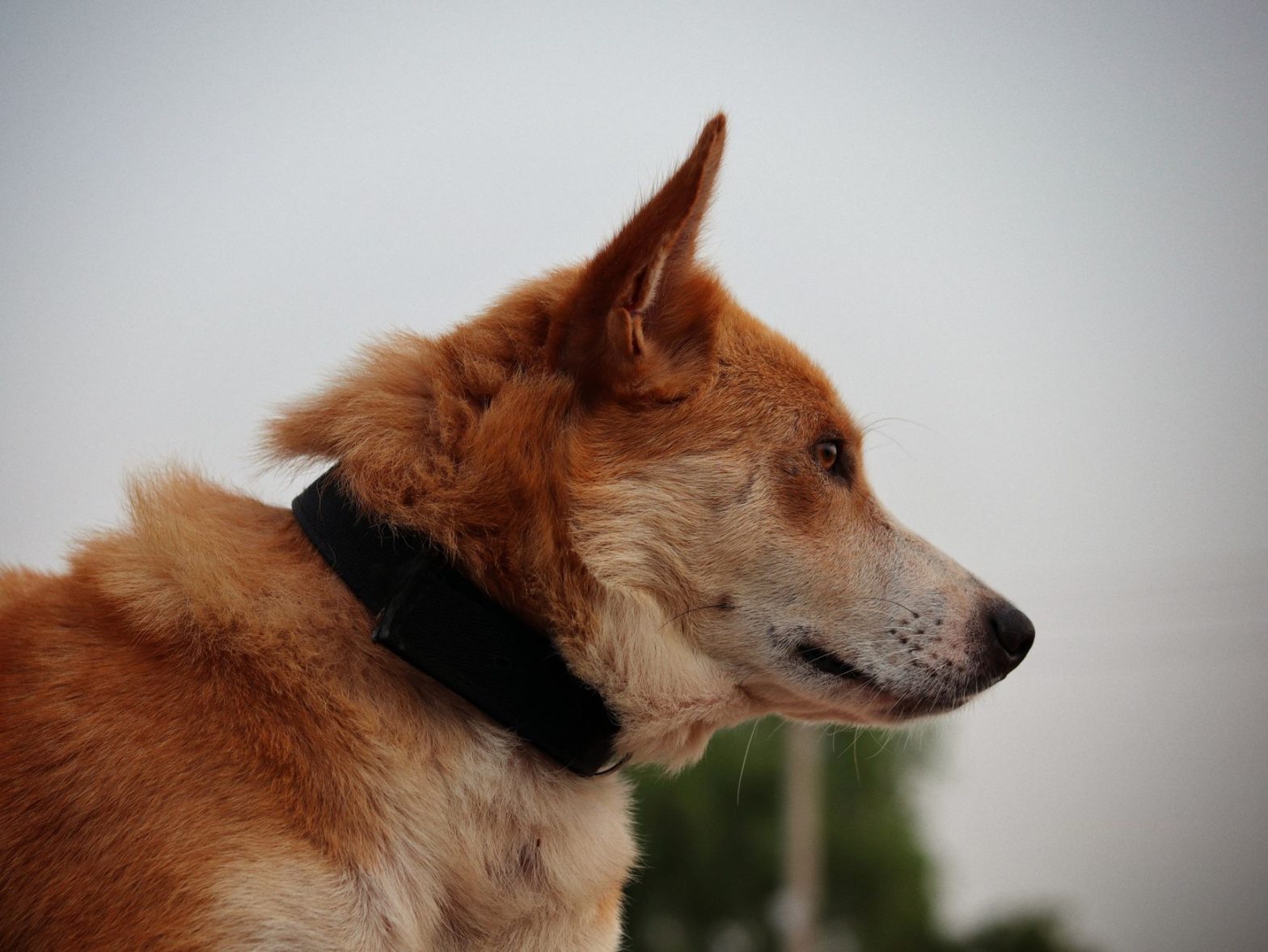
A dog collar is a daily necessity that should prioritize your pet’s comfort, security, and specific behavioral requirements. While hundreds of styles exist, selecting one involves matching the material and closure type to your dog’s lifestyle and neck anatomy.
⚡ In a Rush? Key Takeaways
- Standard collars should allow exactly two fingers of space for comfort.
- Martingale collars reduce escape risk by 40% in dogs with narrow necks.
- Replace any collar showing visible fraying or stitching wear every 12 months.
- Flat buckle collars remain the safest choice for everyday ID tag display.
What Are the Safest Types of Dog Collars for Daily Use?
The safest daily dog collar is a flat buckle design made of nylon or leather that features a secure, non-slip metal or plastic fastener.
Why Do Flat Collars Work Best for ID Tags?
Flat collars provide a lightweight, comfortable platform for ID tags that does not interfere with the dog’s breathing or daily movement.
I recommend a simple flat collar for holding your dog’s registration and contact information. These are lightweight and won’t snag on furniture or kennel gates during the day.
Always choose a collar with a dedicated tag ring separate from the leash attachment point. This prevents your tags from clanking against the leash clip while walking.
- Use stainless steel or brass hardware for long-term rust prevention.
- Look for double-stitched nylon for maximum durability.
- Avoid decorative charms that can become choking hazards.
- Select quick-release buckles for easy removal in emergency situations.
Are Martingale Collars Better for Escape Artists?
Martingale collars provide a gentle tightening sensation when pulled, preventing dogs from backing out of their collar during walks.
If you live with a sighthound or a dog with a narrow head, a standard collar often fails. Martingales offer a secure fit that tightens only when the dog pulls backward.
These are excellent tools for breeds like Greyhounds, Whippets, and Collies. They provide security without the constant constriction of a choke chain.
When Should You Avoid Using a Collar for Walking?
Avoid using collars for walking if your dog pulls heavily, as the neck pressure can cause trachea damage or long-term spinal soreness.
If your dog is a dedicated puller, I always suggest pairing a flat collar with a no-pull dog harness. This setup keeps the tags on the collar and the pulling force on the chest.
You can learn more about managing leash-based habits in my harness comparison guide to see which tool suits your dog’s walking style.
How Do You Properly Fit a Dog Collar for Comfort?
A correctly fitted dog collar allows two fingers between the neck and strap, ensuring it is secure enough to stay on but not restrictive.
What Is the Two-Finger Rule for Collar Sizing?
Place two fingers flat against your dog’s neck under the collar to ensure the fit is snug enough for security but loose enough for breathing.
Too many owners fit a collar too loosely, which leads to the dog slipping out unexpectedly. If you can fit your whole hand underneath, it is definitely too large.
Always recheck your dog’s fit after a grooming session or weight change. A collar that fits perfectly in January might be too tight by mid-summer.
How Often Should You Replace Your Dog’s Collar?
Inspect your dog’s collar monthly and replace it every 12 to 18 months, or sooner if you notice fraying, rust, or weakened buckle integrity.
| Inspection Point | Action Required |
|---|---|
| Stitching | Replace if threads are loose |
| Buckle | Replace if closure feels weak |
| Material | Replace if stiff or cracked |
| Hardware | Replace if rusted or bent |
How Do You Choose a Collar for Senior Dogs or Special Needs?
Senior dogs require lightweight, soft collars that minimize neck pressure and do not interfere with mobility or orthopedic support gear.
Are Padded Collars Better for Older Dogs?
Padded collars provide extra comfort for senior dogs, reducing pressure points on the sensitive neck and throat area during slow walks.
As dogs age, they often become more sensitive to pressure. Padded neoprene or soft leather collars distribute the weight more evenly and prevent skin irritation.
If your dog is already using senior-safe mobility aids, ensure their collar does not snag on the harness or support vest they wear during the day.
Do Pheromone or Calming Collars Actually Work?
Calming collars use synthetic pheromones to create a soothing scent that may reduce mild anxiety symptoms in certain environments.
These collars release comforting pheromones that mimic a mother’s natural scent. They are highly effective for dogs struggling with travel or mild environmental stress.
Remember that these are not a cure-all for severe behavioral issues. They work best as one component of a broader, low-stress environment for your older companion.
Frequently Asked Questions
-
Should dogs wear a collar inside the house?
Yes, most owners should keep a collar on inside for safety, but ensure it is a flat, non-tightening style to prevent snagging on furniture.
-
Can a dog wear a harness and a collar together?
It is recommended to wear both, using the collar for identification tags and the harness for all leash and walking attachments.
-
What is the most durable collar material?
Biothane and high-quality nylon are the most durable materials as they resist water, odors, and environmental wear effectively over time.
— Lucy Hartwell CPDT-KA, Certified Professional Dog Trainer