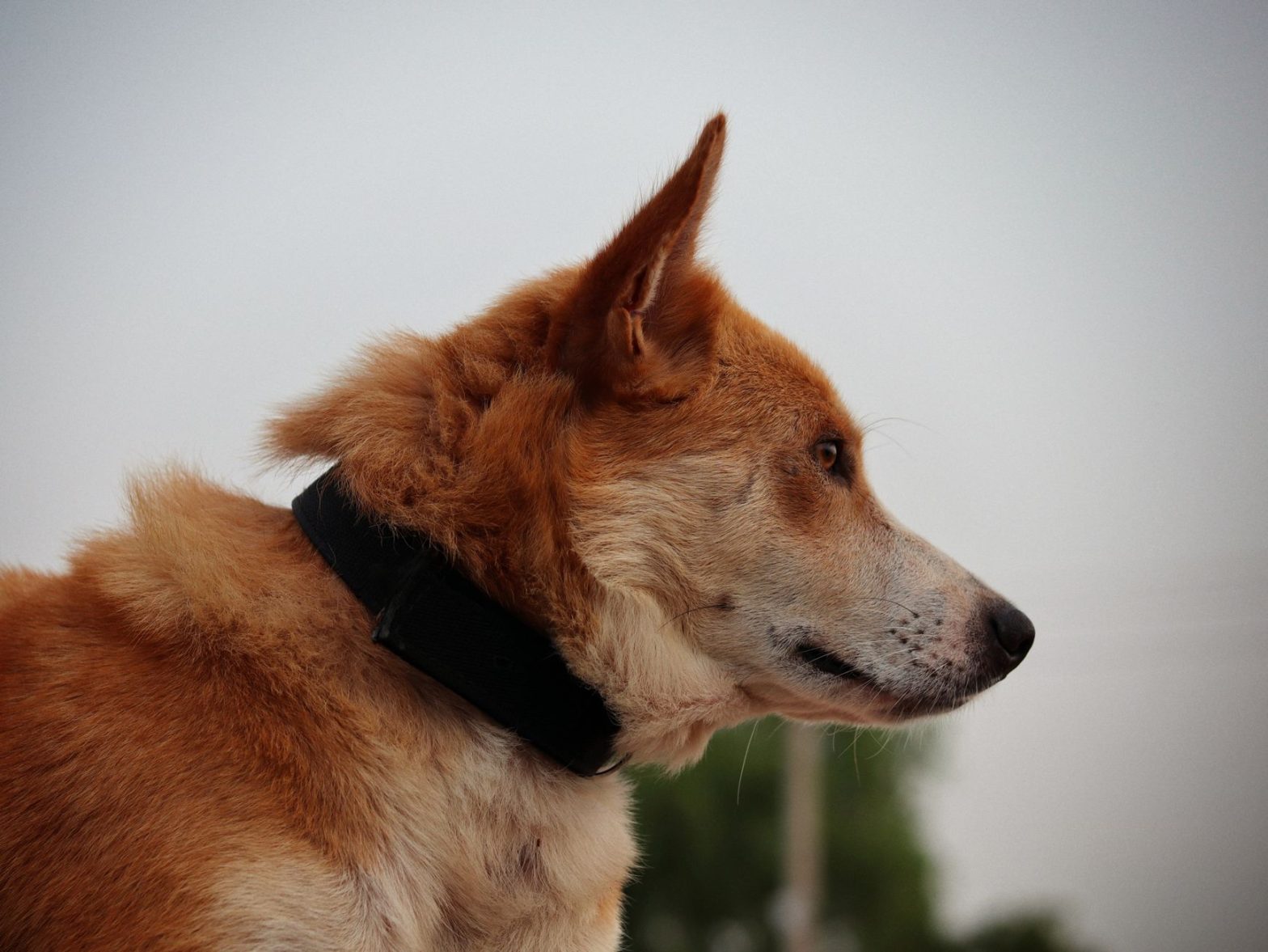
The best dog collar for your pup is one that balances secure identification, comfort during daily wear, and enough durability to handle their specific activity level. Choosing the wrong collar often leads to chafing, escape risks, or hardware failure that can put your dog in danger during a walk.
⚡ In a Rush? Key Takeaways
- Standard nylon collars last 12-18 months of regular use before fraying becomes a safety risk.
- Martingale collars reduce escape risk for sighthounds by up to 90% during sudden lunges.
- Always ensure you can fit 2 fingers between the collar and your dog’s neck for safe breathing.
- Flat collars are best for identification tags, while harnesses remain safer for pulling dogs.
Which type of dog collar is safest for everyday use?
Flat buckle collars are the safest choice for everyday wear because they are lightweight, durable, and easily hold identification tags.
Why should you choose a flat buckle collar?
Flat buckle collars offer the most comfort for 24/7 wear and are the standard for holding vital identification tags securely.
I always recommend a basic flat collar as the primary place for your dog’s ID tags. It is simple, effective, and less likely to snag on objects compared to complex designs.
- Made of durable nylon or polyester webbing.
- Features a quick-release buckle or traditional metal prong.
- Offers the most surface area for embroidered contact info.
When is a martingale collar the right choice?
Martingale collars are ideal for narrow-headed breeds like Greyhounds who can easily back out of traditional flat buckle designs.
If your dog is a professional escape artist, this design tightens slightly under tension to prevent them from slipping out of the collar.
When should you consider a reflective or LED collar?
Reflective or LED collars boost visibility during low‑light walks, helping keep your dog safe near traffic or in poorly lit areas.
Reflective collars use strips of high‑visibility material that bounce back car headlights, making them ideal for early‑morning or evening strolls. LED collars add active illumination with battery‑powered lights that can flash or glow steadily; they are especially useful for dogs that spend time off‑leash in parks or on trails after dark. Most models are waterproof and feature quick‑release buckles for safety, but remember that visibility aids do not replace a proper fit or identification tags.
How do you measure a dog for the correct collar size?
Measure the base of your dog’s neck using a soft tape, then add two inches to ensure a fit that is comfortable but not loose.
What is the two-finger rule for collar fitting?
The two-finger rule ensures your dog can breathe freely and swallow comfortably by preventing the collar from being overly tight.
During my training sessions, I see far too many collars that are either choking the dog or so loose that they catch on ears and furniture. Checking the fit ensures your dog is safe on every walk.
Does breed shape affect how a collar should fit?
Yes, barrel-chested breeds need wider collars for pressure distribution, while smaller breeds require thin, lightweight materials.
Are leather collars better than synthetic materials?
Leather collars provide superior comfort and durability over time, though they require periodic oiling to prevent drying or cracking.
How do you maintain a leather collar properly?
Clean leather monthly with a damp cloth and apply a quality leather conditioner to keep the material supple and prevent brittleness.
Leather ages beautifully and develops a soft patina that is gentle on long-coated breeds. If you want to invest in a piece of gear that lasts years, leather is a fantastic choice.
What are the benefits of synthetic waterproof collars?
Waterproof synthetic collars are excellent for adventurous dogs because they resist odors and clean up easily after muddy outings.
If your dog loves the water, check out our guide on essential outdoor gear to keep them clean and dry. These materials are nearly indestructible.
Frequently Asked Questions about Dog Collars
-
Should dogs wear their collar inside the house?
Many trainers suggest removing collars indoors to prevent accidental snagging on furniture, door handles, or other household items.
-
Are prong collars safe for training?
Prong collars carry significant risks of tracheal injury and are not recommended as a primary training tool for any pet owners.
-
Can I leave a harness on instead of a collar?
Harnesses are great for walks, but they are not designed for 24/7 wear and can cause matting and skin irritation if left on.
-
How often should I replace my dog’s collar?
Inspect your collar every three months for frayed stitching or damaged hardware; replace it immediately if you see any wear.
Remember, the best collar is the one that fits your dog safely and securely. If you need more help with leash manners, check out our pulling and reactivity hub for more training tips.
— Lucy Hartwell CPDT-KA, Certified Professional Dog Trainer