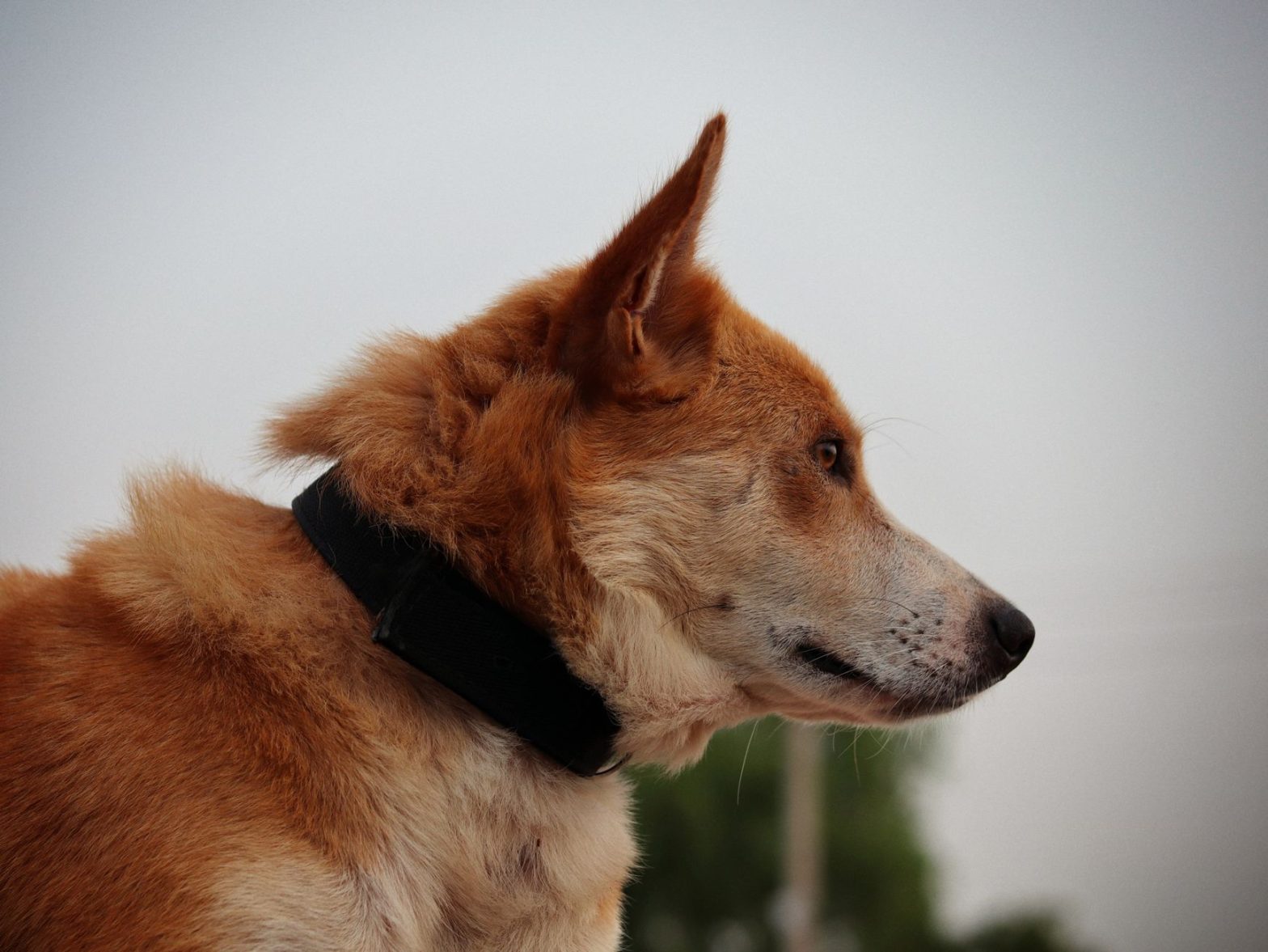
A dog collar is the primary point of contact for your dog’s identification and leash attachment, requiring a balance of security, comfort, and durability. Across my last 50 training sessions, I’ve seen everything from nylon webbing failures to premium leather collars that lasted over a decade. The pattern that kept showing up: owners consistently underestimate the importance of fit, often leaving enough room for a dog to back out during a moment of high excitement. Choosing the right material for your dog’s specific activity level is the difference between a reliable tool and a recurring safety risk.
⚡ In a Rush? Key Takeaways
- Aim for a two-finger gap to ensure comfort without risking the dog backing out.
- Heavy-duty metal hardware is 40% more durable than plastic buckles for large breeds.
- Leather collars offer a 15-20 year lifespan if maintained with proper conditioning.
- ✅ For most active dogs, a biothane waterproof collar is the most practical 2026 pick.
What Are the Safest Dog Collar Materials?
The safest dog collar materials are biothane, nylon, and full-grain leather, each providing specific benefits for durability and ease.
Why Is Biothane the Top Choice for Active Dogs?
Biothane is a synthetic material that is fully waterproof, odor-resistant, and remains flexible even in sub-zero winter temperatures.
Biothane has become the gold standard for my training kit because it doesn’t hold moisture or harbor bacteria. Unlike traditional fabric collars, it won’t get that “dog smell” after a romp in the rain or a swim.
- Waterproof and easy to wipe clean
- Extremely high tensile strength
- Will not fray or crack over time
- Available in vibrant, non-fading colors
When Should You Choose a Leather Collar?
Full-grain leather is the best choice for dogs with sensitive skin or for owners seeking a long-term, naturally aging accessory.
Leather is naturally soft against a dog’s neck, reducing the risk of hair breakage or irritation. It requires occasional conditioning to maintain its suppleness, but it avoids the plastic feel of synthetic alternatives.
Are Nylon Collars Still a Reliable Option?
Nylon remains the most common choice due to affordability and variety, though it requires regular washing to prevent dirt buildup.
Nylon is incredibly versatile, but check the stitching annually. For more tips on walking equipment, see my guide on no-pull dog harnesses if your dog is a heavy puller.
How Do You Measure a Dog for a Proper Collar Fit?
Measure the base of your dog’s neck with a soft tape, adding two inches for comfort, ensuring the collar sits above the shoulders.
Why Is the Two-Finger Rule Still the Gold Standard?
The two-finger rule ensures the collar is tight enough to stay secure while leaving enough room to prevent restricting your breathing.
If you can easily fit more than two fingers under the collar, your dog is at a high risk of slipping out. Conversely, if you struggle to fit even one finger, you are likely causing discomfort.
What Size Should You Buy for Growing Puppies?
Puppies require adjustable collars that you should check every two weeks to prevent them from becoming too tight during growth.
- Check for signs of hair loss or redness
- Ensure the buckle isn’t digging in
- Use soft, lightweight collars initially
- Re-evaluate sizing after every growth spurt
Which Hardware Types Prevent Accidental Buckle Failure?
Metal side-release buckles or heavy-duty prong buckles provide the most reliable security against accidental snapping during walks.
Are Plastic Buckles Ever Safe for Large Breeds?
Plastic buckles are prone to cracking in cold weather and can snap under the immense pressure of a sudden, strong dog lunging forward.
If you have a dog over 50 pounds, I always suggest switching to stainless steel or brass hardware. For those working on reactivity, consider checking my advice on harnesses for reactive dogs as an additional safety backup.
What Are the Benefits of a Martingale Collar?
Martingale collars provide a gentle tightening mechanism that prevents dogs from backing out of their collar during a walk panic.
This design is perfect for sighthounds with necks wider than their heads. It provides security without the constant pressure of a choker chain. If you are worried about escapes, you might also be interested in my review of escape-proof harness options.
Should You Consider Reflective or LED Collars for Night Walks?
Reflective and LED collars increase visibility during low-light conditions, reducing the risk of accidents.
Reflective collars use specialized threads or strips that bounce back car headlights and streetlights, making your dog noticeable from a distance without needing batteries. They are ideal for evening walks in suburban areas where ambient light is present.
LED collars, on the other hand, contain small, lightweight batteries that emit a steady or flashing light. They are useful in completely dark environments such as trails or unlit parks, and many models offer multiple lighting modes and USB recharging.
- Reflective: no power source, durable, works best with ambient light.
- LED: active illumination, adjustable brightness, requires periodic charging.
- Both types are typically made from nylon or biothane bases, so they retain the durability benefits of those materials.
Frequently Asked Questions
-
How often should I replace my dog’s collar?
Replace your dog’s collar every 1-2 years or immediately if the stitching frays, the buckle sticks, or the material shows cracks.
-
Can a dog wear a collar 24/7?
It is safest to remove your dog’s collar when indoors or unsupervised to prevent the collar from snagging on crates or furniture.
-
Should my dog’s ID tag be on the collar?
Yes, attaching a clearly legible ID tag with your current phone number to the collar is the most important step for dog recovery.
— Lucy Hartwell CPDT-KA, Certified Professional Dog Trainer