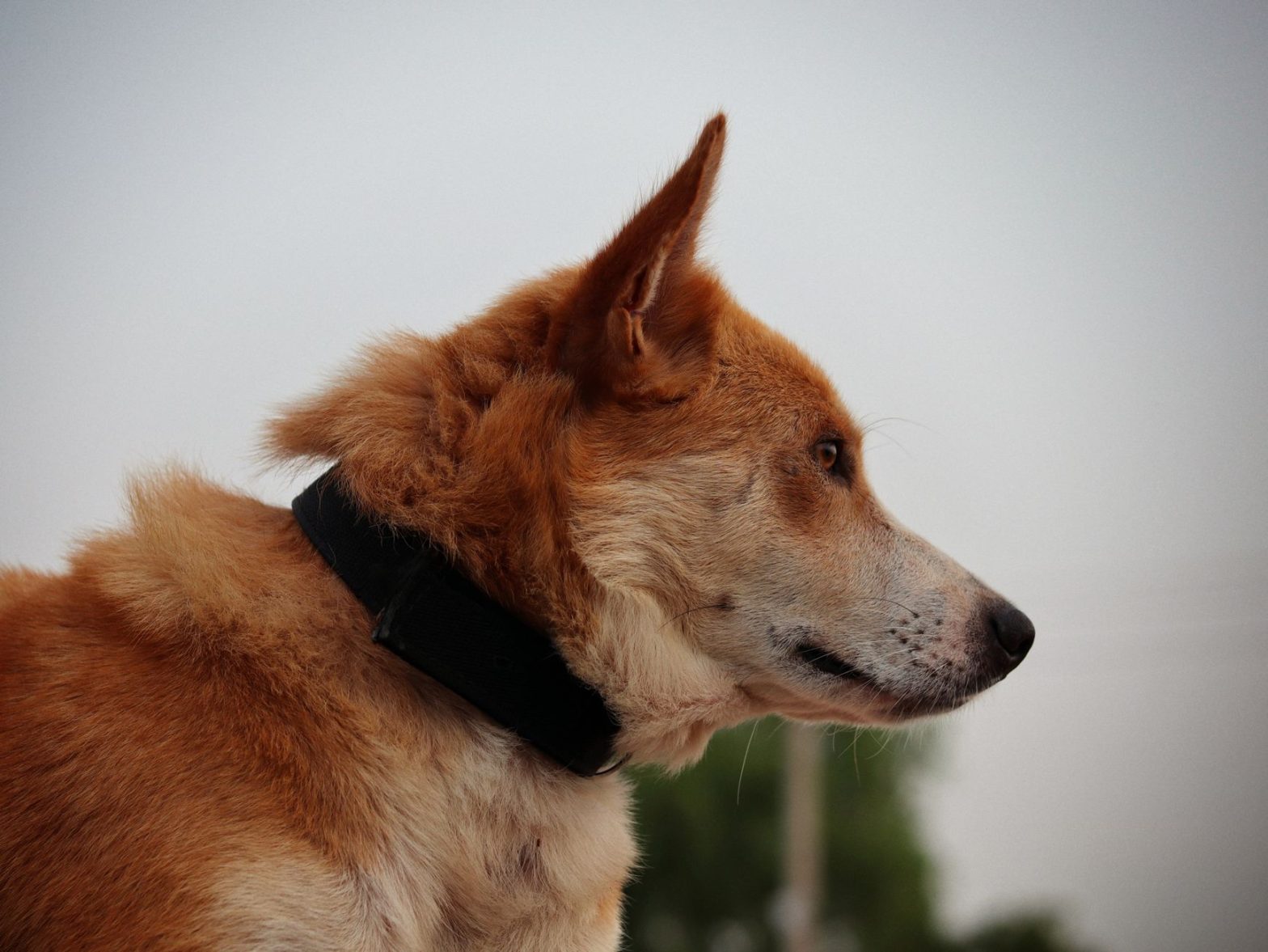
Dog collars are essential tools for identification and leash attachment, serving as a primary point of contact between you and your dog during daily life. Choosing the correct type depends entirely on your dog’s breed, temperament, and specific safety needs, as a collar that fits a sturdy retriever might be dangerous for a delicate greyhound.
⚡ In a Rush? Key Takeaways
- Standard flat collars should allow exactly two fingers of space for safety.
- Martingale collars reduce escape risk for breeds with necks larger than their heads.
- Reflective materials on collars increase nighttime visibility by up to 500 feet.
- Nylon collars are 40% more durable than cotton for long-term outdoor wear.
- ✅ Use flat collars for tags, but switch to a no-pull harness for walks.
Which Dog Collar Material Is Safest?
Nylon, leather, and neoprene are the primary collar materials, with each offering distinct benefits for comfort, durability, and moisture resistance.
Are Nylon Collars Good for Dogs?
Nylon is a popular, lightweight synthetic material offering high tensile strength, easy cleaning, and vibrant color options for daily wear.
I have tested dozens of nylon collars on my own pack, and they remain the industry standard for a reason. They are incredibly affordable, easy to throw in the washing machine, and dry quickly after a rainy hike.
However, nylon can sometimes cause “collar burn” if the edges are rough and the dog is a persistent puller. Always check for fraying around the buckle area, as synthetic materials can degrade when exposed to constant UV light over years.
Is Leather Better Than Synthetic Materials?
Leather is a natural, durable, and comfortable material that softens over time and prevents skin irritation for dogs with sensitivities.
Genuine leather collars offer a premium feel that synthetic options struggle to match. They are naturally breathable, which helps prevent the dampness that sometimes occurs under a nylon collar during humid summer months.
- Requires periodic conditioning to prevent cracking.
- Avoid exposure to heavy salt water or excessive mud.
- High-quality hides provide long-lasting structural integrity.
- Naturally hypoallergenic for dogs with chemical sensitivities.
What Collar Style Fits Your Dog?
Flat, martingale, and breakaway collars serve different purposes regarding daily identification, training support, and accident prevention.
When Should You Use a Flat Collar?
Flat collars are the standard hardware for holding identification tags and should be worn comfortably without creating pressure on the neck.
A flat collar should be your dog’s “everyday” accessory. It is the perfect place for your contact information, current license, and rabies vaccination tags.
If you need extra guidance on ensuring your gear fits properly, check out our harness measuring guide, as the logic for neck circumference remains consistent across most collar types. Never attach a leash to a flat collar if your dog tends to pull, as it can cause tracheal damage.
Do Martingale Collars Actually Help With Pulling?
Martingale collars tighten gently when tension is applied to prevent the dog from backing out without causing choking or airway restriction.
I recommend these specifically for sighthounds, such as Whippets or Greyhounds, whose heads are narrower than their necks. They provide an essential layer of security that a standard buckle collar simply cannot offer.
| Collar Type | Primary Benefit | Best Breed Profile |
|---|---|---|
| Flat | Comfort/ID tags | All breeds |
| Martingale | Anti-escape | Sighthounds |
| Breakaway | Safety/Indoor | Active indoor dogs |
Are Breakaway Collars Necessary for Indoors?
Breakaway collars are designed to snap open under pressure, which prevents dogs from getting snagged on crates, fences, or household furniture.
If your dog wears a collar indoors, a breakaway design is a smart safety investment. Dogs often play or scratch, and a standard buckle can easily get caught on a crate latch or rug corner, leading to a dangerous panic situation.
How Frequently Should I Replace My Dog’s Collar?
Inspect your dog’s collar for wear every three months, replacing it immediately if you notice fraying, rusted hardware, or a loose buckle.
What Are the Signs of Hardware Failure?
Rust, bent D-rings, and stiff plastic buckles are major warning signs that a collar’s structural integrity is compromised and unsafe to use.
Metal hardware should remain free of oxidation. If your dog spends time at the beach, salt water is incredibly destructive to steel and aluminum components.
- Inspect the D-ring for metal fatigue or thinning.
- Ensure the buckle clicks firmly every single time.
- Check the stitching for loose threads near the connector.
- Replace if the collar shows any signs of structural warping.
Does Your Dog’s Growth Require Frequent Changes?
Puppies need their collars adjusted or replaced every four to six weeks to ensure the fit remains safe and comfortable as they grow fast.
Growth spurts happen quickly, and a collar that fit perfectly in August might be far too tight by October. Always perform the “two-finger test” to ensure you can easily slide two fingers between the collar and your dog’s neck at all times.
Frequently Asked Questions
-
Is a collar better than a harness?
Collars are ideal for identification tags, while harnesses are safer for leash training and preventing neck strain during walks.
-
Can dogs wear collars while sleeping?
It is safest to remove your dog’s collar at night to prevent snagging injuries unless the collar is a specific quick-release design.
-
How tight should a dog collar be?
You should be able to fit two fingers between the collar and your dog’s neck, ensuring it is snug but not constricting or loose.
— Lucy Hartwell CPDT-KA, Certified Professional Dog Trainer