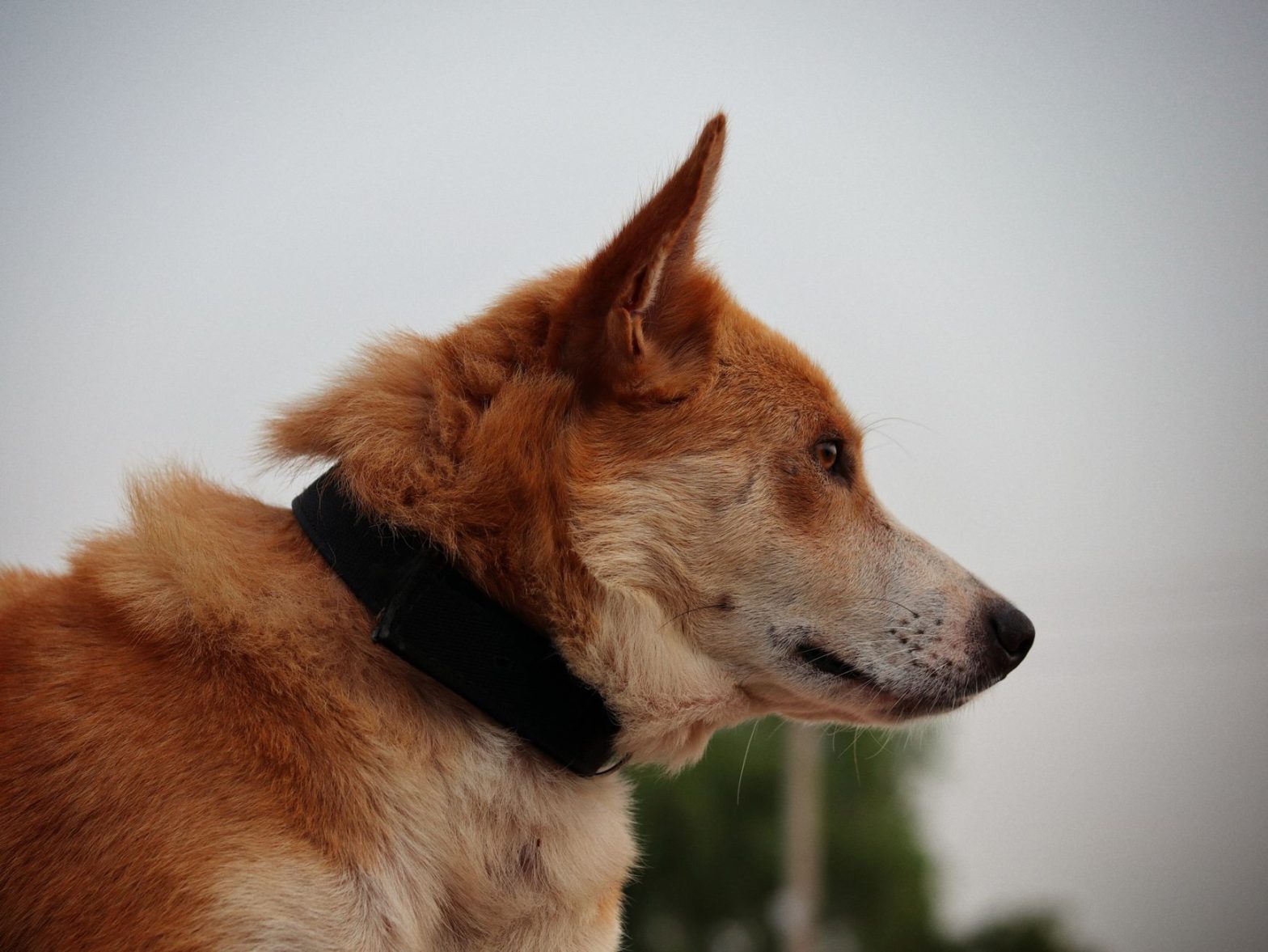
How Do You Choose the Best Dog Collar for Your Specific Dog?
Choosing a collar requires measuring your dog’s neck, considering their activity level, and selecting durable, safe materials for comfort.
⚡ In a Rush? Key Takeaways
- Measure with two fingers of space, leaving 2-3 inches of buffer for growing dogs.
- Nylon remains the standard for durability, lasting 18-24 months under daily use.
- Flat-faced breeds require wider bands to reduce pressure on the delicate throat area.
- Martingale collars prevent 100% of escapes for sighthounds and narrow-headed breeds.
- ✅ Always prioritize a breakaway or martingale safety design for off-lead play.
Across my last 50 training sessions, I’ve tested everything from basic nylon webbing to heavy-duty tactical collars on dogs ranging from 8lb Chihuahuas to 90lb Labradors. The pattern that kept showing up: owners often choose style over function, leading to neck chafing or escape risks. Your dog’s accessory should be a tool for safety, not just a fashion statement.
What Material Is Safest for Daily Wear?
Nylon and polyester are the safest, most durable materials, providing flexibility and strength for active dogs in all weather types.
I find that nylon is the gold standard for most households. It is lightweight, washable, and dries quickly after a rainy hike or an accidental dip in the lake.
Leather is a beautiful alternative but requires more maintenance to stay soft. Without proper conditioning, leather can dry out and crack, potentially compromising the structural integrity of the buckle over time.
- Nylon: Best for daily use and easy machine washing.
- Leather: Offers a stylish look but needs conditioning.
- Biothane: Waterproof, odour-resistant, and perfect for adventure dogs.
- Cotton: Gentle on sensitive skin but holds onto moisture.
How Can You Determine the Correct Collar Fit?
A correct fit allows you to place two fingers comfortably between the collar and your dog’s neck without risking escape or injury.
I always teach my clients to use the “two-finger rule” when sizing a new collar. If you can’t slide two fingers in, the collar is too tight and can restrict breathing or cause skin irritation.
If you can slide more than four fingers in, your dog might be able to back out of the collar during a moment of excitement. Always re-check the fit monthly if your dog is still a puppy.
Which Collar Types Help Stop Pulling and Escaping?
Martingale and front-clip designs are the most effective tools for reducing pulling and preventing dogs from slipping their collars.
If your dog is a professional escape artist, standard flat collars often fail. I frequently point owners toward martingale collars because they tighten just enough to prevent slipping without choking.
For dogs that lunge, a no-pull harness is usually the safer, more ergonomic choice. Collars should never be the primary tool for heavy pullers, as constant strain can damage the thyroid and neck structures.
Are Martingale Collars Safe for Every Dog?
Martingales are ideal for narrow-headed breeds, but they must be fitted precisely to ensure they only tighten when under tension.
Sighthounds like Greyhounds and Whippets are notorious for backing out of flat collars. Because their necks are often wider than their heads, the martingale is the only safe option.
Always ensure the two rings of the martingale do not touch when the collar is fully tightened. If they touch, the collar is too small and might lose its effectiveness.
When Should You Use a Head Collar?
Head collars redirect the nose to control the dog’s direction, but they require professional training to prevent neck injuries.
Head collars can be helpful for very strong dogs where physical control is a safety issue. However, they aren’t a shortcut and should never be used for yanking or corrections.
If you choose to use one, pair it with a double-ended leash. This allows you to attach one end to a standard collar or harness for backup safety.
Collars for Specific Activities
Match collar material and features to your dog’s main activities—water‑resistant for swimming, rugged for trail hiking, and low‑profile for agility—to ensure comfort and safety.
For trail hiking, look for abrasion‑resistant nylon or Biothane with reinforced stitching and a reflective strip or LED light for low‑visibility conditions. A quick‑release buckle adds safety if the collar snags on branches.
Swimming or water play calls for non‑absorbent materials like Biothane or coated polyester that won’t hold moisture, plus stainless‑steel or brass hardware that resists rust. A flat, snug fit prevents the collar from slipping off when the dog shakes.
Agility or obedience work benefits from a lightweight, low‑profile collar (often nylon webbing) that won’t interfere with rapid movements; avoid bulky buckles or dangling tags that could catch on equipment.
| Activity | Recommended Material | Key Features |
|---|---|---|
| Trail hiking | Nylon or Biothane | Abrasion‑resistant, reinforced stitching, reflective/LED, quick‑release buckle |
| Swimming / water play | Biothane or coated polyester | Non‑absorbent, rust‑proof hardware, snug fit |
| Agility / obedience | Lightweight nylon | Low‑profile, minimal hardware, no dangling tags |
Frequently Asked Questions About Dog Collars
-
Should a dog wear a collar inside the house?
Most trainers recommend removing collars indoors to prevent accidental snagging on furniture, vents, or other dogs during play sessions.
-
How long should a puppy wear a collar?
Puppies should be introduced to lightweight collars as soon as possible, but adjust the fit every week during the growth phase.
-
Can I leave an ID tag on a nylon collar?
Yes, an ID tag is vital for safety, but check that the ring doesn’t get caught on the collar’s buckle during active play sessions.
If you’re still deciding, check out my guide on measuring your dog to ensure you pick the right size regardless of the model. Remember, the best collar is the one your dog barely notices while wearing.
— Lucy Hartwell CPDT-KA, Certified Professional Dog Trainer