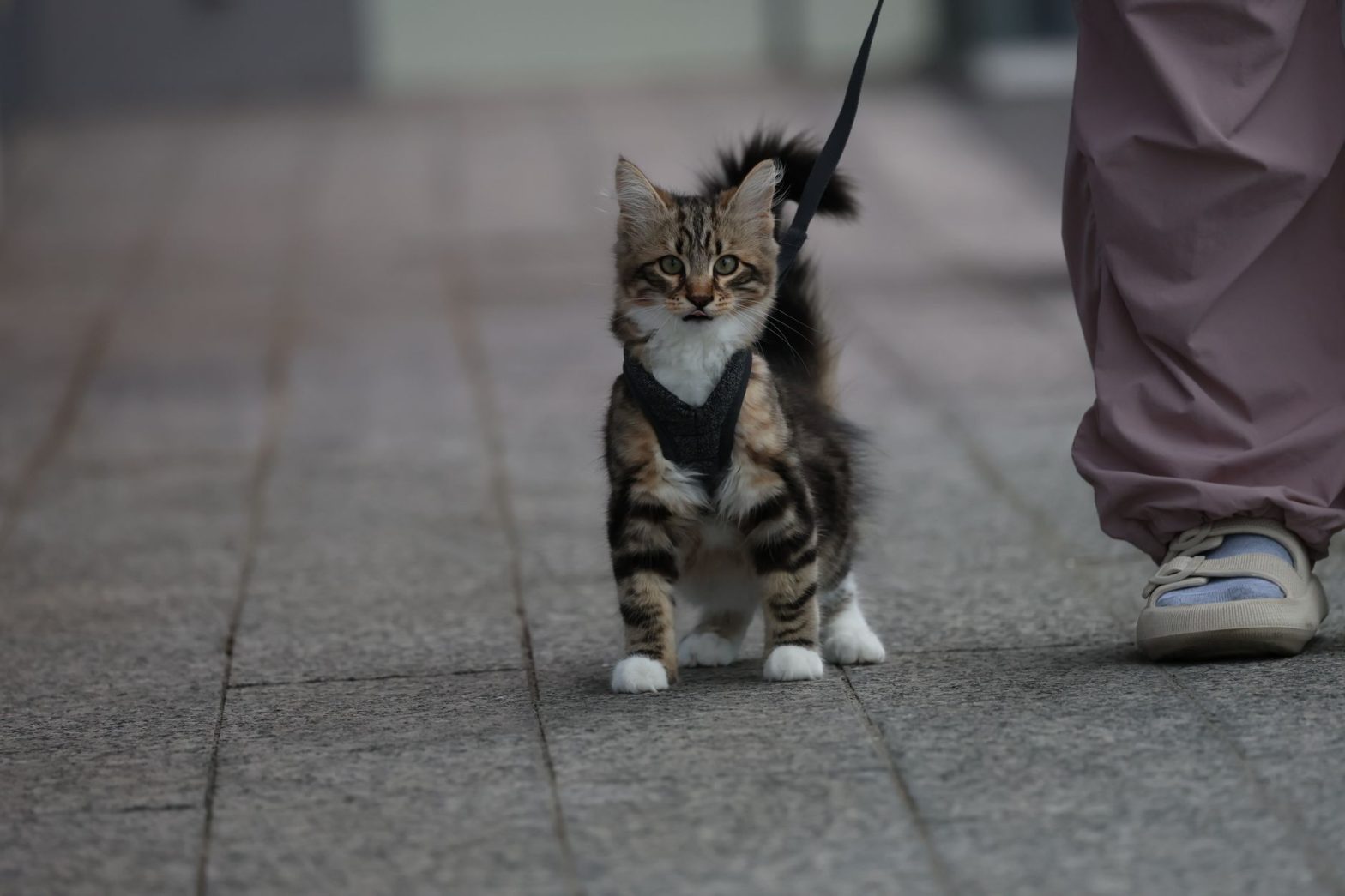
Cat harnesses are specialised wearable devices designed to provide secure control while allowing felines to explore safely outside their home environment. Choosing the right design is critical, as cats have flexible bodies that make them experts at slipping out of poorly fitted equipment.
⚡ In a Rush? Key Takeaways
- Most cats require 3 to 6 weeks of consistent positive reinforcement training to accept a harness.
- An escape-proof harness must feature at least two adjustment points to prevent sliding off the body.
- Step-in vest styles reduce pressure on the delicate throat area by 80% compared to standard collars.
- Measure your cat’s girth behind the front legs; 90% of returns are due to incorrect sizing.
- The best overall choice for security and comfort is a lightweight, adjustable mesh vest style.
Which Cat Harness Style Is Safest for Beginners?
Step-in vest harnesses are the safest choice for beginners as they distribute pressure across the chest rather than the sensitive neck.
Why Should You Choose a Step-In Vest Harness?
Vest designs prevent choking by pulling against the chest bone rather than the windpipe during sudden movements or cat anxiety.
As a trainer, I always steer new owners toward vest-style harnesses. These designs act like a soft hug, which many cats find comforting during their first outdoor sessions.
Unlike thin strap harnesses that can dig into the armpits, vests provide wide surface area coverage. This reduces the risk of chafing during longer walks.
- Provides balanced pressure distribution
- Difficult for cats to back out of
- Easy to put on and remove quickly
- Breathable fabrics keep cats cool
Are H-Style Harnesses Suitable for Every Cat?
H-style harnesses are best suited for slender adult cats that remain calm, as they provide less security for active escape artists.
The H-style is the classic choice, consisting of two loops connected by a bridge. It is very lightweight and minimal, which helps cats who dislike feeling confined.
However, if your cat is prone to panicked backwards lunges, the H-style may be too loose. Always test the fit in a secure indoor room before heading to your cat travel zones.
How Do You Properly Measure a Cat for a Harness?
Accurate measuring requires a soft tape placed snugly behind the front legs at the widest point of the rib cage for a perfect fit.
Why Does Girth Measurement Matter Most?
The girth measurement determines the harness security; if it is too loose, your cat will easily wiggle out during a nervous moment.
Most manufacturers base their sizing on the chest girth. When you measure, make sure your cat is standing naturally rather than sitting or lying down.
If you are looking to improve your pet’s lifestyle, I recommend reviewing our guide on cat enrichment to keep them active and engaged indoors.
How Much Room Should You Leave for Comfort?
Leave enough space for two fingers to slide between the harness strap and your cat’s body to ensure breathing remains unrestricted.
Never tighten a harness until it is skin-tight. A properly fitted harness should move slightly with the cat without shifting or rotating around the rib cage.
What Are the Best Training Tips for Harness Acceptance?
Training success depends on associating the harness with high-value treats and short, positive indoor sessions over several weeks.
How Do You Introduce the Harness Gradually?
Start by leaving the harness near your cat’s favorite sleeping spot so they can investigate and smell it without any pressure.
Once they show no fear, drape it over their back for a few seconds. Follow this immediately with a favourite treat to create a positive association.
When Is the Right Time to Move Outside?
Only move outdoors once your cat walks calmly through the house wearing the harness for at least ten minutes without showing distress.
For multi-cat households, check our guide on how to feed multiple cats without fighting to manage their social environment better. Keep the first outdoor trips short and confined to a quiet backyard.
Frequently Asked Questions
-
Can cats get out of escape-proof harnesses?
Even escape-proof harnesses can be breached if they are not sized correctly, so always perform a living-room test first.
-
Should I use a collar and a harness together?
A harness is safer for leash attachment, but a breakaway collar with an ID tag is essential for emergency identification purposes.
-
Are leash walking accessories worth the cost?
Quality harnesses are worth the investment because they prevent injury, provide security, and last longer than budget-tier gear.
Harness Style Comparison Table
| Style | Pros | Cons | Best For |
|---|---|---|---|
| Step‑in Vest | Even pressure distribution, easy to put on, hard to escape, breathable | Can be bulky for very small kittens, may overheat in hot weather | Beginners, active cats, cats that pull |
| H‑Style | Lightweight, minimal feel, good for calm cats | Less secure, easy to slip out if cat lunges backward | Slender, laid‑back adult cats |
| Jacket / Vest‑Style | Full coverage, extra warmth, reflective strips often included | Can restrict movement, may cause overheating | Cold climates, cats that like a snug feel |
| Figure‑8 | Simple design, adjustable, good for leash training | Pressure concentrated on neck/chest, easier to back out | Short‑term training, cats tolerant of neck pressure |
— Lucy Hartwell CPDT-KA, Certified Professional Dog Trainer