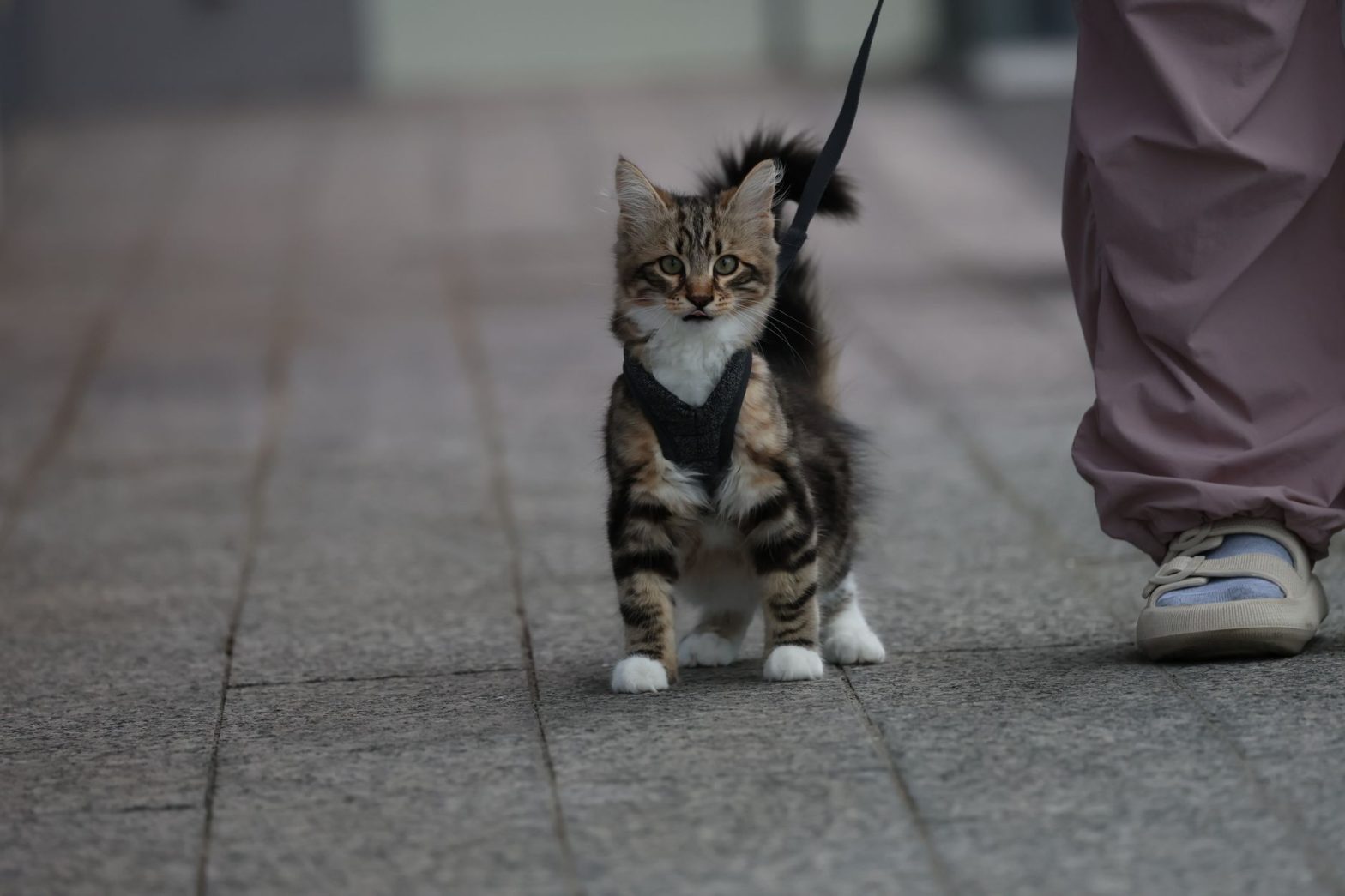
Cat harnesses are essential tools that allow your feline to explore the outdoors safely while preventing escape or injury. Finding the right fit is the most important step in ensuring your cat stays comfortable and secure during every adventure.
⚡ In a Rush? Key Takeaways
- Most cats require 2-4 weeks of indoor conditioning before their first outdoor walk.
- Weight distribution is critical, with 80% of pressure needing to stay on the chest.
- Always use a harness with at least 3 points of adjustment to prevent escape attempts.
- The best harness for nervous cats is a step-in vest design for better security.
How Do You Choose the Right Cat Harness?
Choosing the right cat harness requires measuring your cat’s girth accurately and selecting a design that avoids the sensitive neck area.
Why is harness design so important for cats?
Cat harness designs must prioritize back-clip attachment points to protect the delicate cervical spine from pulling or sharp jerks.
Unlike dogs, cats have a skeletal structure that makes them escape artists by nature. A harness must be tight enough to be secure but loose enough to prevent restriction of movement during their natural pouncing gait.
I have observed that most off-the-shelf options fail because they don’t account for the unique flexibility of the feline spine. Always look for breathable materials that don’t trap excessive body heat.
What measurements do you need before buying?
Measure the girth behind the front legs and the base of the neck to determine the correct size for a secure feline fit.
Grab a soft measuring tape and ensure your cat is standing comfortably on all fours. Add two fingers of space beneath the tape to ensure the fit isn’t too restrictive.
- Girth: Measure at the widest part of the chest
- Neck: Measure where a standard collar sits
- Weight: Always verify against the brand’s specific chart
- Reach: Ensure the shoulder blades have full range
Which Cat Harnesses Are Safest for Escape Artists?
The safest cat harnesses for escape artists feature dual-adjustment points on the chest and belly to prevent backing out of the gear.
Why do cats slip out of their harnesses?
Cats slip out of harnesses when the straps lack belly support or when the neck opening is wide enough to allow over-the-head exit.
Most escape incidents occur when a cat panics and pulls backward, creating a gap at the collar. A properly fitted cat travel harness includes a secondary belly strap that prevents this specific movement.
| Harness Type | Security Level | Best Use Case |
| Vest Style | High | Anxious or new harness wearers |
| H-Style | Medium | Lightweight, casual walks |
| Figure-8 | Low | Brief outdoor outings |
How can you test a harness for security at home?
Test your cat’s harness security indoors by allowing them to walk around in a distraction-free area while monitored closely.
Fit the harness for 10 minutes at a time while your cat is eating or playing. If they can pull their front paws back or wiggle out, the chest strap is definitely too loose.
How Do You Train a Cat to Walk on a Leash?
Training a cat to walk on a leash requires patience and should start with brief, positive sessions inside the home first.
What is the step-by-step training process?
Start by introducing the harness as a neutral object, progress to wearing it, then attach a light leash for indoor practice.
Once your cat is comfortable, indoor enrichment can be combined with short leash walks. Never drag or pull your cat; allow them to lead the way and explore at their own speed.
- Day 1-3: Let the cat sniff the harness
- Day 4-7: Place the harness on for treats
- Day 8-14: Walk inside while attached to a leash
- Day 15+: Attempt the first short outdoor session
Should you use a retractable leash with your cat?
Avoid retractable leashes for cats because the constant tension creates anxiety and the thin cord can cause accidental tangling.
A static 4-foot or 6-foot lead is much safer for cats. It gives you better control and prevents the cat from reaching high-traffic areas too quickly.
Frequently Asked Questions
-
Can all cats be trained to use a harness?
Not every cat will enjoy harness walking, as some temperaments prefer the safety of indoor environments or enclosed cat spaces.
-
Is a harness better than a collar for cats?
Harnesses are always safer than collars because they distribute pressure across the chest rather than the fragile feline throat area.
-
What do you do if your cat freezes while wearing a harness?
If your cat freezes, they are likely feeling overwhelmed, so provide positive reinforcement and let them adjust at their own pace.
-
How long can a cat safely stay in a harness?
Keep harness sessions short to prevent discomfort, typically limiting active outdoor time to 15-30 minutes for new leash walkers.
-
How do you care for and maintain a cat harness?
Regular cleaning and inspection extend the life of the harness and keep it safe for your cat.
Hand wash the harness in mild soap and cool water, then air dry away from direct heat. Check stitching, buckles, and adjustment points for wear before each use; replace the harness if any fraying or damage is found.
As you continue your journey into multi-cat household management or outdoor adventures, remember that the goal is always your cat’s confidence. If your cat shows signs of stress, return indoors and try again on a quieter day.