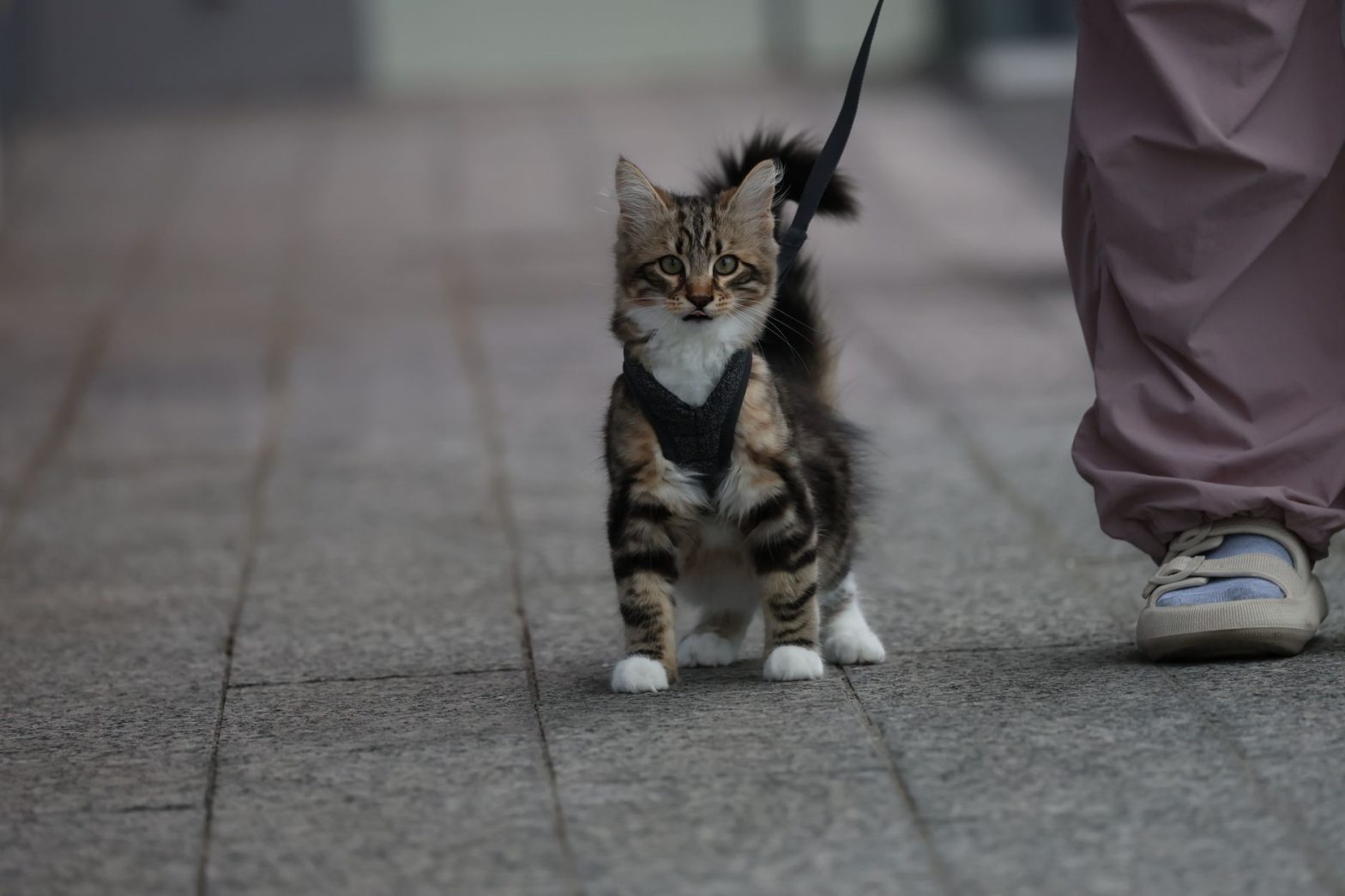
Cat harnesses are specialized walking gear designed to secure your cat using a harness that distributes pressure across the chest rather than the neck. Using a harness allows for safer outdoor exploration or vet visits while minimizing the risk of your cat slipping out and running away.
⚡ In a Rush? Key Takeaways
- H-style harnesses offer 4 points of adjustment, which is critical for preventing feline escapes.
- Over 85% of cats initially freeze when wearing a harness, which is a normal stress response.
- Vest-style harnesses provide 20% more surface area coverage for cats prone to wiggling out.
- Always choose a harness that weighs less than 5% of your cat’s total body weight for comfort.
- ✅ My top pick for 2026 is the Rabbitgoo Escape-Proof Vest for its secure dual-buckle system.
Which Cat Harness Style Is Safest for Your Pet?
The safest cat harness style is the vest-harness because it uses broad straps to prevent pressure points and escape attempts.
Why should you choose a vest-style harness?
Vest harnesses distribute weight across the chest and back to protect the throat from injury during sudden pulling or lunging.
When I test gear for my own cats, I prioritize the distribution of pressure. A traditional collar puts all the force on the delicate structures of the throat. Vest-style options keep the weight where the cat is strongest.
- Padded fabric reduces chafing against sensitive skin
- Secures the entire torso to limit escape wiggles
- Easier for owners to grip in an emergency
Are H-style harnesses better for active cats?
H-style harnesses are best for agile cats needing freedom of movement without the added heat or bulk of a full vest cover.
If your cat is naturally active and dislikes bulky fabrics, the H-style is a great middle ground. It consists of two loops connected by a strap, which is often easier to fit on slender frames.
For more advice on keeping your home environment stimulating, see my guide to indoor cat enrichment to help your pet stay active inside.
How Do You Measure Your Cat for a Harness?
Measure the neck circumference and the widest part of the chest behind the front legs to ensure a snug but comfortable fit.
What is the two-finger rule for harness fitting?
The two-finger rule means you should be able to slide two fingers between the harness straps and the cat body for optimal comfort.
I always tell clients that fit is everything. If the harness is too loose, the cat will escape within seconds of being outside. If it is too tight, they will refuse to move.
| Measurement | Location | Goal |
|---|---|---|
| Neck | Base of the neck | Snug fit |
| Chest | Behind front legs | Two-finger gap |
Why does the harness position matter?
A correctly positioned harness sits on the rib cage to allow natural shoulder blade movement without creating any restriction.
If the harness rides up too high, it hits the windpipe. If it sits too low, it hinders the natural walking gait, which makes the cat feel vulnerable and scared.
How Do You Train a Cat to Wear a Harness?
Training involves short sessions of positive reinforcement with high-value treats to create a calm association with the gear.
How can you desensitize your cat to the equipment?
Let your cat sniff the harness and play near it for several days before attempting to put it on their body for the first time.
Patience is your best friend here. If you move too fast, your cat will link the harness to stress. I use treats as a constant distraction during these sessions.
- Feed treats while the harness is near
- Place the harness on briefly without clipping
- Increase duration only when the cat seems relaxed
Is indoor practice necessary before going outside?
Indoor practice is essential because it allows your cat to learn how to move safely within a familiar, secure environment first.
Before you ever open the door, your cat should be walking comfortably in the living room. If you need tips on preparing your house, check my senior cat mobility guide to ensure your floors are safe for training.
Frequently Asked Questions
-
Can my cat escape from a harness?
Yes, if the harness is improperly fitted or designed poorly, a determined cat can pull their head out through backward movement.
-
How often should I check the harness fit?
Check the fit every single time you put it on to account for weight fluctuations or fur thickness changes throughout the year.
-
What if my cat freezes while wearing the harness?
Freezing is a normal feline survival response that usually passes after the cat is distracted by a toy or a high-value treat.
Find quick answers to the most common concerns regarding cat harnesses, sizing, and safety protocols for new adventurers.
If you are planning a trip with your pet, consider our cat travel safety guide to ensure their comfort on the road. Remember, a harness is a tool for connection, so keep every session focused on your cat’s confidence. — Lucy Hartwell CPDT-KA, Certified Professional Dog Trainer