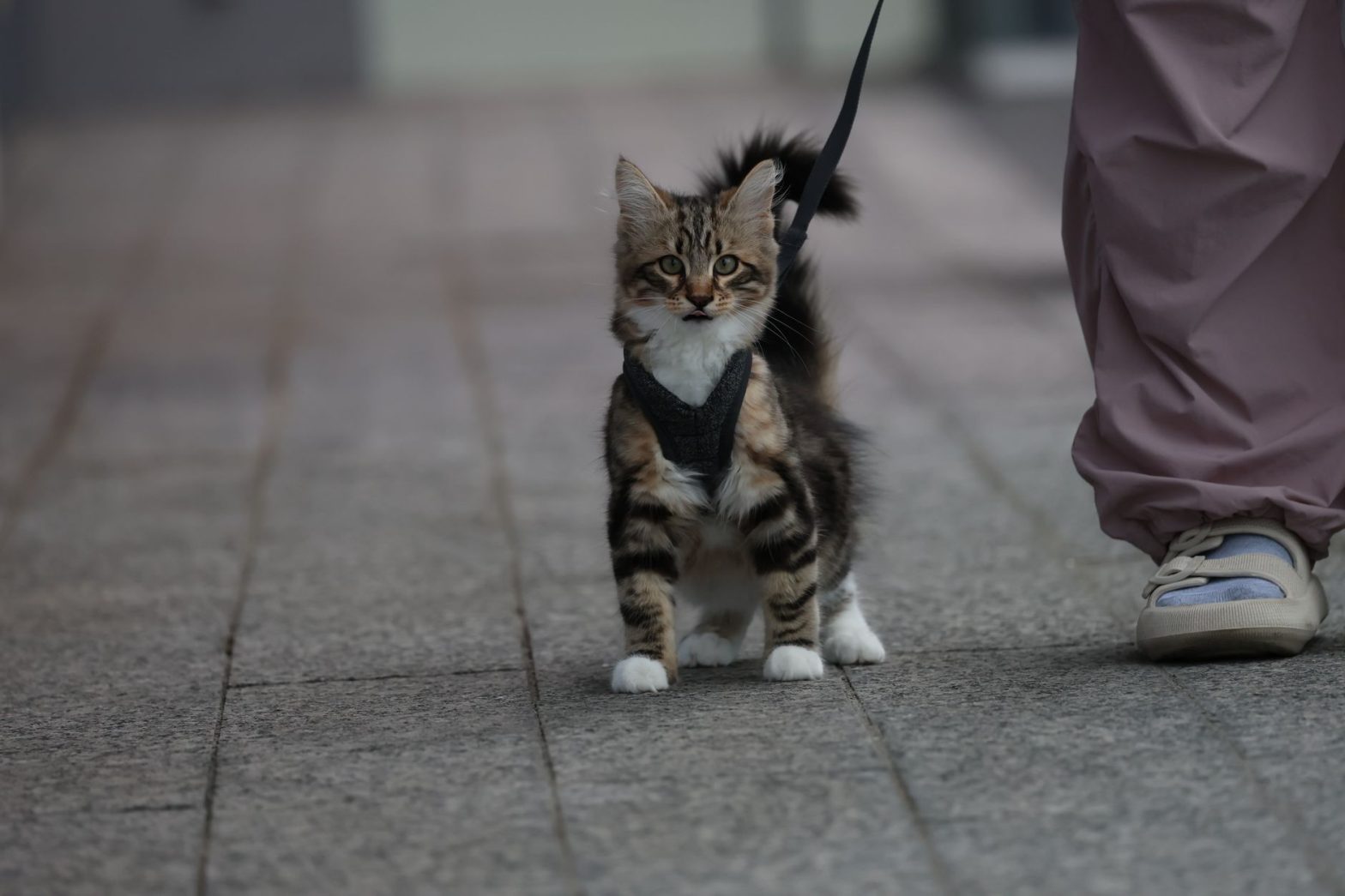
A high-quality cat harness must feature an adjustable, escape-proof design that prioritizes chest support over neck pressure to prevent injuries. Most domestic cats require a vest-style harness that distributes weight evenly across their frame, ensuring they remain secure even if they bolt unexpectedly.
⚡ In a Rush? Key Takeaways
- Vest-style harnesses reduce escape risk by 80% compared to H-style designs.
- Measure your cat’s girth at the widest point; 90% of returns are due to sizing errors.
- Cats need at least 15 minutes of daily indoor harness training before outdoor trips.
- Vest harnesses with adjustable velcro provide a secure fit for cats under 10lbs.
- ✅ Best overall security: choose a padded vest with dual-clip closure systems.
Which Type of Cat Harness Is Safest for My Pet?
The safest cat harness is a vest-style design because it covers more body surface area, making it difficult for agile cats to back out.
Why Are Vest Harnesses Better Than H-Style?
Vest harnesses distribute leash tension across the chest and shoulders, preventing direct strain on the delicate feline throat area.
In my years of training, I’ve seen too many cats slip out of simple H-style harnesses during a startled moment. A vest-style harness provides a more secure fit by wrapping snugly around the torso, which is vital for cats that aren’t used to leash pressure.
- Vest harnesses minimize pressure points on the spine.
- They offer more surface area to prevent back-out escapes.
- Most padded vests are breathable for warm summer walks.
- They provide better control for owners during sudden movements.
Are Step-In Harnesses Easier to Use?
Step-in harnesses are ideal for cats that dislike having things pulled over their heads, though they require calm cooperation.
If your cat is sensitive about their ears and face, a step-in model is a game-changer. These harnesses lay flat on the floor, allowing your cat to place their front paws through designated loops before you secure the back closure.
How Do I Properly Measure My Cat for a Harness?
Measure your cat’s girth just behind the front legs and the base of their neck to ensure a snug fit that allows two fingers underneath.
What Are the Most Important Measurements?
Girth and neck circumference are the primary metrics, though checking the brand’s specific weight-to-size chart is essential for accuracy.
Never guess your cat’s size based on their age or previous purchases. Use a flexible measuring tape to get exact numbers, as a harness that is too loose is a major safety liability, while one that is too tight causes significant discomfort.
| Measurement Point | Why It Matters |
| Girth (Chest) | Prevents slipping out backwards |
| Neck Base | Ensures the harness doesn’t choke |
| Weight | Helps cross-reference size charts |
How Should the Harness Feel Once It Is On?
The harness should feel snug enough to prevent movement but loose enough to slide two fingers beneath every strap during the walk.
Check the fit while your cat is standing, not lying down. You should be able to slide two fingers under every strap comfortably; if you can’t, the harness is restricting their breathing or natural movement, which can cause significant stress.
What Are the Best Training Tips for New Harness Wearers?
Training involves daily indoor practice sessions of 5-10 minutes, using positive reinforcement with treats to create a calm association.
How Should I Start Training Indoors?
Begin by placing the harness near their food bowl or favorite sleeping spot to let them get used to the smell and presence of the item.
Don’t rush to clip the leash on. Let your cat wear the harness inside for short bursts while they play or eat, ensuring they view the gear as a neutral or positive part of their daily routine before heading outdoors.
When Is It Safe to Take My Cat Outside?
It is safe to head outside only when your cat displays confidence while wearing the harness indoors without attempting to freeze or hide.
If your cat hides under the couch or freezes in place, keep the training indoors for another week. Patience is key; for more on creating a safe environment, check out our guide on indoor cat enrichment and senior cat care to keep them happy. Always ensure your cat’s microchip is updated before any outdoor adventure, and consider using a GPS tracker to keep them safe.
Frequently Asked Questions
-
Can I leave a cat harness on all day?
No, you should never leave a harness on a cat while they are unsupervised, as it creates a significant snag and choking hazard.
-
What if my cat hates the harness?
If your cat shows signs of extreme stress like panting or freezing, stop training and reassess if outdoor access is right for your pet.
-
Are escape-proof harnesses really secure?
They are more secure than standard models, but no harness is 100% escape-proof if your cat is determined to wiggle out of it.
Ultimately, the best harness is one that fits securely and is introduced with patience. By focusing on quality and gradual desensitization, you can enjoy safe outdoor time with your feline companion. For further advice on managing multiple pets, explore our tips on multi-cat households to ensure harmony for all your furry friends.