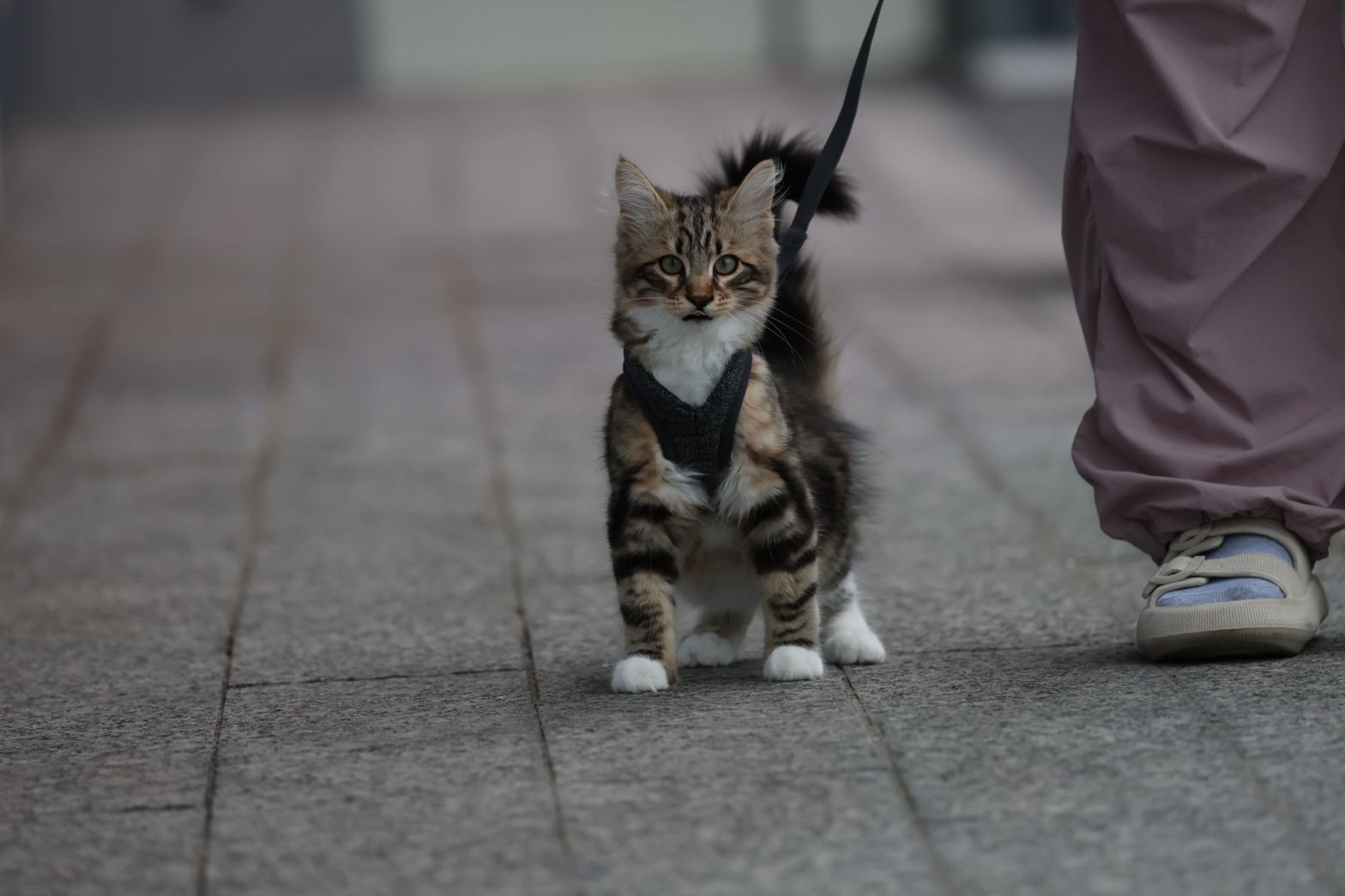
Cat harnesses are specialized walking gear designed to secure a cat’s body comfortably without putting pressure on their delicate throat or neck. Using a well-fitted harness allows you to explore the outdoors with your cat safely, provided the gear is escape-proof and designed for their unique feline anatomy.
⚡ In a Rush? Key Takeaways
- Most cats require 2 to 4 weeks of indoor practice before venturing outside safely.
- Always choose a harness with 4 points of adjustment to prevent escape attempts.
- Cats weighing under 10 pounds should use extra-small vests to ensure a snug fit.
- ✅ Verdict: A vest-style harness is the safest choice for nervous feline adventurers.
How Do You Choose the Safest Cat Harness for Your Pet?
The safest cat harness features a vest-style design with dual attachment points to distribute pressure away from the cat’s neck.
Why Are Vest-Style Harnesses Safer Than Traditional Straps?
Vest harnesses cover more surface area on the cat’s torso, which effectively prevents them from wiggling out of the gear during walk.
As a trainer who has seen many “Houdini” cats, I always steer clients toward vest-style options. They provide a much higher level of security than thin strap harnesses, which cats can often slip out of in a panic.
By spreading the pull pressure across the shoulders and chest, these vests prevent the dangerous neck-tugging that can cause injury. For more on feline mobility, check out our guide on senior cat support during travel.
What Is the Importance of Multiple Adjustment Points?
Multiple adjustment points allow for a custom fit that prevents gaps where a cat could easily escape during sudden movements.
- Look for at least 4 independent adjustment buckles for a secure fit.
- Ensure the chest strap doesn’t obstruct the cat’s natural shoulder movement.
- Always verify that you can fit two fingers comfortably under the chest band.
- Select adjustable neck straps to accommodate different breed builds.
What Materials Are Best for Cat Harnesses?
The ideal harness combines lightweight, breathable fabrics with sturdy hardware to keep cats comfortable and secure during outdoor adventures.
Look for harnesses made from soft, breathable mesh or lightweight nylon that wicks moisture and prevents overheating, especially important for cats prone to stress. Many models feature a padded interior lining of fleece or neoprene to reduce chafing during longer walks.
Hardware should be rust-resistant, preferably stainless steel or high-quality plastic buckles that won’t break under tension. Reflective strips or piping add visibility for low‑light conditions, and some harnesses include a metal D‑ring for attaching an ID tag or a small light.
Which Features Make a Harness Truly Escape-Proof?
Escape-proof harnesses feature a full-torso coverage design combined with secure belly straps to stop backward wiggling motions.
Why Do Cats Try to Escape Their Harnesses?
Cats attempt to escape because the harness feels unnatural, especially if they are overstimulated or startled by outdoor noises.
It is rarely about the harness itself and almost always about the environment. If your cat is feeling overwhelmed, you might need to look into enrichment tools to build their confidence indoors first.
Most cats need to spend time in their harness indoors before they ever see a patch of grass. I recommend starting with short five-minute sessions while playing their favorite games.
How Can Belly Straps Improve Harness Security?
Belly straps act as a physical barrier that prevents a cat from pulling their back legs out and reversing out of the harness.
| Feature | Benefit for Security |
|---|---|
| Full Back Plate | Prevents climbing and twisting |
| Double Buckles | Reduces risk of mechanical failure |
| Velcro + Clip | Adds redundant layers of protection |
How Should You Measure Your Cat for a New Harness?
Measure the neck circumference and the widest part of the chest behind the front legs to ensure an accurate, secure harness fit.
What Is the Correct Way to Measure a Cat?
Use a soft fabric tape measure to wrap snugly around the neck and chest, adding an inch of room for comfortable feline breathing.
Don’t guess the size based on your cat’s weight alone. Every brand uses different sizing charts, and a “medium” in one brand can be an “extra-large” in another.
Why Does Breed Anatomy Affect Harness Sizing?
Different breeds have varying chest depths and shoulder widths which significantly change how a standard harness fits your cat.
- Maine Coons often need extra-long back panels due to their length.
- Sphynx cats may require softer, high-quality fleece linings to prevent chafing.
- Short-legged breeds like Munchkins need narrower chest plates to walk comfortably.
Frequently Asked Questions
-
Are retractable leashes safe for cats?
Retractable leashes are generally unsafe for cats because they provide inconsistent tension and may break during a sudden scare.
-
How long does cat harness training take?
Most cats require two to four weeks of consistent indoor training to feel comfortable and safe inside a new harness setup.
-
Can I use a dog harness on my cat?
Most dog harnesses are too heavy and bulky for cats, which can restrict their movement and increase their desire to escape.
Common questions about harness safety and training help owners successfully transition their cats to outdoor walking adventures.
Remember that cat safety is the priority during these training sessions. If you are preparing for bigger trips, check our cat travel resources for more advice on keeping your companion calm on the move.