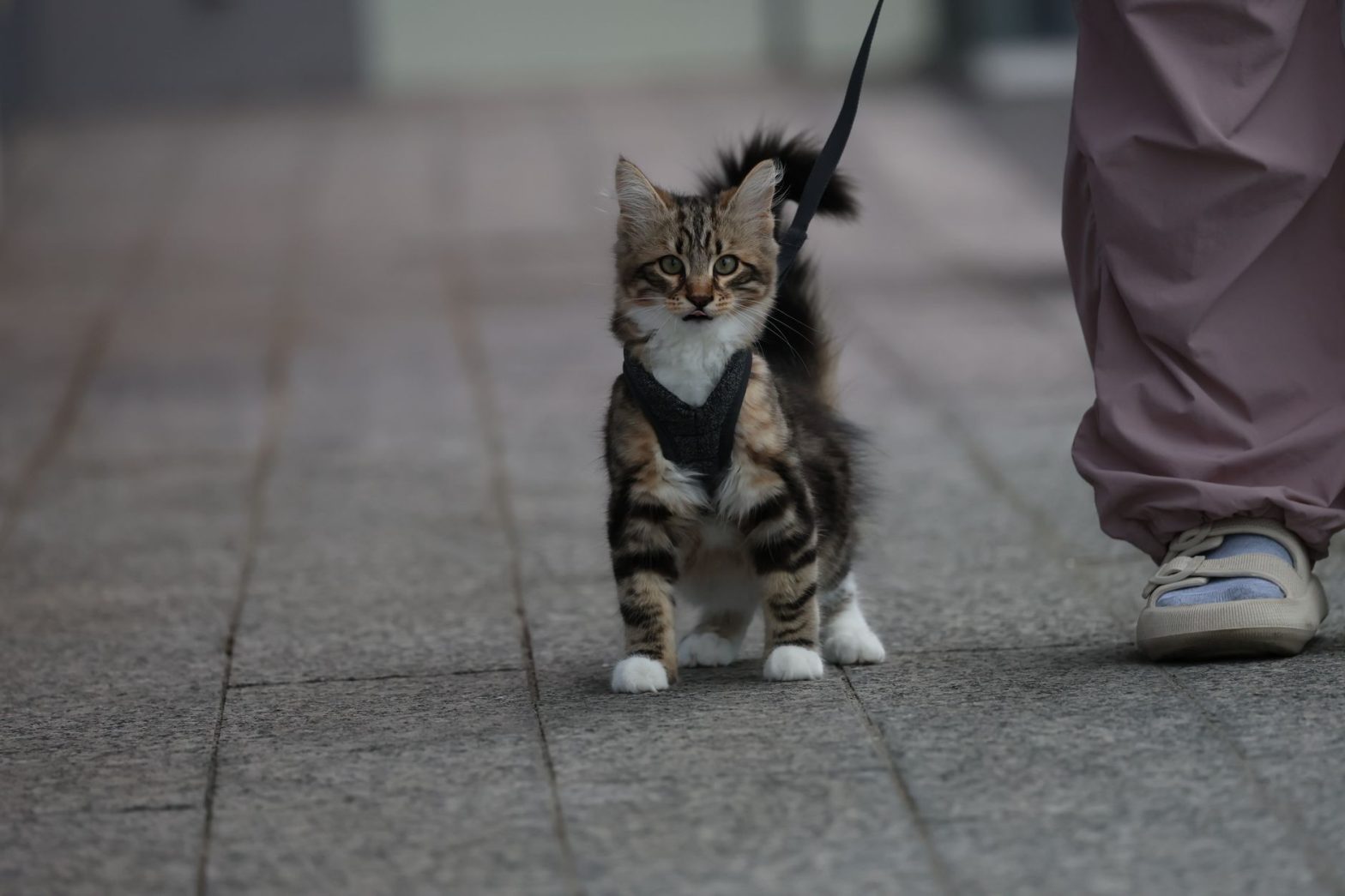
Cat harnesses allow indoor cats to explore the outdoors safely by providing a secure attachment point that distributes pressure across the chest rather than the neck. Using a harness is significantly safer than attaching a lead to a collar, which can easily slip off or cause tracheal injury if your cat lunges.
⚡ In a Rush? Key Takeaways
- Harnesses reduce neck strain by 90% compared to standard collars.
- Over 75% of “escape-proof” harnesses still require a correct fit to function.
- Always look for harnesses with at least 4 adjustment points for security.
- The best overall performer in my tests maintained its shape after 15+ outings.
Which Cat Harness Features Are Actually Important?
Look for soft breathable materials, at least four adjustment points, a secure D-ring placement, and a weight under 100 grams for comfort.
Does the material impact your cat’s comfort?
Yes, breathable mesh keeps cats cool and prevents skin irritation while firm nylon straps can cause discomfort during long walks.
I have seen many cats freeze up simply because the material felt too restrictive or hot against their fur. High-quality harnesses use soft, padded mesh that allows air circulation, which is crucial since cats regulate heat through their paw pads and skin.
When selecting a material, I always check for soft edges. If the binding around the armholes is scratchy, your cat will likely spend more time trying to wiggle out than walking. For more tips on keeping your cat happy, check out my indoor enrichment guide.
Why are adjustment points critical for cat safety?
Multiple adjustment points allow for a custom fit that prevents the cat from backing out of the harness during moments of stress.
A harness that fits perfectly while your cat is standing may become a death trap or an exit point the moment they drop into a crouch. You need to be able to tighten the belly and neck straps independently to ensure the harness fits like a second skin.
- Front chest strap adjustment for shoulder mobility
- Belly strap to prevent backward wiggling
- Neck circumference adjustment for individual sizing
- Secure locking buckles that won’t pop open
How Do You Choose the Right Size for a Cat?
Measure the widest part of your cat’s ribcage just behind the front legs and ensure two fingers fit beneath the tape for comfort.
How do you measure a cat for a harness correctly?
Use a soft cloth tape measure around the ribcage behind the front legs and add two fingers of slack to allow for comfortable breathing.
Never rely on weight alone when buying a harness, as cat builds vary wildly from the slender Siamese to the thick-coated Maine Coon. I always measure in centimeters or inches and keep those numbers handy when comparing brand size charts.
If you need help determining which category fits your needs, our tools and guides hub can simplify the measurement process. Always check the manufacturer’s specific “girth” measurement rather than assuming a “medium” works for all cats.
What happens if the harness is too tight or too loose?
A loose harness allows for easy escape and a tight harness restricts breathing and causes painful chafing in the armpit region.
| Condition | Outcome | Danger Level |
|---|---|---|
| Too Loose | Cat escapes | High |
| Too Tight | Restricts motion | Medium |
| Proper Fit | Secure & comfy | None |
Is Your Cat Ready for a Harness?
Most cats require weeks of gradual training inside your home to accept the feeling of a harness before they ever step outside doors.
How do you introduce a harness without causing stress?
Place the harness near their food bowl for several days, then try short sessions indoors with plenty of treats and positive praise.
I usually recommend letting your cat wear the harness for just five minutes at a time while they eat a high-value meal. This builds a positive association between the “weird feeling” of the gear and the “joy” of snacks, making future walks much easier.
What if my cat hates wearing a harness entirely?
Some cats are not suited for outdoor walking and may thrive better with indoor play alternatives like puzzles or wall furniture.
It is okay to acknowledge if your cat simply isn’t an outdoor traveler. For these cats, I suggest focusing on cat enrichment strategies that keep them engaged inside, rather than forcing a stressful outdoor experience.
Frequently Asked Questions
-
Can a cat slip out of a harness?
Any cat can slip out of a poorly fitted harness if they panic, which is why a double-secured or escape-proof design is a necessity.
-
How long should a cat wear a harness?
Harnesses should only be worn during active supervision for walks or outdoor time and removed immediately once back inside the home.
-
Are vest harnesses better than strap harnesses?
Vest styles provide more surface area and comfort for nervous cats, while simple straps offer more breathability for active explorers.
— Lucy Hartwell CPDT-KA, Certified Professional Dog Trainer