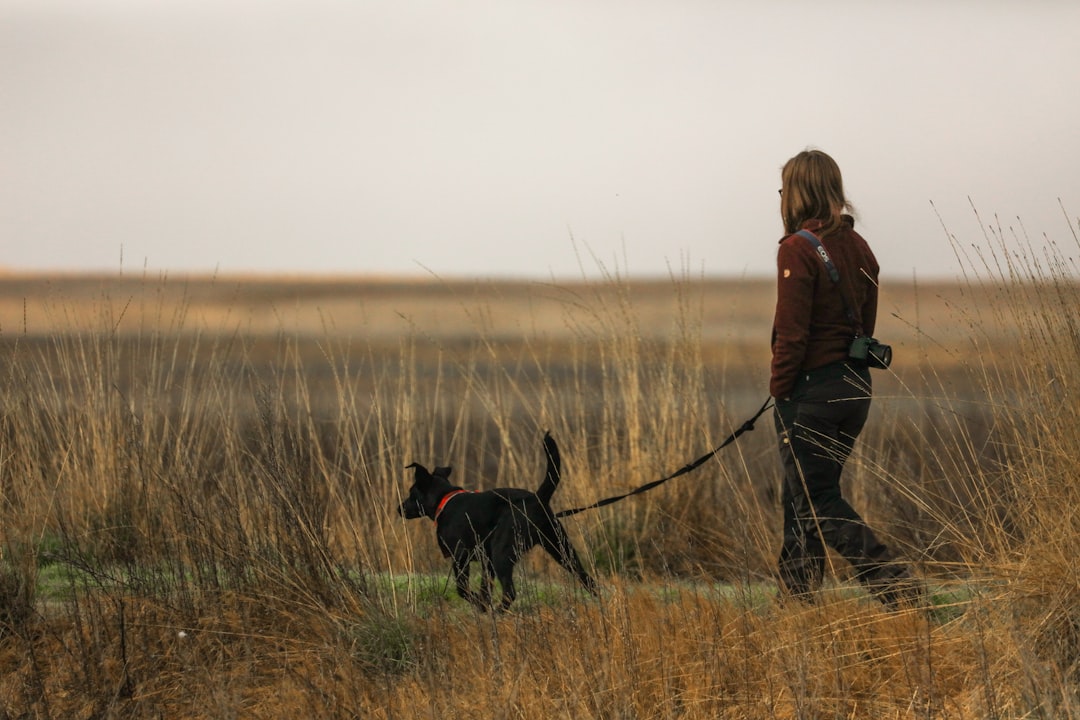
Is a cat harness a good idea for outdoor cats?
Yes, a cat harness and leash are essential for taking your cat outdoors safely. Unlike dogs, cats aren’t naturally inclined to stay by your side, so a harness prevents them from running off and getting lost. It allows them to explore the outdoors while remaining securely attached to you.
What features should I look for in a cat harness?
When choosing a cat harness, consider these features for safety and your cat’s comfort:
- Secure Fit: The harness should fit snugly but not too tightly, preventing escape.
- Adjustable Straps: Adjustable straps allow you to customize the fit to your cat’s body.
- Breathable Material: Breathable materials like mesh will keep your cat comfortable, especially in warm weather.
- Escape-Proof Design: Look for harnesses with multiple security features to prevent your cat from slipping out.
- Reflective Elements: Reflective strips enhance visibility in low-light conditions.
- Lightweight Construction: A lightweight harness won’t weigh your cat down.
What are the different types of cat harnesses?
Cat harnesses come in a few main styles:
- H-Harness: This basic design has two loops connected by straps, forming an “H” shape. Simple and often more affordable, however, might be less secure for escape artists.
- Vest Harness: Vest harnesses cover more of the cat’s body, providing a more secure and comfortable fit. Many owners find them more secure so their cat doesn’t slip out.
- Figure-8 Harness: This type wraps around the cat’s neck and torso in a figure-8 shape. Can be difficult to find the right fit and are less preferred than the other two options.
Best Cat Harnesses for Outdoor Cats: Our Top Picks
After testing several cat harnesses with my own cats, here are my top recommendations for outdoor adventures:
Rabbitgoo Escape Proof Cat Harness Vest
TheRabbitgoo cat harness is a popular vest-style harness known for its escape-proof design. It features adjustable straps, breathable mesh, and reflective strips.
Pros:
- Very secure, escape-proof design
- Breathable mesh material
- Adjustable straps for a customized fit
- Reflective strips for visibility
Cons:
- Can be a bit bulky for smaller cats
- Some cats may not like the vest style
Is your cat an escape artist? See these martingale dog collars for an extra layer of security.
Voyager Step-in Air Cat Harness
The Voyager Step-in Air cat harness is a comfortable and easy-to-use harness that’s perfect for cats who dislike having things pulled over their head.
Pros:
- Step-in design is easy to put on and take off
- Soft, breathable mesh material
- Adjustable straps for a secure fit
- Available in a variety of colors
Cons:
- May not be as escape-proof as other harnesses
- Velcro closure may wear out over time
PetSafe Come With Me Kitty Harness and Bungee Leash
The PetSafe Come With Me Kitty Harness is designed specifically for cats, featuring a gentle, controlled design and a bungee leash to prevent pulling.
Pros:
- Gentle, controlled design
- Bungee leash prevents pulling
- Adjustable straps for a secure fit
- Easy to put on and take off
Cons:
- May not be suitable for cats who are strong pullers
- Some cats may not like the feel of the harness
How to Train Your Cat to Wear a Harness
Introducing your cat to a harness requires patience and positive reinforcement. Here’s a step-by-step guide:
- Start Indoors: Begin by letting your cat get used to the harness inside the house. Place the harness near their favorite spots so they can get used to seeing and smelling it.
- Introduce the Harness: Gently place the harness on your cat for a few minutes at a time. Use treats and praise to create a positive association.
- Short Wearing Sessions: Gradually increase the amount of time your cat wears the harness. Start with 5-10 minutes and work up to longer sessions.
- Attach the Leash: Once your cat is comfortable wearing the harness, attach the leash. Let them drag the leash around the house so they get used to the feeling of it.
- Indoor Walks: Practice walking your cat indoors with the harness and leash. Use treats to guide them and reward them for following you.
- Outdoor Introduction: When your cat is comfortable indoors, start taking them outside for short periods. Choose a quiet, safe area with minimal distractions.
- Gradual Exposure: Slowly increase the amount of time you spend outside with your cat. Let them explore at their own pace and always supervise them closely.
Safety Tips for Walking Your Cat Outdoors
Walking your cat outdoors can be a fun and rewarding experience, but it’s important to prioritize their safety. Here are some essential safety tips:
- Choose Safe Locations: Avoid busy streets, areas with heavy traffic, and places with a lot of dogs or other potential hazards.
- Keep the Leash Short: Always keep the leash short to maintain control over your cat. This will prevent them from running into danger or getting into fights with other animals.
- Supervise Closely: Never leave your cat unattended while they’re wearing a harness and leash. Always supervise them closely to ensure their safety.
- Watch for Hazards: Be aware of potential hazards such as poisonous plants, sharp objects, and other dangers. Keep your cat away from these hazards to prevent injury or illness.
- Carry Identification: Make sure your cat has proper identification, such as a microchip or ID tag. This will help ensure they can be returned to you if they get lost.
- Be Aware of the Weather: Avoid walking your cat outdoors during extreme weather conditions, such as very hot or cold temperatures. Cats are sensitive to temperature changes and can quickly become overheated or chilled if they’re exposed to extreme weather.
Cat Harness Size Chart: Finding the Right Fit
To find the right size harness, measure your cat’s girth (the widest part of their chest) and neck circumference. Compare these measurements to the size chart provided by the harness manufacturer. If your cat is between sizes, it’s generally best to choose the larger size. You can also use our dog harness size calculator for an approximate size, but always double-check with the manufacturer’s chart.
It’s also important to consider your cat’s body shape when choosing a harness. Some harnesses are better suited for slender cats, while others are designed for cats with a more robust build.
Are you considering a GPS tracker for your cat? See these Best GPS Trackers for Cats.
Frequently Asked Questions (FAQs)
-
Can I leave a harness on my cat all day?
It’s generally not recommended to leave a harness on your cat all day. Harnesses can become uncomfortable if worn for extended periods, and they can also pose a safety hazard if your cat gets tangled in something. It’s best to only put the harness on your cat when you’re actively supervising them.
-
How do I know if the harness fits properly?
A properly fitted harness should be snug but not too tight. You should be able to fit two fingers between the harness and your cat’s body. The harness should not restrict your cat’s movement or cause them any discomfort.
-
My cat hates wearing a harness. What should I do?
If your cat hates wearing a harness, start slowly and gradually introduce them to it. Use treats and praise to create a positive association. Start by letting them wear the harness for a few minutes at a time and gradually increase the amount of time. If your cat is still resistant, consult with a veterinarian or professional cat trainer for guidance.
-
Can I use a dog harness on my cat?
It’s generally not recommended to use a dog harness on your cat. Dog harnesses are designed for dogs, who have a different body shape and size than cats. A dog harness may not fit properly on a cat, and it could pose a safety hazard.
-
How often should I walk my cat outdoors?
How often you walk your cat outdoors depends on their individual needs and preferences. Some cats enjoy going outside every day, while others prefer to stay indoors. Start by taking your cat outside for short periods a few times a week and gradually increase the frequency and duration as they become more comfortable.
Conclusion
Choosing the best cat harness for outdoor cats involves considering safety, comfort, and escape-proof design. By using the right harness and training techniques, you can safely enjoy outdoor adventures with your cat. Always prioritize your cat’s safety and comfort, and never force them to do anything they’re not comfortable with.