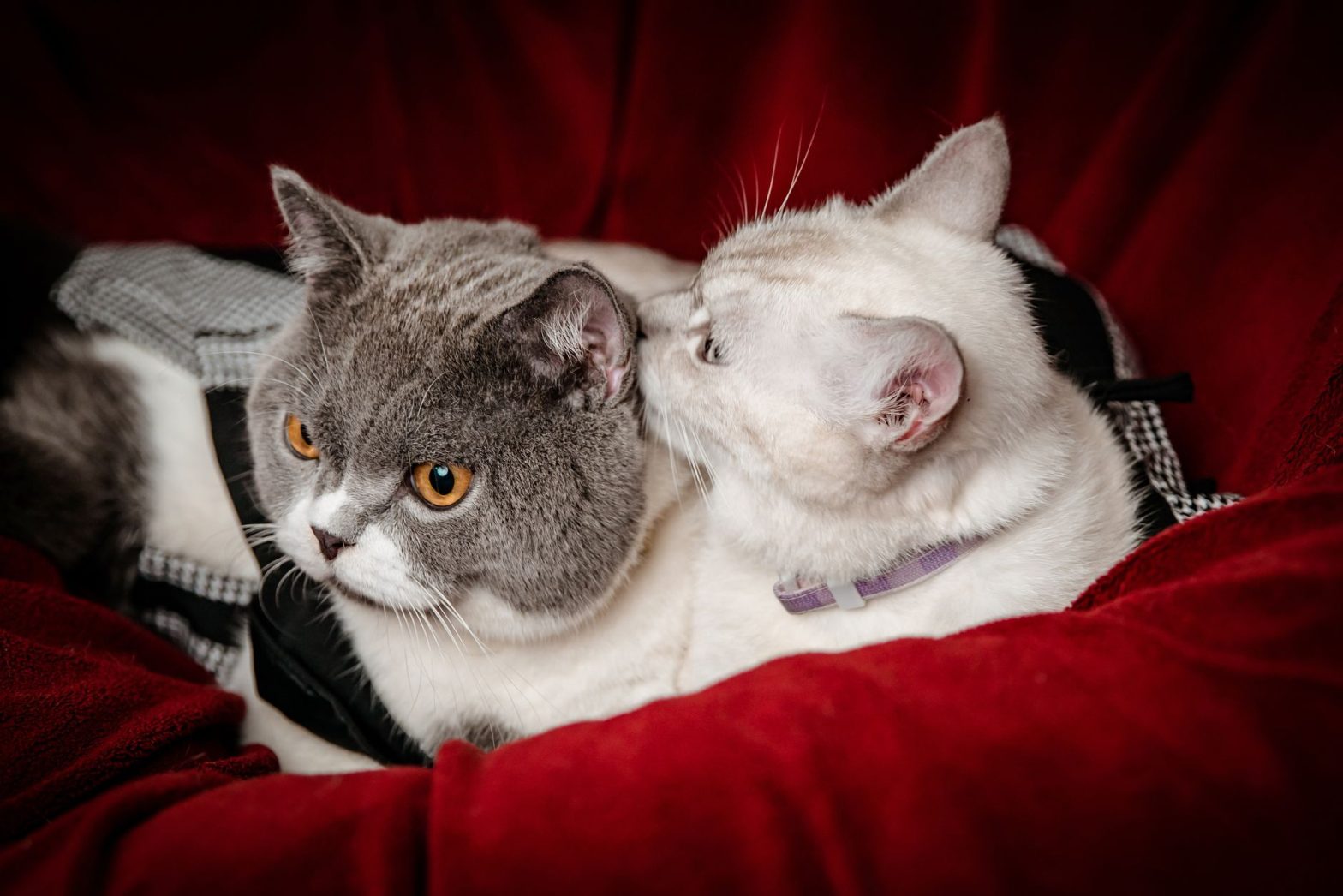
Do Cats Actually Need to Wear Collars?
Cat collars provide essential identification and visibility, ensuring your pet can be returned home safely if they wander or get lost.
Every cat I’ve worked with has a unique personality, but even the quietest indoor cats can slip out an open door when a delivery person arrives. While microchips are vital, a collar provides immediate, visible proof of ownership for a neighbour or a passing stranger. Across my last 50 training and behaviour sessions, the owners who recovered lost cats fastest were those who used both a microchip and an ID tag.
Why is a breakaway buckle essential for cat safety?
Breakaway buckles release under approximately 5 to 7 pounds of pressure, allowing cats to escape if the collar gets snagged on a fence.
Unlike dog collars, cat collars must be designed to snap open if they get caught on a branch, fence, or furniture. My own cat, Fig, is a natural explorer, and I wouldn’t trust her in anything but a high-quality breakaway design. Without this mechanism, a snagged collar can lead to life-threatening neck injuries or respiratory distress if the cat panics.
- Prevents choking hazards on branches or fences
- Enables your cat to escape if trapped in tight spots
- Designed for cats who climb or squeeze into small areas
- Reduces the risk of jaw-entrapment injuries
What is the correct way to measure a cat for a collar?
Measure the base of your cat’s neck and ensure you can fit two fingers comfortably between the collar and their soft skin.
I see many owners fit collars far too tightly, which can cause significant skin irritation and fur loss over time. Conversely, a collar that is too loose can end up in your cat’s mouth, leading to a frantic situation where they try to chew it off. Always use a soft measuring tape and perform the two-finger test before letting them wear it for the day.
Which Cat Collar Features Matter Most in 2026?
In 2026, the best cat collars feature reflective materials, lightweight construction, and secure loops for attaching identification tags.
Material choice is the first thing I check when I’m testing new gear for my clients. A cat’s neck is sensitive, and heavy, rigid collars can cause them to act stiffly or spend the whole day trying to scratch the device off. Always opt for soft nylon, cotton, or rolled leather that won’t mat the fur.
Are reflective collars effective for indoor-outdoor cats?
Reflective collars dramatically increase visibility at night, helping drivers and pedestrians spot your cat near roads or driveways.
If your cat spends time in the garden during twilight or early morning, reflective strips are an essential safety upgrade. I’ve noticed that most modern collars now incorporate high-vis threading or reflective patches. If you need more visibility, check out our guide on safe outdoor cat enrichment to see how gear helps keep them secure.
| Feature | Benefit |
|---|---|
| Reflective Strip | Increased night safety |
| Lightweight Fabric | Reduces skin irritation |
| Small Bell | Alerts birds to presence |
| ID Tag Loop | Secure identification |
Should I attach a GPS tracker to my cat’s collar?
GPS trackers for cats are becoming increasingly accurate, allowing owners to monitor movement within a 2-to-10-metre range reliably.
GPS technology has shrunk significantly over the last few years, making it more feasible for smaller cats. If you are worried about your cat wandering too far, these devices are a game-changer. For a deeper look at how to manage your cat’s environment, my article on indoor cat enrichment ideas offers great alternatives for high-energy cats.
How Can You Help Your Cat Get Used to a Collar?
Introduce a new collar slowly by letting your cat sniff it first and wearing it for short periods before expecting all-day use.
Some cats take to a collar immediately, while others act like they’ve been burdened with a heavy iron chain. I usually suggest putting the collar near their sleeping spot for a few days so they get used to the scent. When you first put it on, distract them with a high-value treat or a favourite play session to create a positive association.
Why does my cat scratch at their new collar?
Scratching usually indicates the collar is too tight, the material is uncomfortable, or simply that the cat needs more adjustment time.
It is normal for a cat to display some initial annoyance, but if they are scratching until the skin is raw, you must remove the item immediately. Always check for signs of hair loss or redness around the neck. If you have concerns about your cat’s stress levels, read my tips on feeding multiple cats without fighting to ensure home harmony remains high.
Is a bell on the collar actually helpful?
Bells warn local wildlife of your cat’s presence, but some cats may find the constant jingle stressful or annoying in quiet rooms.
If you find your cat is hiding or showing anxiety, the bell might be the culprit. While it is great for bird safety, not every cat appreciates the noise. Most collars come with a removable bell, so you can test what your cat prefers.
Frequently Asked Questions
-
What if my cat keeps losing their breakaway collar?
If your cat frequently loses collars, they may be engaging in high-activity exploration or the buckle tension is set too low.
-
Can I use a dog collar on my cat?
No, dog collars lack the necessary breakaway safety features and are typically too heavy for a cat’s neck and jaw anatomy.
-
How often should I replace my cat’s collar?
Inspect the collar monthly for fraying or buckle damage and replace it at least once a year to ensure safety and function.