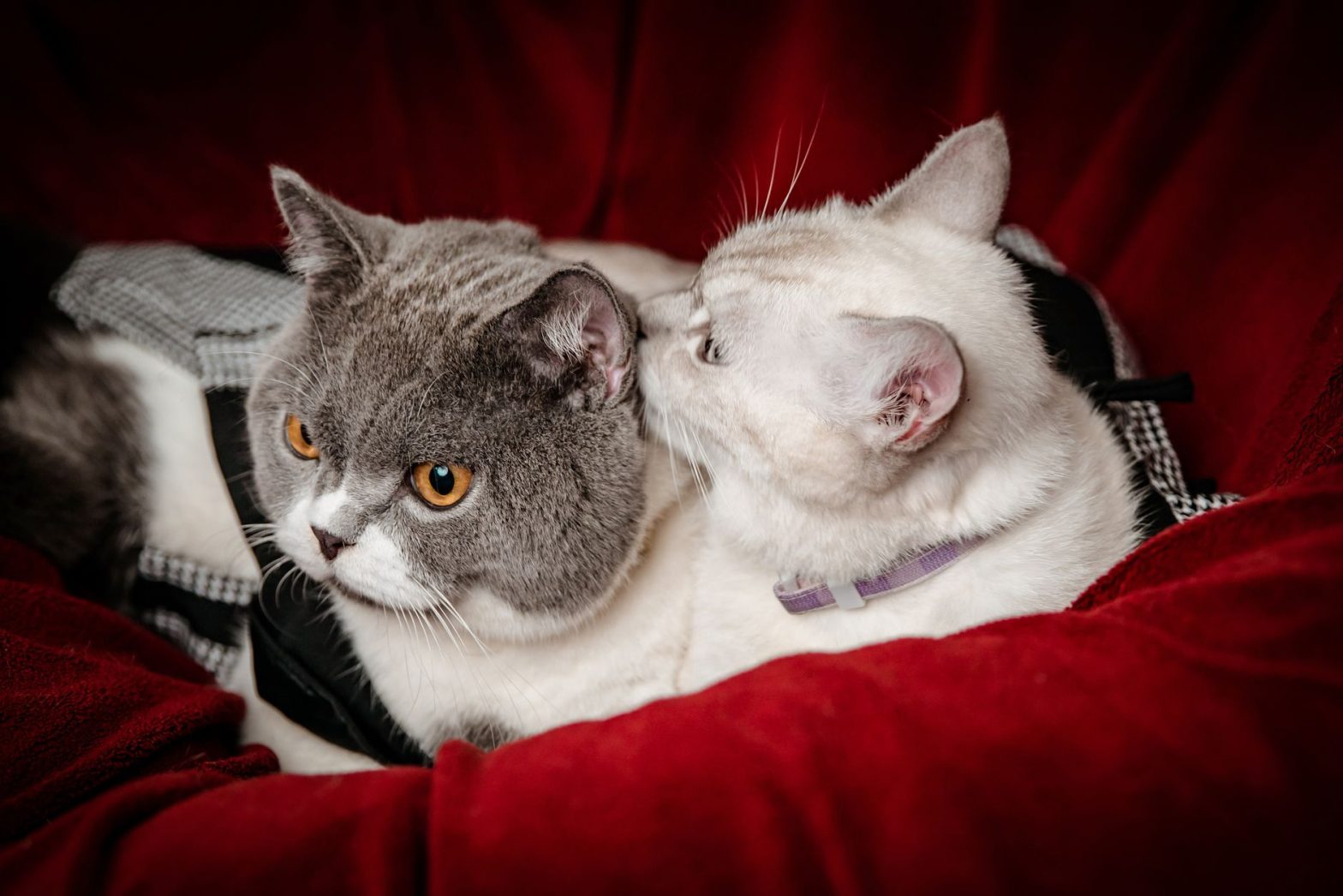
Cat collars are absolutely safe for your feline friend only if you exclusively use breakaway or quick-release mechanisms that allow the collar to snap open if it gets snagged. While many indoor cats do perfectly well without a collar, they are a vital tool for quick identification if your cat accidentally slips outdoors. My years of training experience have taught me that the “fit” of a collar is just as important as the design itself.
⚡ In a Rush? Key Takeaways
- Breakaway collars must release under 5-7 pounds of pressure to prevent injury.
- Always ensure a “two-finger” gap between the collar and your cat’s neck.
- Over 80% of lost cats with proper identification are returned to their owners.
- Reflective strips improve night visibility by 50% for wandering outdoor cats.
- ✅ A breakaway collar with a custom-engraved tag is the safest choice for 2026.
Why are breakaway collars the only safe choice for cats?
Breakaway collars feature a buckle designed to pop open automatically when snagged, preventing the cat from being trapped by furniture.
How does the pressure-release mechanism function?
These specialized buckles contain a spring-loaded latch that releases immediately when the collar is pulled with enough force.
I have seen far too many scary stories about cats getting their collars caught on tree branches or fence pickets. A standard buckle collar doesn’t offer any exit strategy if your cat is hanging in the air.
The breakaway mechanism is engineered to release when a specific amount of force is applied, typically around 5 to 7 pounds. This is just enough to keep the collar on during normal play but low enough to save your cat if they get stuck.
- Ensures the cat can escape if snagged.
- Reduces the risk of strangulation during climbing.
- Functions reliably in cold or wet weather.
- Requires no effort from the cat to release.
What happens if a cat wears a standard dog collar?
Standard dog collars lack release buckles, creating a high risk of strangulation if a cat catches them on a static object.
Dog collars are built for strength and control, which is the exact opposite of what a cat needs. If a cat tries to jump and the collar catches on a hook, that lack of give is dangerous.
Cats are much more agile and adventurous than dogs, meaning they explore tight spaces where a non-releasing collar is a genuine liability. I always remind owners in my cat enrichment guides that your gear should match the animal’s behavior.
How do I properly measure a cat for a collar?
Measure the base of the neck with a soft tape, then add two fingers of width to ensure the fit is snug yet comfortable enough.
Is the two-finger rule still the gold standard?
Yes, the two-finger rule ensures the collar is not tight enough to cause skin irritation while being secure enough to stay on.
If you can slide two fingers flat between the collar and the cat’s neck, you have the perfect fit. If the collar is too loose, it can get stuck in your cat’s mouth or over their jaw, which is a stressful situation for both of you.
If the collar is too tight, it will rub against the fur and cause sores or matting. Check the fit every two weeks, especially if your cat is still a growing kitten.
Should indoor cats wear collars at all?
Indoor cats benefit from collars primarily as a safety net for accidental escapes, providing instant identification for neighbors.
I often suggest that even strictly indoor cats wear a lightweight breakaway collar with a bell or tag. If they bolt out the door, that visible tag is the fastest way to get them back home.
For more advice on keeping your indoor environment stimulating, check out my tips on indoor enrichment strategies. Keeping your cat happy inside usually reduces the urge to dart for the door!
What are the best identification options for 2026?
Custom-engraved metal tags are the most reliable identification, though microchipping is essential for permanent pet recovery.
Do I need both a microchip and a collar tag?
Yes, the tag offers immediate identification for neighbors, while the microchip provides a permanent, tamper-proof recovery method.
Tags can fall off or get stuck in a snag, so your cat’s microchip is the ultimate backup. However, a passerby can’t scan a microchip, but they can read a tag.
Consider the following pairing for maximum safety:
| Method | Recovery Speed | Permanence |
|---|---|---|
| Engraved Tag | Immediate | Temporary |
| Microchip | Vet visit needed | Permanent |
| GPS Tracker | Real-time | Battery-dependent |
Are GPS trackers practical for cats?
GPS trackers are useful for outdoor cats, but you must choose a model designed for small necks to avoid impacting their mobility.
As I mentioned in my guide on cat travel and gear, GPS trackers have come a long way. They are great for peace of mind, but ensure the unit isn’t too heavy for your specific breed.
Frequently Asked Questions
-
Can my cat pull off a breakaway collar?
Some cats can learn to pull off their collars, but a properly fitted, quality buckle will usually hold until a real snag occurs.
-
Do bells on collars hurt a cat’s hearing?
Bells do not hurt hearing, but they may cause stress for skittish cats, so opt for a silent tag if your cat is easily startled.
-
How often should I replace a cat’s collar?
Replace the collar every six months or sooner if the fabric wears thin, the buckle feels loose, or your cat’s weight changes.
Choosing a collar is all about prioritizing your cat’s safety while giving them a way to signal they are a loved family member. Whether your cat is an indoor lounger or an outdoor explorer, a quality breakaway collar is an essential piece of their daily kit.