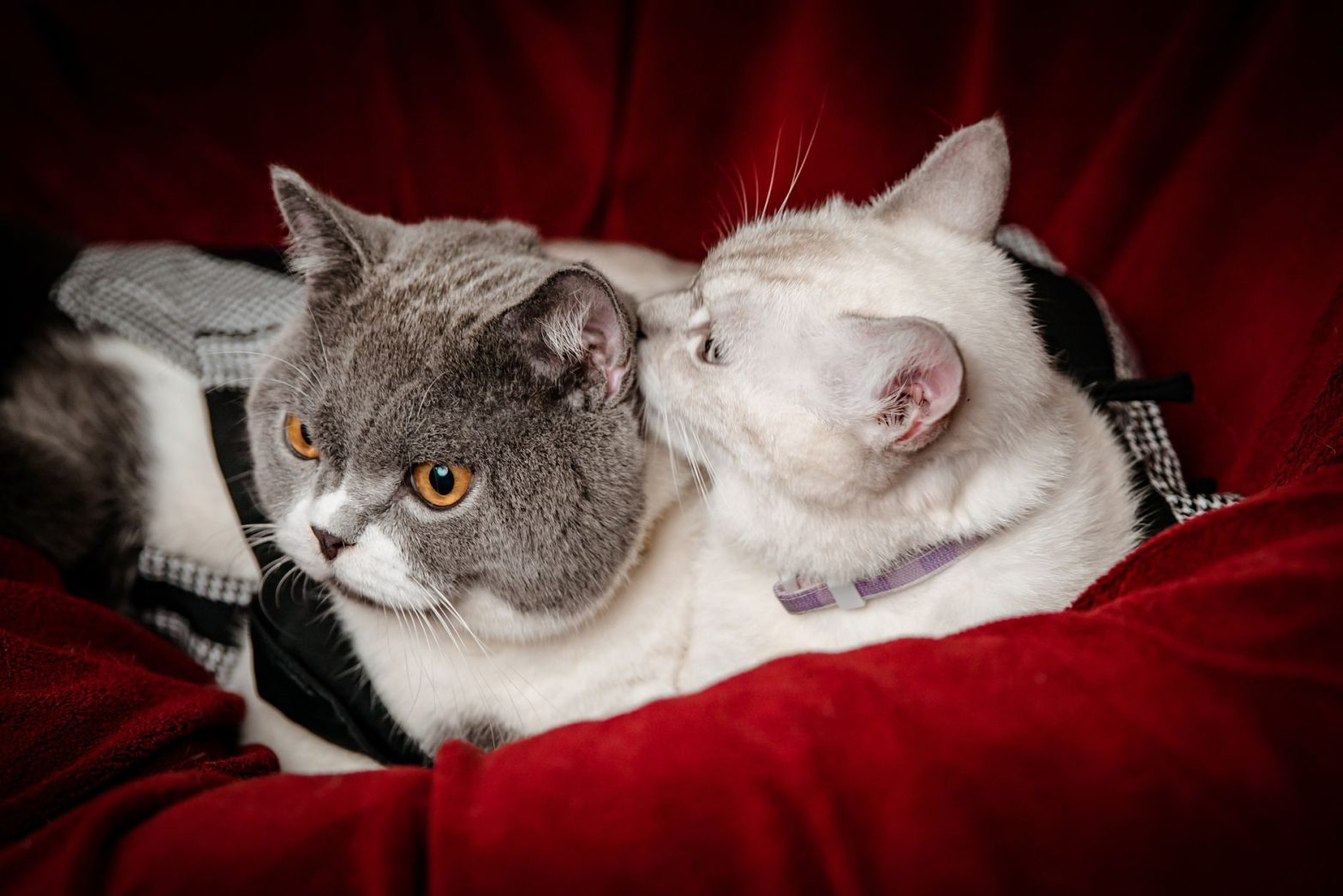
Why do cats need collars in 2026?
Cat collars provide essential identification, quick medical alerts, and visibility, acting as a crucial safety net if your cat wanders off.
Many owners wonder if their indoor-only cats really need a collar. In my experience training and observing feline behaviour, having a tag with your current contact info is a lifesaver if your cat accidentally slips out of an open door.
Collars also serve as a mounting point for modern GPS trackers. These tiny devices have become much lighter, meaning even a 10-pound cat can wear one without feeling burdened.
Are breakaway cat collars actually necessary?
Breakaway collars are essential because they release automatically when a cat gets snagged, preventing serious neck injuries or hanging.
I never recommend a standard buckle collar for a cat. Cats are expert climbers who frequently squeeze through tight fence gaps or navigate branches.
A breakaway clip is designed to snap open under about 5-8 pounds of pressure. This ensures that if your cat catches their collar on a twig, they can wiggle free without trapping themselves.
- Safety release mechanism for snagged gear
- Prevents accidental hanging injuries
- Essential for outdoor or high-climbing cats
- Not suitable for use with a lead
What materials are safest for feline skin?
Lightweight nylon or soft rolled leather are the best materials for cat collars because they minimize matting and prevent skin irritation.
Some stiff synthetic collars can cause bald patches, especially in long-haired breeds like Maine Coons. I always look for rolled edges or soft webbing to keep the fur intact.
If your cat has sensitive skin, try a natural fiber option like organic cotton. Just make sure the collar is cleaned regularly, as fabric collars can collect oils from your cat’s fur.
How do I choose the right size and fit?
A proper cat collar should fit snugly with just enough room to slide two fingers beneath the strap to ensure comfort and easy breathing.
How do I measure my cat for a new collar?
Use a soft measuring tape around your cat’s neck at the base, leaving enough space for two fingers to fit comfortably between the cat and tape.
Most adult cats have a neck circumference between 8 and 12 inches. If you are buying for a kitten, you will need a special adjustable size that fits down to 6 inches.
Why should I check the fit every month?
Monthly checks are vital because seasonal weight shifts or thick winter coat growth can make a once-perfect collar feel too tight or loose.
I recommend checking the fit during your regular grooming session. If you cannot fit your fingers easily underneath, it is time to loosen the adjustment slider.
| Cat Age/Size | Neck Range (Inches) |
|---|---|
| Kitten | 6 – 8 inches |
| Small Adult | 8 – 10 inches |
| Large/Fluffy | 10 – 13 inches |
What features should I look for in 2026?
Modern cat collars should include highly reflective strips for nighttime visibility and a small, jingle-free bell to protect local wildlife.
Do reflective collars help at night?
Reflective collars are a major safety feature that helps cars and people spot your cat instantly in low light or dark conditions.
Most reflective material is stitched directly into the collar fabric. This ensures it stays bright even after the collar gets wet or dirty during your cat’s outdoor adventures.
Why do some collars feature bells?
Bells act as an early warning system for birds and small mammals, potentially reducing the impact your cat has on the local wildlife population.
If you find the bell noise annoying, you can easily remove it. However, if your cat likes to prowl, the bell is a simple, effective tool for conservation-conscious owners.
Frequently Asked Questions
-
Can I walk my cat on a standard collar?
Never walk a cat on a collar because it puts dangerous pressure on the throat, which can lead to serious injury or easy escape attempts.
-
Are GPS collars heavy for most cats?
Most modern GPS units weigh under 30 grams, making them safe for any adult cat over 8 pounds without impacting their natural movement.
-
How long do fabric cat collars last?
A quality fabric collar lasts about 6-12 months before the material begins to fray or the breakaway clip starts to lose its tension strength.
-
How to train your cat to wear a collar
Introduce the collar gradually, using treats and short sessions to build positive associations and reduce stress.
Start by letting your cat sniff the collar while it’s off, then place it loosely around the neck for a few seconds, rewarding calm behavior with a favorite treat. Increase the wearing time by a few minutes each day, watching for signs of discomfort like excessive scratching or attempts to remove it. If your cat shows agitation, go back to a shorter interval and try again later.
Choose a lightweight, breakaway collar for the first few weeks; its gentle release reduces the chance of a frightening snag. Consistency and patience are key—most cats accept a collar within one to two weeks when the process is reward‑based and never forced.
To learn more about keeping your feline friend safe and enriched, check out our guide on indoor enrichment or browse our top picks for safe cat travel. For multi-cat homes, we also have advice on managing social dynamics. — Lucy Hartwell CPDT-KA, Certified Professional Dog Trainer