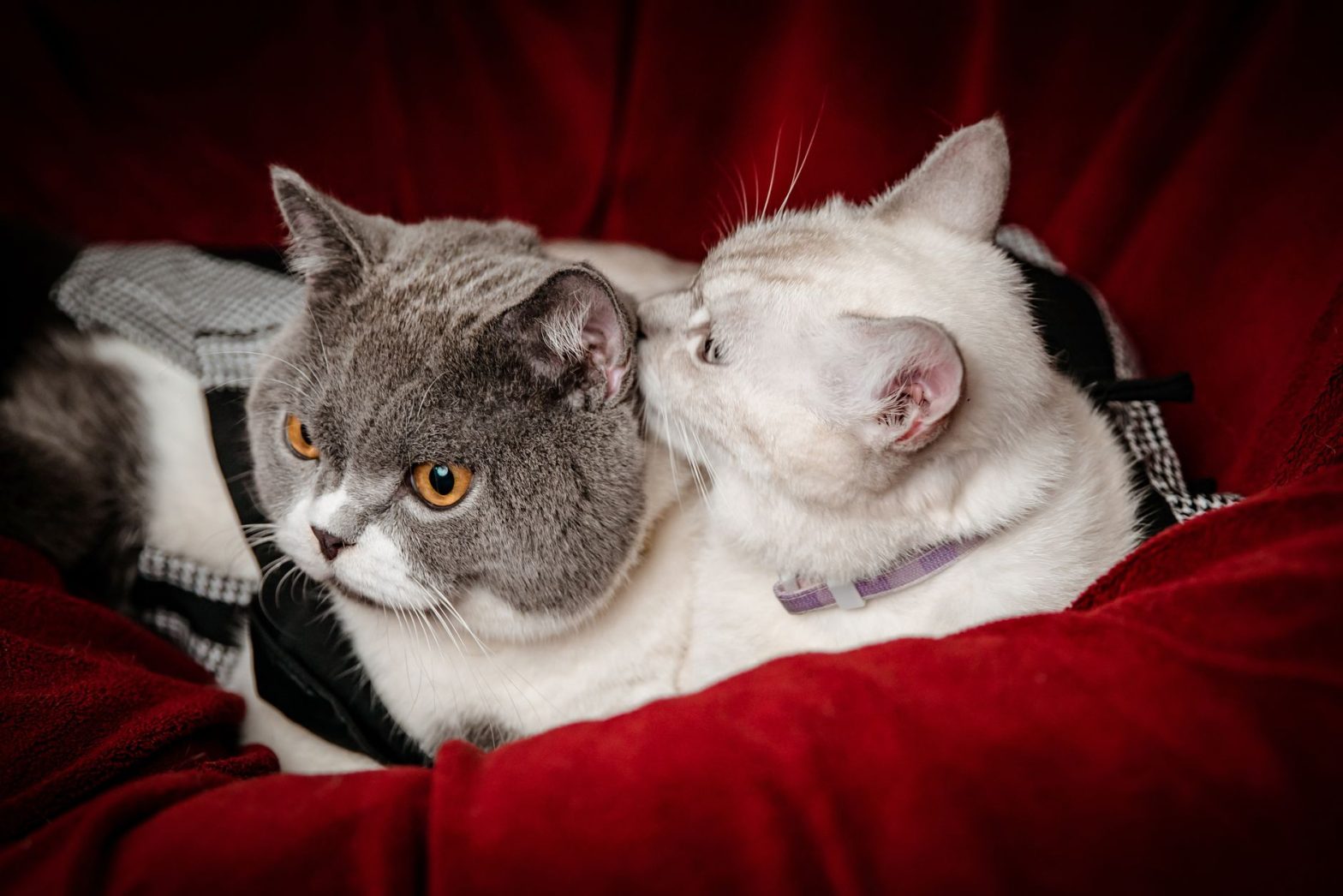
Cat collars are essential safety accessories that must feature a breakaway mechanism to allow your cat to escape if they become snagged on a branch or fence. Choosing the right one ensures your pet can wear identification comfortably while navigating their environment, whether they are strictly indoors or exploring the garden.
⚡ In a Rush? Key Takeaways
- Breakaway collars should release with 5 to 7 pounds of tension.
- Over 80% of lost cats are returned home sooner with visible ID tags.
- GPS trackers for cats add 20 to 30 grams of extra weight to a collar.
- ✅ Always choose a quick-release clasp for any cat collar you buy.
Are Breakaway Cat Collars Actually Necessary?
Breakaway collars are essential because they prevent choking hazards by releasing the buckle when your cat catches it on an object.
Why is a breakaway buckle safer than a fixed collar?
Fixed collars do not release if your cat gets snagged, which poses a severe strangulation risk for adventurous climbing cats.
Cats are natural acrobats, but they aren’t immune to getting stuck. A fixed collar is a static danger that could leave your cat trapped if they snag their neck on a tree branch or a loose fence wire while jumping.
Breakaway buckles are designed to snap open under specific weight pressures. This simple mechanical safety feature is the most important component of any cat enrichment accessory you might purchase for your pet.
- Prevents accidental hanging or choking on household items
- Protects against injuries if the cat tries to climb fences
- Allows your cat to escape if they become entangled
- Works in tandem with secure microchipping
How much tension should a cat collar release at?
Cat safety collars should be tested to ensure they release with approximately five to seven pounds of pulling pressure or force.
If the buckle releases too easily, you will find yourself losing the collar daily as the cat grooms or rubs against furniture. If it is too stiff, the safety mechanism becomes completely ineffective.
Most reputable brands calibrate their buckles to a standard weight range. Before putting the collar on, give the buckle a firm tug to ensure it works correctly under stress.
What Are the Best Cat Collars for 2026?
The best cat collars in 2026 combine durable lightweight nylon materials with high-visibility reflective strips for night safety.
Are reflective collars helpful for outdoor cats?
Reflective collars significantly increase nighttime visibility for outdoor cats, reducing the risk of collisions with moving vehicles.
If your cat spends any time outside after dusk, reflectivity is a critical feature. Drivers can spot a reflective collar from dozens of yards away, providing extra seconds of reaction time.
Combine a reflective collar with a bright bell or a neon color to increase visibility further. Always ensure the material remains flexible enough to stay comfortable during long grooming sessions.
How do GPS collars for cats compare to standard collars?
GPS cat collars provide real-time location data but are often heavier and require regular charging cycles for the battery.
If you are considering a GPS unit, remember that cats have sensitive necks. I always recommend checking the weight specs against your cat’s total body mass before buying these higher-tech cat travel accessories.
| Collar Type | Best Feature | Primary Use |
|---|---|---|
| Nylon Breakaway | Comfort | Daily wear |
| Reflective | Visibility | Nighttime safety |
| GPS Enabled | Tracking | Escape prevention |
| Elastic | Flexibility | Short-term use |
What collar materials are best for sensitive skin?
Choose lightweight, hypoallergenic materials like nylon, silicone, or soft fabric to avoid irritation and ensure comfort.
Some cats develop skin irritation from certain collar materials, especially if they have allergies or sensitive skin. Nylon is the most common and generally safe, but look for options labeled “breathable” or “soft-touch.” Silicone collars are flexible, waterproof, and less likely to harbor bacteria, making them ideal for outdoor cats that get wet. Fabric collars woven from cotton or bamboo blends offer a natural feel and are often dye‑free, reducing the risk of allergic reactions. Avoid cheap plastics or stiff leathers that can chafe; if you prefer leather, select vegetable‑tanned, thin strips and monitor for any redness.
Regardless of material, always check the inner lining for smooth seams and ensure any hardware (buckles, D‑rings) is nickel‑free to prevent contact dermatitis. If your cat shows signs of itching, hair loss, or redness, remove the collar immediately and try a different material.
Frequently Asked Questions About Cat Collars
-
Do cats hate wearing collars?
Most cats adapt to wearing a collar within one or two weeks if you introduce it slowly and choose a lightweight, soft design.
-
Can I put a leash on a cat collar?
You should never attach a leash to a standard cat collar because the pressure can easily injure your cat’s delicate neck bones.
-
How tight should a cat collar be?
You should be able to fit two fingers comfortably between your cat’s neck and the collar to ensure it is secure but not tight.
-
Do bells on collars hurt cats’ ears?
Bells can be stressful for sensitive cats, though they help protect birds and provide an audible warning of your cat’s location.
Before choosing a collar, you might want to look into multi-cat household strategies to ensure that adding a collar doesn’t cause unnecessary stress in your home environment. Always prioritize your cat’s comfort over aesthetic choices when shopping.