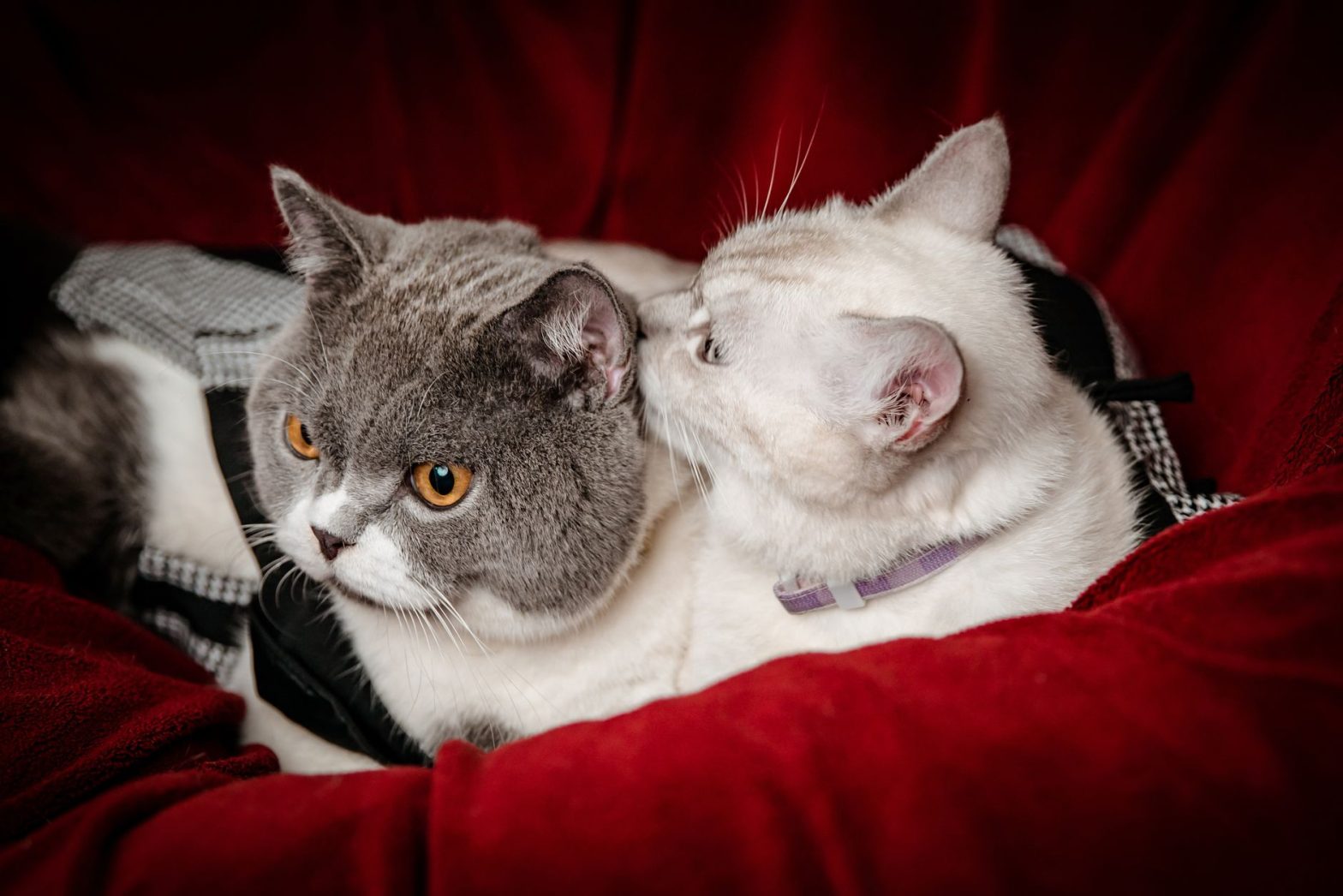
Cat collars are safe and effective for your feline only when they feature a breakaway buckle that releases under approximately 5 to 7 pounds of pressure. Choosing a non-breakaway collar creates a significant strangulation risk if your cat becomes snagged on a fence or tree branch.
⚡ In a Rush? Key Takeaways
- Breakaway buckles must release at 5-7 pounds of tension to prevent injury.
- Collars should fit with 2 fingers of space between the band and the neck.
- Indoor-only cats benefit from ID tags, with 95% of lost pets recovered via tags.
- GPS trackers for cats add 1-2 ounces of weight, which is fine for most cats.
- Verdict: Always choose a breakaway collar with a reflective strip for visibility.
Why Are Breakaway Collars the Only Safe Choice?
Breakaway cat collars feature a specialized safety clasp that automatically pops open when snagged, preventing accidental strangulation.
As a trainer, I have seen too many owners overlook the physical mechanism of a collar. A standard buckle or a tight fit can turn a simple jump into a life-threatening emergency if your cat gets caught on a structure.
What happens if a collar does not break away?
Non-breakaway collars remain fixed, meaning if a cat catches the loop on an object, they cannot remove the tension on their neck.
Cats are natural explorers who squeeze through tight gaps and climb heights. If the collar does not release, the pressure is applied directly to the trachea, leading to severe injury or fatality within minutes.
- Standard buckle collars cannot be removed by the cat
- Elastic collars are prone to getting the jaw caught
- Breakaway collars protect curious climbers during outdoor play
- Most professional shelters mandate breakaway gear for all adoptions
How do I test if my cat’s collar is safe?
The safest test involves manually applying pressure to the buckle to ensure it releases with a firm, steady pull of 5-7 pounds.
Before you ever place a new collar on your cat, give it a tug. If you feel you have to pull hard enough to potentially hurt your own hand, the collar is likely too stiff for a small feline neck to trigger during an emergency.
Which Materials Should I Consider for My Cat?
Soft, lightweight materials like cotton, nylon, or velvet are best to prevent skin irritation and fur matting around the neck area.
Why should I avoid heavy leather or metal?
Heavy materials can cause neck fatigue, muscle tension, and significant hair loss due to constant friction against delicate skin.
While leather looks stylish, it is often too heavy for smaller cats. If you must use leather, ensure it is thin, supple, and equipped with a high-quality, reliable breakaway mechanism.
| Material | Durability | Comfort Level |
|---|---|---|
| Cotton | Moderate | Excellent |
| Nylon | High | Good |
| Velvet | Low | Excellent |
| Synthetic Webbing | High | Moderate |
Hypoallergenic materials for sensitive skin
For cats prone to allergies or skin irritation, choose collars made from organic cotton, bamboo fiber, or medical‑grade silicone.
These materials are breathable, wick moisture, and reduce the risk of contact dermatitis. Look for labels that specify “hypoallergenic” or “free of dyes and chemicals.”
If your cat shows redness or itching after wearing a collar, switch to one of these materials and monitor for improvement; many owners see relief within a few days.
How does collar weight affect my cat?
Collars exceeding one ounce can disrupt a cat’s natural movement and gait, particularly in kittens or elderly cats with mobility issues.
For those interested in technology, my cat travel accessories often require specific weights. Always balance the need for an ID tag with the weight of the collar itself to ensure your cat remains comfortable during their daily indoor enrichment routines.
Do GPS Trackers Count as Cat Collars?
GPS units are attachments that work best when integrated into a secure, lightweight, and breakaway-compatible collar harness system.
Can I put a tracker on any collar?
Most tracking devices require a sturdy collar base to hold the weight without sagging, but you must verify the breakaway point.
If you add a bulky device to a collar that is already heavy, you risk causing fur breakage. I recommend checking out our guide on GPS trackers for cats to see how weight distribution impacts safety.
Are there downsides to cat collars with bells?
Bells alert birds and wildlife to your cat’s presence, but they may cause sensory stress in cats with high anxiety or sound sensitivity.
If you choose to use a bell, make sure it is removable. Many cats find the constant chiming right next to their ears distracting or stressful, especially in multi-cat households.
Frequently Asked Questions
-
Should my indoor cat wear a collar?
Yes, indoor cats should wear a breakaway collar with an ID tag to ensure they are quickly identified if they slip out the front door.
-
How tight should a cat collar be?
A cat collar should be snug enough to fit one to two fingers comfortably underneath the band to prevent slipping or choking.
-
Are reflective collars necessary for cats?
Reflective collars are essential for any cat with outdoor access as they increase visibility to drivers during low-light conditions.
-
What if my cat keeps losing their collar?
If the collar is lost frequently, the breakaway buckle might be too loose, or the cat may be snagging it on aggressive outdoor play.
— Lucy Hartwell CPDT-KA, Certified Professional Dog Trainer