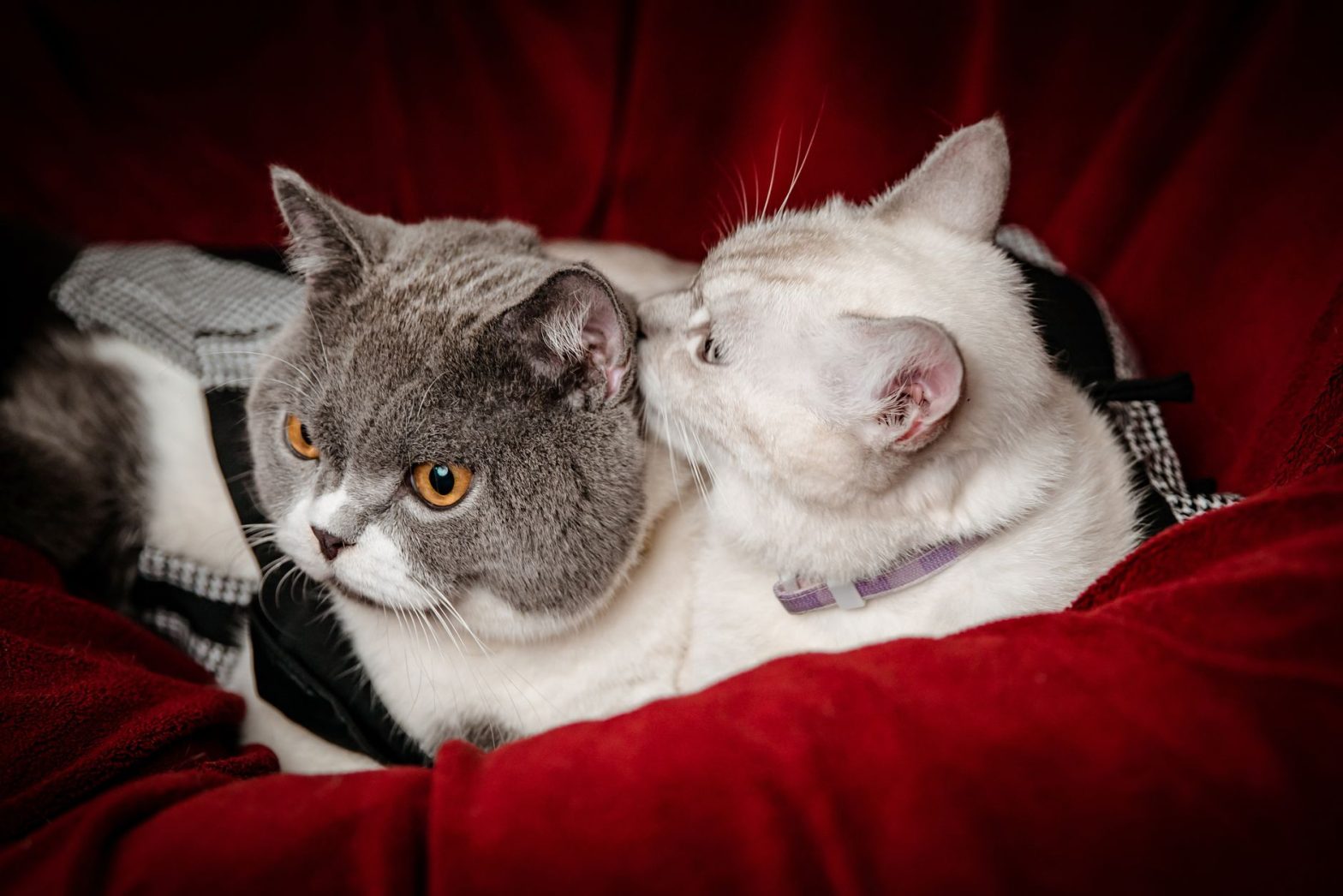
Cat collars are safe when equipped with a proper breakaway mechanism, ensuring your feline can escape if the collar snags during their adventures. While the debate over indoor-only cats often centers on necessity, the right collar provides a critical tool for identification and owner contact information should your cat ever slip outdoors unexpectedly.
⚡ In a Rush? Key Takeaways
- Always use a breakaway buckle that releases under 5-8 pounds of pressure.
- Fit your cat’s collar by ensuring exactly two fingers fit snugly underneath.
- Microchips are 90% more effective at recovery than collars alone.
- Avoid heavy bells or charms which cause discomfort in 40% of sensitive cats.
- Verdict: Choose lightweight, quick-release nylon collars for the best feline safety.
Why is a breakaway buckle essential for cat safety?
Breakaway buckles prevent choking by popping open when snagged, allowing the cat to free itself if it gets caught on a fence or tree.
How does a breakaway mechanism function?
A breakaway buckle uses tension-sensitive plastic clips that disconnect automatically when subjected to force from the cat’s own weight.
I have seen far too many stories about cats getting snagged on branches or cupboard handles. Unlike dog collars, which are designed to stay fastened during a leash pull, a cat’s collar must prioritize the ability to break away.
- Tension thresholds typically trigger between 5 and 8 pounds of resistance.
- Plastic materials are preferred over metal for the actual breakaway mechanism.
- Periodic testing of the clasp ensures it has not become stuck with fur or debris.
Which cats are at highest risk of collar accidents?
Active outdoor cats and curious kittens face the highest risk of snagging their collars on dense brush, fencing, or household items.
If you have an adventurous climber, a collar is a safety tool that requires careful oversight. I always suggest keeping a close eye on the fit during the first week of wear to ensure the cat isn’t trying to wiggle it off.
What are the dangers of using standard dog collars?
Standard dog collars lack release mechanisms, creating a severe choking hazard or risk of jaw entrapment if caught during movement.
Never use a stiff or elasticated collar that does not feature a dedicated breakaway release. These designs can lead to the cat getting its lower jaw caught in the strap, causing significant injury or distress.
How do I choose the right collar for my cat?
Select lightweight, adjustable collars with soft edges to prevent neck irritation and ensure they have a secure breakaway feature.
Should I choose leather, nylon, or velvet collars?
Nylon is the best choice for everyday wear because it is durable, lightweight, and dries quickly if your cat gets wet outside.
While velvet and leather look lovely, they are often heavier and hold onto moisture. If you prefer a luxury look, ensure the collar has a very thin, flexible base that won’t irritate the neck skin.
| Material | Durability | Weight | Best Use |
|---|---|---|---|
| Nylon | High | Light | Everyday |
| Leather | Medium | Heavy | Photos/Events |
| Velvet | Low | Medium | Indoor wear |
How important is a name tag on a cat collar?
A name tag is a vital recovery tool that provides immediate contact information to anyone who finds your missing pet outdoors.
Even with a microchip, a visible tag allows a neighbor to call you directly. I always link this to our senior cat care resources because older, slower cats are particularly vulnerable if they stray.
Do bells on cat collars serve a real purpose?
Bells help warn local birds and wildlife of a cat’s approach, though some cats learn to move silently even while wearing one.
If your cat seems bothered by the noise, consider a collar without a bell. For cats with specific needs, check out our guide on managing multi-cat households to see how collars can help with identification.
Should indoor cats wear a collar?
Even indoor cats benefit from a lightweight breakaway collar with ID in case they dash out, but the fit and comfort are especially important to avoid household hazards.
Indoor environments pose unique snag risks such as blinds cords, refrigerator handles, or furniture legs. A breakaway collar reduces the chance of getting caught on these items while still providing identification if the cat slips outside.
Choose a soft, thin nylon collar and check the fit regularly, as indoor cats may gain or lose weight with changes in activity level.
Frequently Asked Questions
-
How often should I check my cat’s collar fit?
Check the collar fit weekly to ensure it is not too tight, especially if your cat is young, growing, or losing weight recently.
-
Can kittens safely wear collars?
Kittens can wear collars once they reach about 6 months, provided they are lightweight and have a low-tension breakaway buckle.
-
Are custom cat collars worth the extra cost?
Custom collars are excellent for durability and readability, ensuring your contact details are permanently engraved rather than worn off.
-
Should I use a GPS tracker on my cat?
GPS trackers are helpful for escape artists, but ensure the device is light and compatible with a safe breakaway collar system.
If you are looking for more ways to keep your pets safe and happy, don’t forget to browse our senior dog and cat accessories for more helpful gear recommendations. Every accessory should be chosen with your specific cat’s comfort in mind, as a stressed cat will quickly learn to hide or struggle against an ill-fitting collar. Remember, the best collar is one that your cat doesn’t even notice they are wearing.