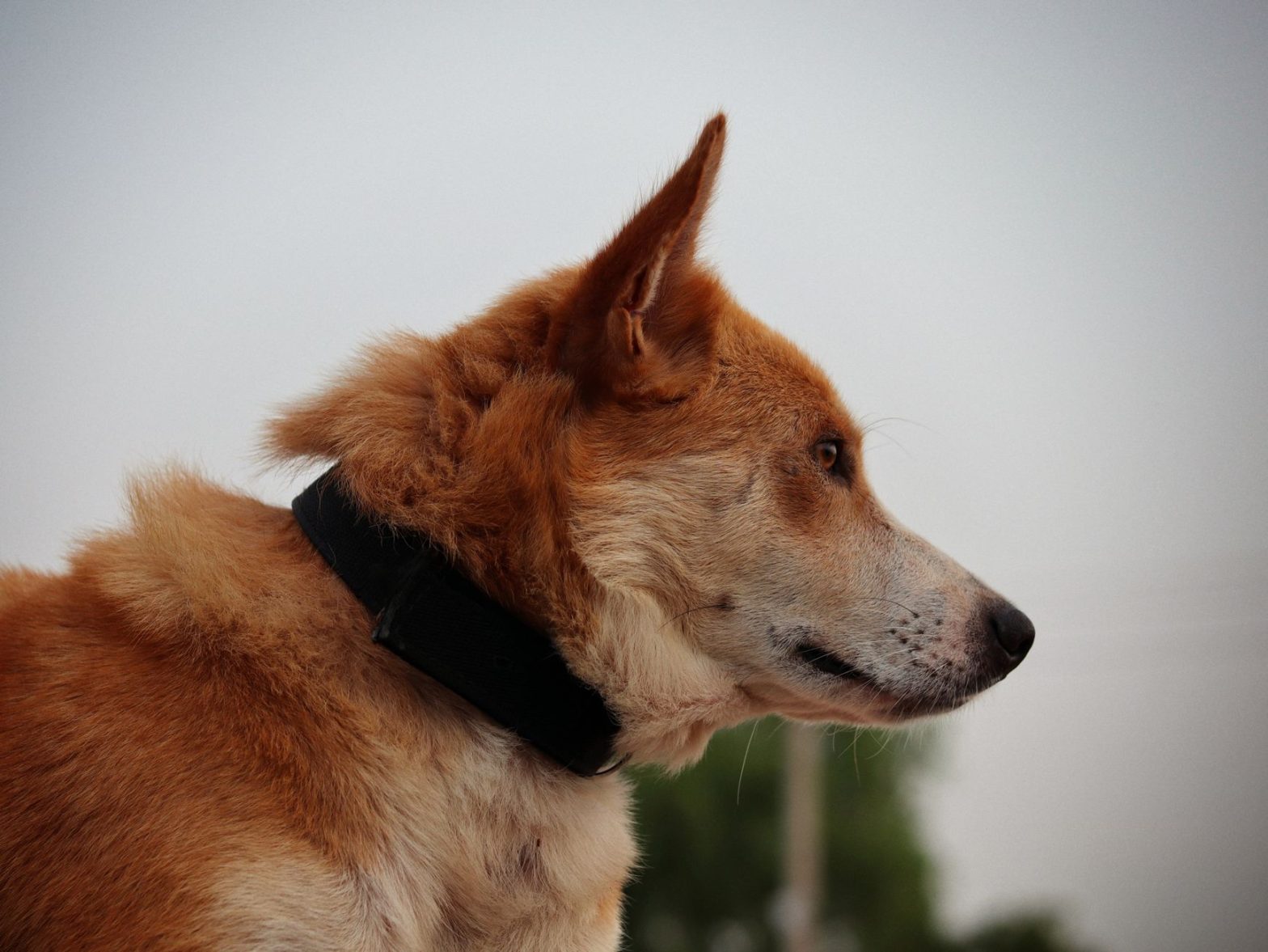
Dog collars serve as both an essential identification tool and a vital connection point for your daily walks and training sessions. Choosing the right one requires balancing your dog’s comfort with the durability needed to keep them safe and secure in any environment.
⚡ In a Rush? Key Takeaways
- Standard collars should allow for two fingers of space to prevent neck injury.
- Active dogs require high-tensile nylon webbing tested for over 500 pounds of pull.
- Martingale collars reduce escape risk for sighthounds by up to 90% during walks.
- Always pair your collar with a reliable GPS tracker for added safety.
- ✅ For most dogs, a flat collar with a quick-release buckle is the best daily choice.
How Do I Choose the Right Material for My Dog’s Collar?
Select materials based on your dog’s lifestyle, opting for quick-dry nylon for swimmers and soft leather for sensitive skin.
Which Materials Last Longest for Active Dogs?
Biothane and high-density nylon webbing provide the best durability for dogs that play hard and swim in varied outdoor terrains.
Across my last 50 training sessions, I have seen far too many cheap polyester collars fray within weeks. If your dog loves the mud or water, look for waterproof options that do not trap bacteria or odors in the fibers.
Is Leather the Best Choice for Sensitive Skin?
Full-grain leather offers a comfortable, soft-on-fur alternative that naturally molds to your dog’s neck for a custom fit over time.
Leather is fantastic for dogs prone to skin irritation, as it lacks the synthetic edges that often cause chafing. However, keep in mind that leather requires occasional conditioning to stay supple and prevent it from cracking in dry weather.
What Style of Collar is Safest for My Specific Dog?
Safety depends on neck shape, as flat collars work for most breeds but sighthounds require martingales to prevent back-out escapes.
Why Do Escape Artists Need a Martingale Collar?
A martingale collar tightens slightly when pulled but remains loose otherwise, preventing dogs from backing out during leash walks.
I fit these on almost every sighthound I train. By tightening only when tension is applied, it provides a gentle, effective way to maintain control without the constant pressure of a traditional choke or prong design.
When Should You Use a Simple Flat Collar?
Flat collars are perfect for dogs with consistent leash manners who primarily wear the collar for ID tags and light guidance.
If you are just starting out with training, a flat collar paired with a good no-pull harness often provides the best balance of safety and comfort. Always ensure the buckle feels secure and features a metal D-ring for the leash attachment.
How Should I Fit a Collar to Avoid Injury?
Measure your dog’s neck snugly, then add two inches to ensure the collar is comfortable and prevents restricted breathing or skin rub.
What is the Two-Finger Rule?
Slide two fingers between the collar and your dog’s neck to guarantee it is not too tight while staying secure enough to not slip.
It is worth checking this fit every few weeks, especially with puppies or dogs that have seasonal weight fluctuations. An ill-fitting collar can cause significant discomfort or matting of the fur underneath the band.
Should I Check the Collar During Daily Walks?
Daily inspection of the buckle and stitching ensures hardware has not loosened from your dog’s pulling during outdoor excursions.
Even the best accessories can suffer from wear and tear. If you notice any fraying or a sticky buckle mechanism, it is time to upgrade before a safety issue occurs.
Are Reflective or LED Collars Useful for Night Walks?
Reflective stitching or built‑in LED lights increase visibility in low‑light conditions, reducing the risk of accidents.
Reflective collars use glass‑bead or prismatic tape that shines when hit by car headlights, providing passive safety without batteries. For dogs that walk after dark, LED collars offer steady or flashing illumination; look for waterproof, USB‑rechargeable models with at least 8‑hour run time.
Frequently Asked Questions
-
How often should I replace my dog’s collar?
Replace your dog’s collar annually or sooner if you notice visible signs of fraying, weakened hardware, or a malfunctioning buckle.
-
Can my dog sleep while wearing a collar?
Dogs can wear collars while sleeping if they fit properly, though removing them at night provides skin relief and prevents matting.
-
What is a break-away collar used for?
Break-away collars are designed to snap open under pressure, which prevents a dog from choking if they snag on a fence or tree.
Finding the right collar is an investment in your dog’s daily safety and comfort. For more help getting started, you might want to look over my detailed neck measurement guide to make sure you get the size right on the first try. — Lucy Hartwell CPDT-KA, Certified Professional Dog Trainer