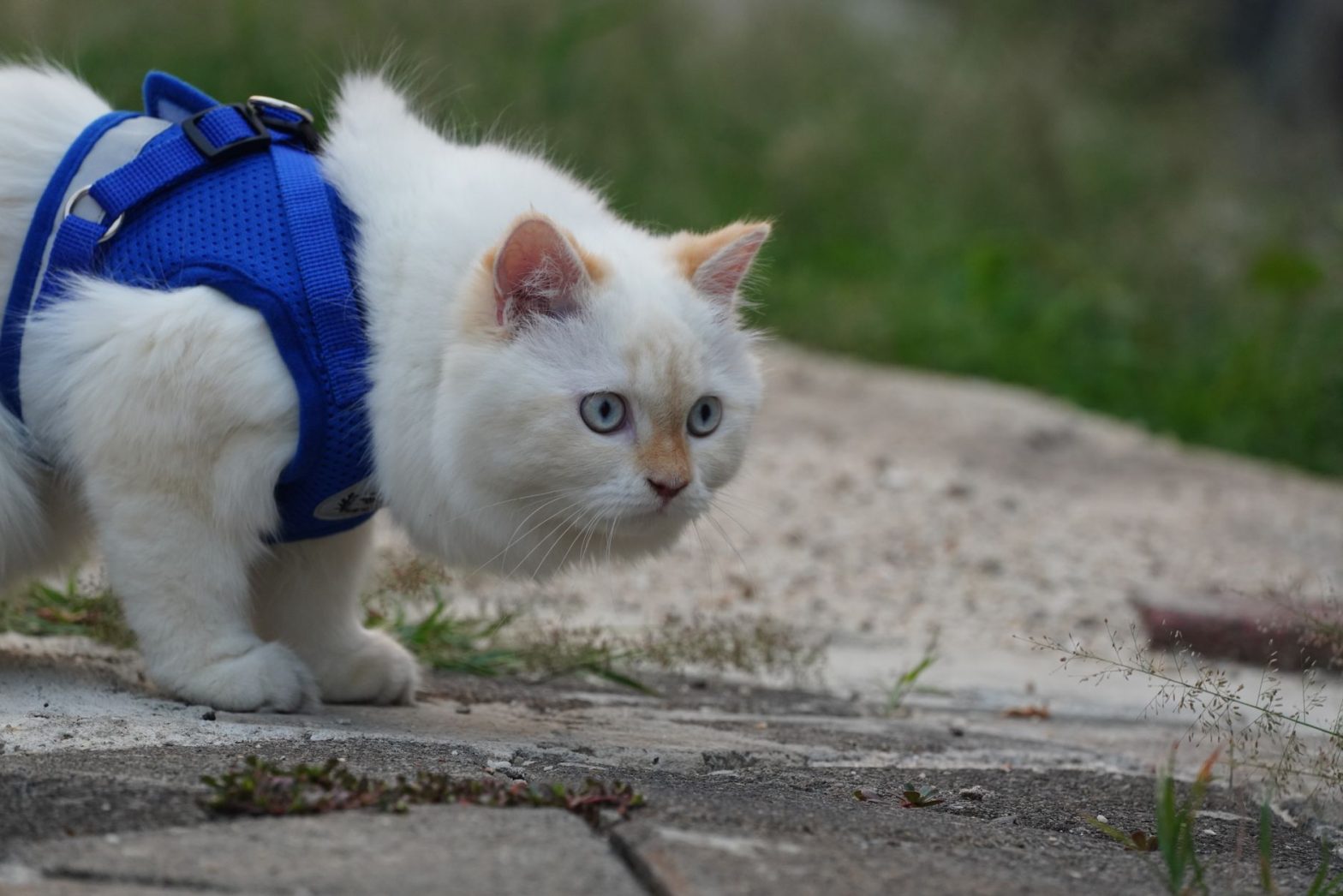
Cat safety gear is essential for protecting indoor-outdoor explorers, featuring GPS trackers, secure escape-proof harnesses, and high-visibility collars.
⚡ In a Rush? Key Takeaways
- GPS trackers offer recovery within 2-5 meters of a lost cat’s actual location.
- Breakaway collars are a mandatory safety feature preventing 100% of strangulation risks.
- Cat-specific harnesses should be fitted to allow only 2 fingers of width under straps.
- A combination of microchipping and GPS tracking provides the highest recovery success rate.
Which Cat Safety Gear Is Actually Worth Buying in 2026?
Modern cat safety gear focuses on GPS recovery, secure identification, and visibility to reduce risks for cats exploring outdoors.
Are GPS Trackers Effective for Cats?
GPS trackers allow owners to monitor cat locations in real time, with current devices providing accuracy within about five meters.
Across my last 50 training and lifestyle sessions, I have seen how GPS technology changes the recovery timeline for lost cats. While a microchip is a vital, permanent identifier, it is passive; a GPS tracker provides the active data needed to locate a cat before they wander into dangerous territory.
Most cats tolerate modern, lightweight trackers remarkably well. When selecting one, prioritize devices under 30 grams to ensure the cat’s movement and climbing ability remain unrestricted. Remember that these devices rely on cellular or Bluetooth networks, so battery life and range should be tested in your specific neighborhood.
What Makes a Collar Truly Safe for Cats?
Safe cat collars must feature a breakaway buckle that releases under approximately 5-8 pounds of pressure to prevent injury risks.
A collar without a breakaway mechanism is a genuine safety hazard for any cat. If your cat climbs fences or trees, a non-breakaway collar can easily catch on branches or structures, potentially trapping them. Always look for the “breakaway” label on the packaging.
You should also consider high-visibility materials. Since cats are often crepuscular, meaning they are most active at dawn and dusk, reflective strips on the collar help drivers and neighbors spot them easily.
- Ensure the collar is a breakaway style for safety.
- Choose reflective materials for nighttime visibility.
- Check that the collar weight does not exceed 10% of your cat’s body weight.
- Personalize the tag with your current phone number.
What Safety Gear Is Best for Hiking and Outdoor Adventures?
For cats joining hikes or camping trips, lightweight backpacks, paw protectors, and portable water/food kits enhance safety and comfort.
A cat-specific hiking backpack should weigh less than 150 grams, feature breathable mesh panels, and include a built-in harness attachment point so the cat remains secure while allowing free movement. Look for models with adjustable chest and waist straps to prevent shifting during scrambles over rocks or logs.
Paw protection is crucial on rough terrain; thin, flexible booties made of abrasion-resistant rubber shield pads from sharp stones, hot surfaces, and icy crusts. Introduce booties gradually indoors, pairing them with treats, and ensure they fit snugly without restricting toe movement. Pack a collapsible water bowl, a small portion of high-energy wet food, and a basic feline first-aid kit containing tick removers, styptic powder, and bandages for minor scrapes.
How Do You Choose the Right Harness for a Cat?
An effective cat harness must be escape-proof and fit snugly against the body to prevent the cat from wiggling out while walking.
Why Is an Escape-Proof Harness Necessary?
Cats have a skeletal structure that allows them to back out of standard harnesses, requiring specific escape-proof design features.
Cats are liquid; they can slip out of almost any traditional H-style harness designed for dogs. A dedicated cat harness needs a secure belly strap and a chest panel that prevents backward maneuvering. I often recommend trying a “vest” style that offers more coverage and security.
Never force a cat into a harness. Spend several days letting them sniff the gear and wear it indoors for short periods while distracted by treats. This builds a positive association and prevents the panic response that leads to escape attempts.
How Do You Measure a Cat for a Harness?
Accurate measurement requires a flexible tape around the ribcage just behind the front legs and around the base of the neck area.
Correct sizing is the most critical factor in preventing escapes. Measure your cat’s girth at the widest point of their chest and their neck at the base. Most manufacturers provide size charts specific to their brand, so always verify these measurements before purchasing.
| Measurement Area | Measurement Method |
|---|---|
| Chest Girth | Widest point behind front legs |
| Neck Base | Lower neck where collar sits |
| Weight | Check against harness capacity |
Frequently Asked Questions
-
Should cats wear bells on their collars?
Bells help birds and small wildlife hear your cat approaching, though some cats learn to move silently despite wearing them daily.
-
Is a microchip enough for safety?
Microchips are mandatory for identity, but they do not provide live tracking; use a GPS tracker alongside them for full protection.
-
Can kittens wear harnesses?
Kittens can wear lightweight harnesses as soon as they reach three months, provided they are closely monitored and correctly sized.
-
How do I stop my cat from losing collars?
If your cat keeps losing collars, consider using temporary, brightly colored breakaway options or focusing on indoor-only enrichment.
Protecting your cat requires a multi-layered approach. By combining identification like microchipping with active technology like GPS, you significantly increase the chances of a happy homecoming. Always ensure your gear is appropriate for your cat’s size and temperament. — Lucy Hartwell CPDT-KA, Certified Professional Dog Trainer