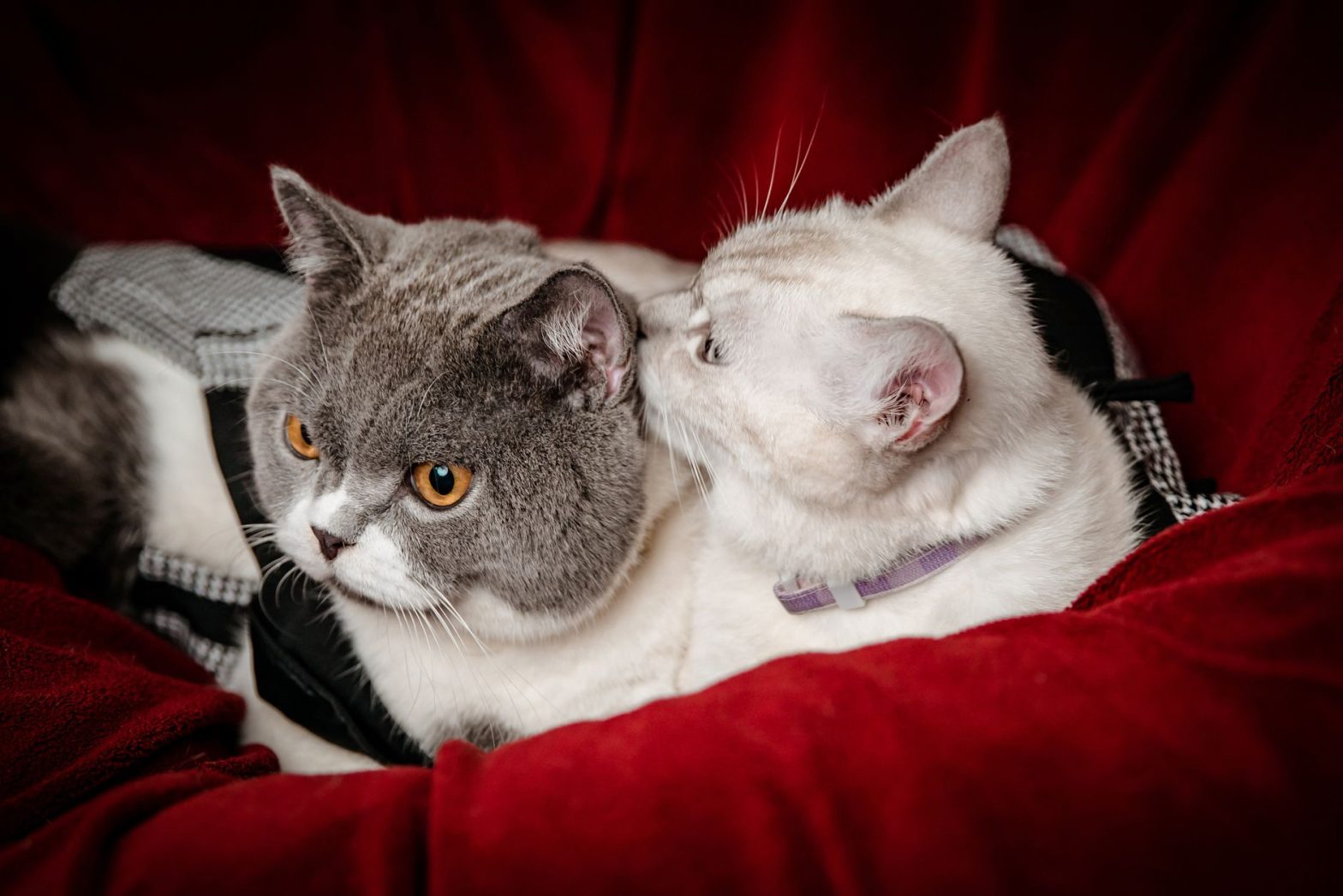
Cat collars are safe for indoor and outdoor cats only if they feature a specialized breakaway mechanism that releases under pressure. While traditional collars can pose strangulation risks, modern designs allow your cat to escape if the collar snags on a fence, branch, or furniture.
⚡ In a Rush? Key Takeaways
- Breakaway collars must release with 5–8 lbs of pressure to prevent injury.
- Over 90% of cat injuries from collars are caused by non-breakaway designs.
- Cats should have two fingers of space beneath their collar for proper comfort.
- GPS-enabled collars weigh 20–30 grams, which is safe for cats over 10 lbs.
- ✅ Always choose a safety-release buckle to ensure your cat can escape snags.
Why Do Cats Need Breakaway Collars?
Breakaway collars prevent strangulation by opening automatically when your cat gets stuck, ensuring they can safely escape and return home.
How Does a Breakaway Mechanism Work?
A breakaway buckle relies on a tension-sensitive latch that pops open when a specific amount of force pulls on the collar band.
I have spent years teaching owners that traditional belt-style buckles are a major safety hazard for cats. If your cat climbs a tree or squeezes through a gap, a standard collar won’t give, potentially leading to tragic accidents.
Breakaway buckles act as a mechanical safety valve. When the weight of your cat’s body or a sudden tug pulls against the collar, the buckle snaps apart instantly.
- Provides an emergency escape route for active cats
- Designed specifically for feline weight and agility
- Prevents the collar from becoming a lethal snag point
- Essential for outdoor cats traversing complex environments
Are There Risks to Using Breakaway Collars?
The primary risk is a cat losing their collar while outdoors, which may require you to have them microchipped for reliable ID.
While safety is the priority, these collars are not invincible. A very active cat might snag their collar on a branch and lose it, which is exactly what it is designed to do. Because of this, relying solely on a tag for identification is risky.
Always pair your collar with a reliable microchip to ensure your cat can be identified even if the collar is lost during an adventure. You can learn more about safe travel and identification methods to keep your cat protected everywhere.
How Do You Choose the Right Cat Collar Fit?
The ideal cat collar fit allows two fingers to slide comfortably beneath the band, preventing choking while keeping the collar secure.
What Is the Two-Finger Rule for Cats?
Inserting two fingers between the collar and neck confirms the strap is not too tight, which protects the skin and airway health.
Getting the fit right is the difference between a happy cat and one who tries to wiggle out of their gear all day. If the collar is too loose, your cat might get their jaw stuck, which is a frightening and dangerous situation.
I recommend checking the fit weekly, especially for younger cats who are still growing. Proper adjustment ensures the collar doesn’t rub against the fur and cause painful matting.
| Feature | Recommendation |
|---|---|
| Fit | Two fingers under the band |
| Weight | Lightweight nylon/fabric |
| Buckle | Breakaway/Safety release |
| Maintenance | Check fit weekly |
Which Materials Are Best for Sensitive Skin?
Soft, breathable fabrics like cotton or lightweight nylon are best for cats to avoid irritation and prevent fur loss around the neck.
Cats are incredibly sensitive to the materials around their necks. Avoid heavy leather or stiff plastics that can weigh them down or cause constant friction against their skin.
Many of my enrichment-focused clients prefer soft, machine-washable fabrics. These are easier to clean and much gentler on your cat’s delicate coat compared to synthetic alternatives.
What Is the Role of GPS and Smart Collars?
Smart collars provide location tracking or activity monitoring but must be lightweight to ensure they do not hinder your cat’s movement.
Is GPS Technology Safe for Small Cats?
GPS trackers are safe for cats over ten pounds, provided the added weight does not exceed five percent of their total body mass.
Tracking your cat’s location is a game-changer for outdoor explorers, but the extra bulk can be a nuisance for smaller felines. If your cat is under eight pounds, most GPS units may be too heavy and could affect their natural gait.
For these cats, look for slimline GPS units that are specifically designed for feline anatomy rather than repurposed dog trackers. Our cat travel guide offers more details on choosing the right gear for your cat’s size and weight.
Can Smart Collars Help With Multi-Cat Dynamics?
Activity-monitoring collars help you track individual movement patterns, which is useful for identifying stress in multi-cat households.
If you have a multi-cat home, monitoring activity levels can tell you a lot about your cat’s mental health. A sudden drop in activity can be an early sign of anxiety or discomfort.
Frequently Asked Questions
-
Should cats wear collars indoors?
Indoor cats can safely wear breakaway collars, though it is not strictly necessary unless you need identification or bells for safety.
-
Will a collar cause matting in long-haired cats?
Long-haired cats can get matting if the collar is too tight or the material is rough, so frequent brushing and proper fit are key.
-
Can I attach a leash to a cat collar?
Never attach a leash to a cat collar, as it can cause serious neck injury; always use a secure, fitted harness for leashed walks.
-
Do bells on collars hurt a cat’s hearing?
Bells on collars can be annoying to cats, but they do not cause hearing damage at low volumes, though some cats prefer silence.
-
How often should I replace a cat collar?
Replace your cat’s collar every six to twelve months or sooner if the fabric frays, the buckle weakens, or your cat outgrows it.